

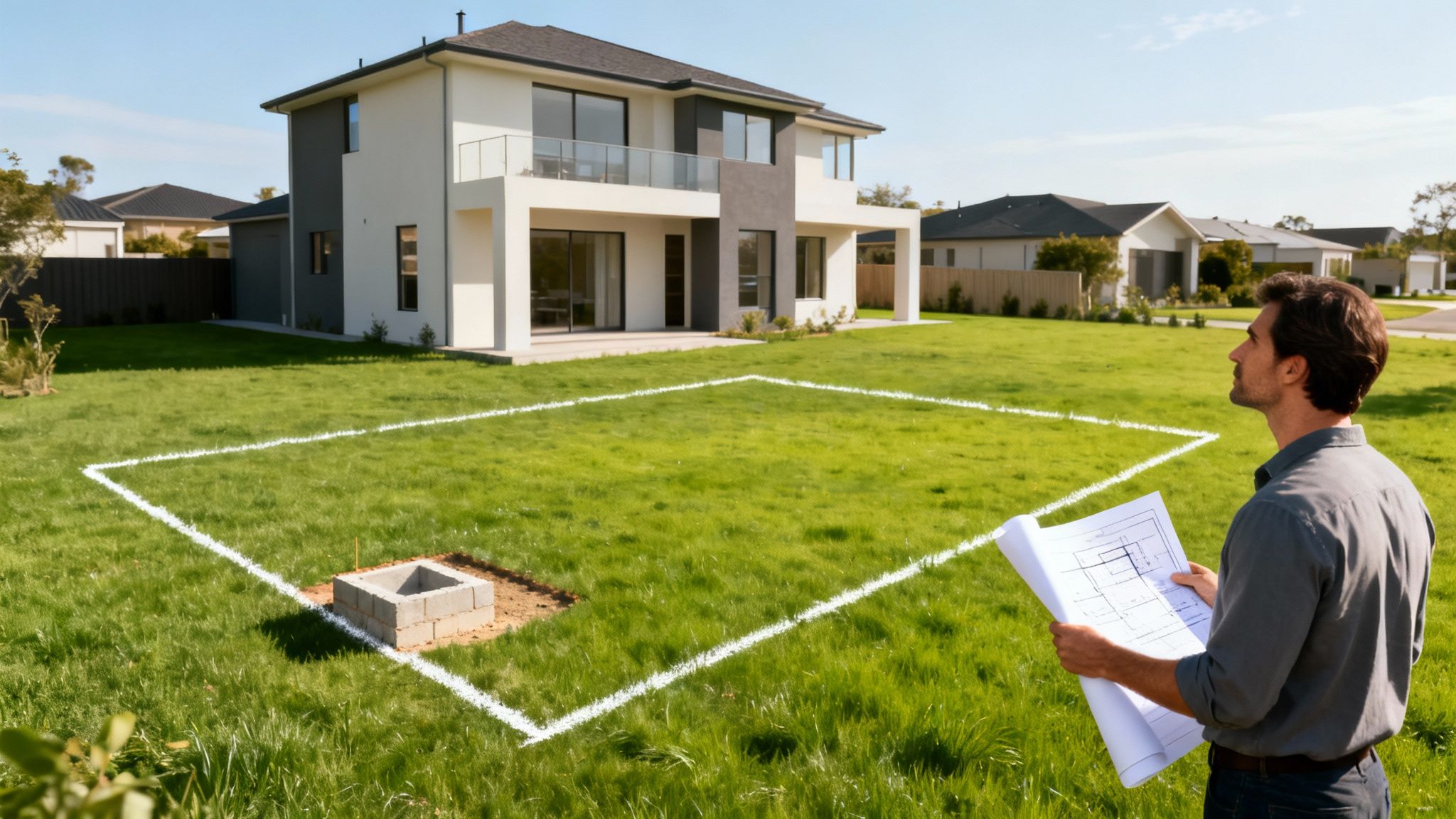

A zoning variance functions as a special authorization from your local authority which permits you to operate your property differently than what the current zoning regulations allow. The rule enforcement exception applies when the established regulations would result in an unfair burden because your property contains specific physical features which cannot be altered. The legal waiver stands as an official document which serves to uphold the law instead of providing a way to evade legal requirements.
The Purpose of a Zoning Variance
All towns and cities operate based on master plans which zoning codes function as their official rule system to establish these plans. The established rules protect residential areas by creating stable environments which prevent factories that produce loud noise from building their facilities near residential areas that need peace and quiet.
The property seems different from other properties but what should I do about it? Your property presents three major challenges because it exists on a steep slope and its narrow dimensions and contains a protected old-growth tree in the location where the driveway should be. The standard rulebook can present physical challenges which also create major barriers to following its guidelines.
A property owner who needs to prove that their land’s special physical features would lead to excessive difficulties from following zoning regulations can obtain a legal exception called zoning variance.
This is where a variance comes in. The city uses this system to recognize when your property needs a basic rule change because of its special situation.
Understanding the Basics
The concept of variances requires architects to understand the overall zoning system which architects need to understand. Community planning depends on zoning laws to establish its base structure while variances function as particular deviations which enable the system to operate in actual settings.
Most homeowners aren’t trying to change how their property is fundamentally used. Instead, they just need a little wiggle room on the physical layout. The majority of applications which make up about 60-70% fall under area variances.
The regulations define the physical building requirements which include:
- Building a deck a foot closer to the property line than the code allows.
- Installing a privacy fence that’s slightly taller than the ordinance permits.
- Positioning a garage in a specific spot because the odd shape of the lot makes the standard placement impossible.
The basic principles which support zoning variances become clear through this brief overview.
Key Zoning Variance Concepts at a Glance
| Concept | Simple Explanation |
|---|---|
| Zoning Ordinance | The official rulebook for land use in your city or town. |
| Undue Hardship | The core reason for a variance; proof that the rules cause a unique problem for your specific property. |
| Area Variance | An exception related to physical dimensions, like setbacks, height, or lot coverage. |
| Use Variance | A rarer exception allowing a property to be used for something not permitted in that zone (e.g., a small office in a residential area). |
| Conditions | The board can establish particular conditions to reduce the negative effects of an approved variance. |
The process of learning these essential terms starts now. A variance system provides legal protection which helps people who need special rules because the standard regulations do not apply to their unique property situations.
Area vs. Use Variances: What’s the Difference?
Zoning includes several types of exceptions which differ from one another. Your request will fall into one of two main categories when you need to bend the rules: an area variance or a use variance. You must find out which variant you require because this information determines the entire process complexity and cost and difficulty level.
An area variance functions as a request which enables you to modify the existing physical layout of your property. The property use remains the same although you can build differently than before. A use variance requires you to make a major change to the property usage.
Area Variance: The Most Common Request
The physical dimensions which zoning codes specify become the focus of area variance requests. You need one when your project doesn’t quite fit the specific rules for setbacks, height, or lot coverage. The three most common requests from homeowners lead to the simplest approval process.
Why? Because they typically have a minimal impact on the neighborhood.
Here are three actual situations which need area variances to proceed:
- Setback Adjustments: The only logical spot for your new garage is on a steep slope, but building there would put it two feet closer to the property line than the ordinance allows.
- Height Exceptions: You want to add a third-floor dormer for a new bedroom, but its peak would push the roofline just slightly over the zone’s maximum height limit.
- Lot Coverage: You’re planning a beautiful new stone patio, but that extra non-porous surface area would put you just 2% over the total lot coverage limit.
The residential character of your property should remain unchanged in every situation you handle. You need to get a small amount of flexibility because your property has specific characteristics which make it different from standard properties.
A use variance is a much bigger request. You want to obtain approval for property use which violates all current zoning rules that define the present land usage.
Use Variance: A Much Higher Hurdle
The process of obtaining a use variance stands as an entirely separate procedure from all other methods. This is where you ask for permission to use your property in a way that’s completely outside the rules for your zoning district. The process requires a full transformation which creates an extremely difficult process to obtain approval.
You want to start a quiet counseling practice which operates by appointment only in your home office but your neighborhood zoning only allows single-family homes. That requires a use variance.
The request faces strong opposition from zoning boards and neighbors. The project has the potential to alter community character through traffic increases and commercial business establishment and noise generation. Boards will grant only one if you can prove a genuine unique hardship which shows your property completely fails to serve any of its current zoning uses.
The situations become more difficult to manage because the previous owner made changes which they did not get permission to do. You should explore all available options when you encounter a challenging situation. Homeowners who need an immediate solution to their code violations should consider selling their property right away. The method provides a direct route to success which bypasses the long and uncertain process of obtaining a variance.
Your Step-by-Step Guide to the Variance Approval Process
The process of obtaining a zoning variance requires you to handle numerous documents and attend public meetings while you try to understand complex legal regulations. The process from application to decision follows a clear sequence which ensures equal treatment for all parties involved in the process. I want to explain it to you.
The first step in this process requires applicants to submit a Development Application which most people refer to as DA. The official beginning of the process occurs when you submit your request to the local council for project consideration. The Development Application (DA) process serves as the best initial point for people who want to start learning about this process. Your entire case will focus on proving you have an “unnecessary hardship” before you reach this stage.
Proving an Unnecessary Hardship
This legal phrase is the absolute heart of your application. An unnecessary hardship isn’t just an inconvenience, like wishing you had a better view. Your property contains special physical elements which make its current zoning designation unsuitable for regular use.
To prove your case you need to show the following about your hardship:
- Unique to Your Property: The problem which might include an unusual lot shape or a steep slope that cannot be developed must affect only your property and not the entire community.
- Not Self-Created: This is a big one. You must prove that you did not cause the problem which led to this situation. The board will recognize this situation as a self-inflicted injury because you failed to verify the rules before building your garage near the property boundary.
Your job is to convince the zoning board that without this small exception, the rules are unfairly preventing you from using your property like your neighbors can, all due to circumstances totally out of your control.
The infographic shows two main types of variances which users might need to request while displaying the fundamental differences between “area” and “use” variances.
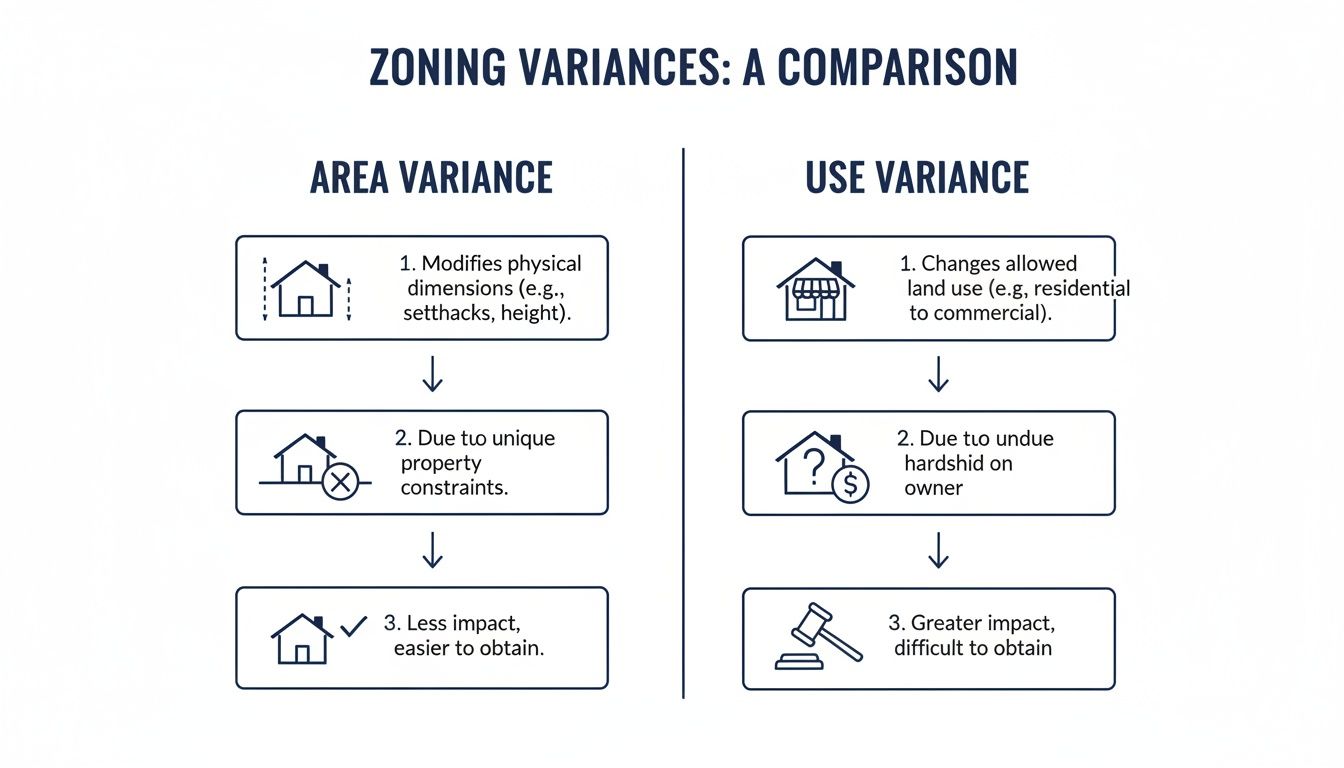
The physical dimensions of an area variance include elements such as setbacks and height restrictions. The process to obtain a use variance which changes property usage becomes more difficult and takes longer to get approval than other types of variances.
Key Milestones in the Application Journey
You can start the actual documentation process after you prove a genuine hardship. The process for obtaining permits includes several steps which towns follow through their standard approval process.
- Pre-Application Meeting: You can have an informal discussion with the town’s zoning staff during the Pre-Application Meeting. You need to demonstrate your concept to them while identifying possible problems right away and obtain a complete list of required documentation. This step provides vital information which helps you avoid major issues during the future process.
- Formal Application Submission: Here’s where you turn in the complete package. The application should include site plans and architectural drawings and property photos and a complete written description of your hardship and the required application fees.
- Public Notification: By law, your immediate neighbors have to be officially notified about your request. The process enables neighborhood members to either back your project or express their concerns about it.
- Public Hearing: This is your day in court, so to speak. The zoning board and board of appeals members will listen to your presentation of evidence about needed variances while you answer their questions and those from public attendees.
You bear the entire responsibility to prove your case. You must provide evidence which meets legal standards for competence and substance and relevance to convince the board.
The process requires applicants to overcome an extremely high standard which causes most applications to fail. Studies reveal that about 40-50% of initial variance requests get rejected during the first review. The most common reasons? Applicants simply fail to prove a unique hardship, or the board decides the problem was self-created. Homeowners who need to exit quickly and with certainty might investigate other methods when they face denial or complicated situations. A cash buyer purchase represents an option which enables sellers to avoid legal processes while they get an immediate sale.
How a Zoning Variance Can Impact Your Home’s Value
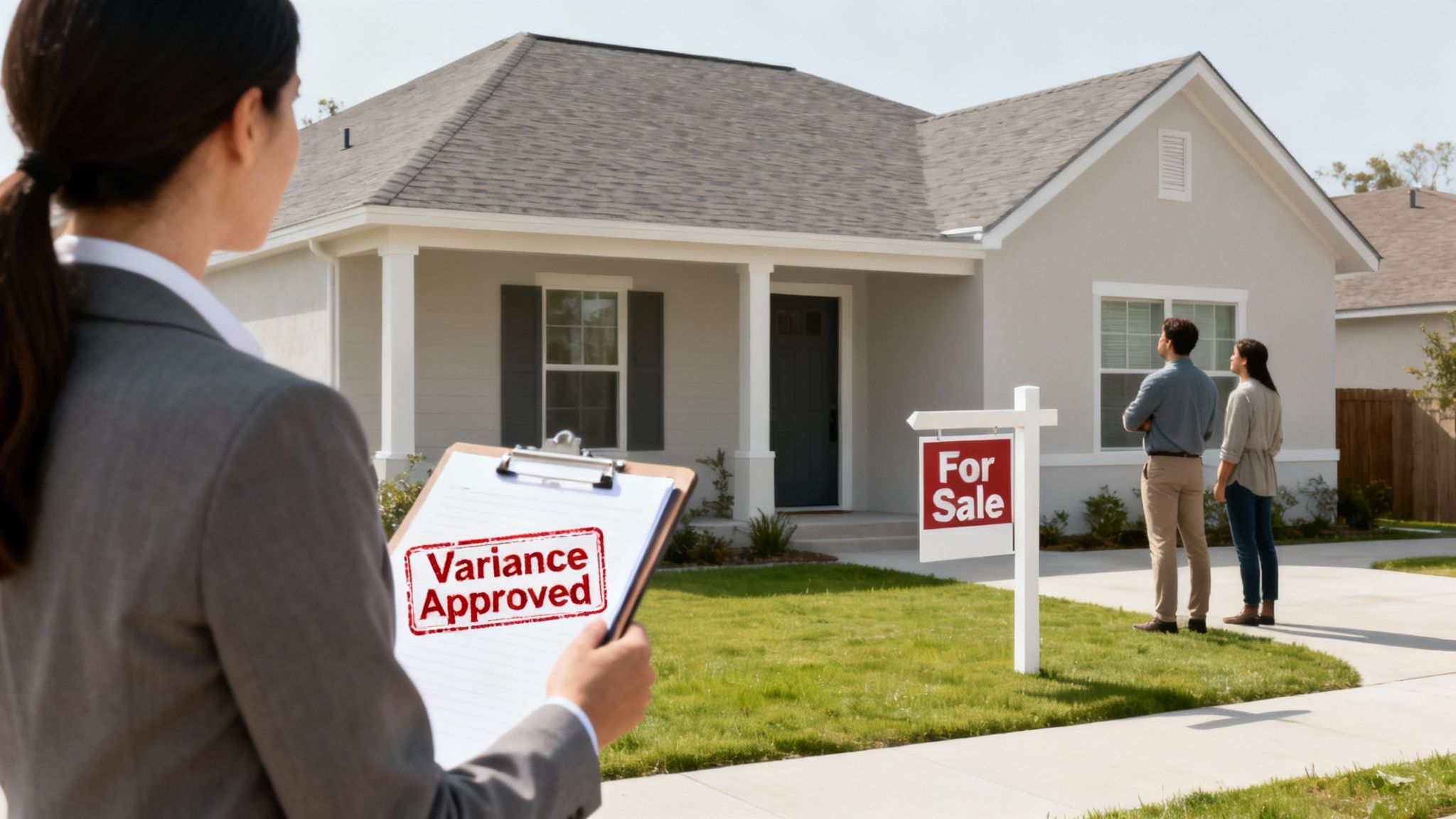
Your property value will either increase or decrease when you obtain a zoning variance. The answer to this question requires more than a simple yes or no response. The answer really hinges on what the variance is for. A smart, practical variance can be a huge value-add, but a quirky or unusual one can turn into a real headache when you try to sell.
An approved variance functions as an official document which makes any non-conforming home feature completely legal. The official status stands as a major asset.
When a Variance Adds Value
A variance which enables you to add features that buyers want to buy makes an excellent investment. The process enables you to access previously restricted potential which zoning rules had blocked. A suitable variance will enhance your home’s market appeal while boosting its final sale value.
The following examples show what a variance would allow you to do:
- Build an In-Law Suite: Adding a legal accessory dwelling unit (ADU) opens up possibilities for rental income or multi-generational living. Both are huge selling points in today’s market.
- Construct a Larger Garage: In a neighborhood where street parking is a nightmare, getting a variance for a two-car garage where only one was allowed is a game-changer for potential buyers.
- Add a Second Story: A variance that permits you to build up can literally double your square footage, dramatically increasing your property’s value.
The variance provides functional space which buyers find attractive because it follows established rules. The process creates actual value which exists in the physical world. You need to understand how these changes affect your financial situation because we offer a complete guide which explains real estate equity.
Potential Downsides and Selling Hurdles
But not all variances are created equal. An unconventional variance might solve a very specific problem for you, but it could make your property a tough sell down the road. Lenders become cautious when they need to finance unusual properties which creates major obstacles for buyers who use traditional mortgage financing.
You must disclose all known zoning variances during the sale process. The required transparency levels will reduce the number of buyers who want to purchase the property because of the existing zoning problem.
The complex zoning history of a property causes traditional buyers and their mortgage lenders to become uneasy. The process limits your potential buyers to a small group which mainly consists of cash buyers who understand how to handle these situations.
You need to sell within a short time frame so this situation becomes extremely important. Unusual properties tend to stay listed for many months which creates problems for people who want to move forward with their plans.
What Are Your Options When Facing a Zoning Issue?
Your property blocks you from finding any zoning issues which seem like running into a solid wall. The situation creates high levels of stress while people feel lost in confusion and trapped with no way out. But you’re not stuck.
You actually have a few different ways to handle this. Time and financial expenses and emotional stress will differ between these three paths of action. The decision for the right solution depends on your particular circumstances which include your objectives and available funds and required solution speed.
Option 1: Apply for a Variance
The most “by the book” approach is to ask the city for permission to keep things as they are by applying for a zoning variance. Think of it as formally requesting an exception to the rule for your specific property.
You have solved the problem permanently if your solution works correctly. A successful variance which legalizes desirable features such as rental units or expanded garages will increase the value of your property. The big catch? It’s often a long, expensive, and uncertain gamble. The process would take several months while you attend public hearings and pay for expert assistance but the board could still reject your application.
Option 2: Correct the Violation
You have two options to solve this problem. The procedure requires you to eliminate or modify all components which violate the zoning code. The solution requires you to cut back a fence which exceeds height limits by a few inches or to remove an unauthorized deck or addition.
The process provides you with clear results. The zoning problem will disappear permanently once the correction receives approval. The major downside is the potential cost. The required work could result in a major construction expense which would transform your administrative challenges into a major financial obligation.
Option 3: Sell the Property As-Is
Homeowners can use the third method to exit their property quickly without dealing with any problems. This means you sell the property exactly as it stands, zoning problem and all. You transfer the issue to a new owner who possesses both the necessary funds and expertise to solve the problem.
This method serves as an ideal solution for people who lack time and money and energy to complete the variance process or expensive repairs. Selling to a cash buyer is the quickest way to do this, since they specialize in properties with these kinds of complications. You don’t have to fix a thing.
Our guide on how to sell my house as-is provides homeowners who need to move quickly or want to avoid delays with an easy-to-follow process. You can get a guaranteed sale on your schedule while receiving cash with no zoning problems.
Comparing Your Choices When Facing a Zoning Violation
The right choice becomes difficult to make when you experience high levels of stress. The table shows what you should expect from each solution regarding time requirements and financial expenses and results.
| Option | Typical Timeline | Estimated Cost | Best For… |
|---|---|---|---|
| Apply for a Variance | 3–12+ months | $1,500–$15,000+ (fees, surveys, legal help) | Homeowners who plan to stay long-term and have the time and funds to see the process through, with no guarantee of success. |
| Correct the Violation | 1–4 months | $500–$50,000+ (depending on the fix) | Homeowners who want a permanent, guaranteed solution and can afford the immediate construction and labor costs. |
| Sell As-Is to a Cash Buyer | 7–14 days | $0 (no repairs or fees) | Homeowners needing a fast, certain sale without investing more time or money into the property. |
Your choice for the best solution depends on what you value most between future potential value and a permanent solution at a high price and quick and guaranteed sale of your property.
Common Questions About Zoning Variances
The process map does not answer all questions which people have about how zoning variances affect property value and money matters. Let’s dig into some of the most common “what if” scenarios that pop up when homeowners are staring down a zoning issue.
People ask these questions to understand real-world situations when they need to plan projects or fix existing problems.
Can I Get a Variance for Something I Already Built?
You can seek a “retroactive” variance for decks and sheds and additions which you constructed without obtaining proper authorization. But be warned: this is a dicey path to take.
You have to satisfy the same legal requirements which apply to all applicants by showing that your property contains a special physical condition which requires the variance. The main problem arises because zoning boards tend to consider this situation as a problem which you created yourself. The building process you followed before obtaining permission has caused them to doubt your entire situation.
They will confirm their approval of your request through their final decision. The board will order you to remove the entire building at your personal expense if they reject your application. It’s always, always safer to get the green light before a single nail is hammered.
What’s a Variance vs. a Special Use Permit?
They sound similar, but they operate in completely different ways. A variance allows you to modify a rule which affects all residents while a special use permit enables you to conduct activities which the town has already designated for specific areas.
- A variance allows you to break a zoning rule which restricts building distances from property lines because your land has unique characteristics that make the rule unfair to enforce.
- A special use permit (sometimes called a conditional use permit) allows a specific type of activity in a zone where it isn’t automatically permitted, but isn’t outright banned either.
A small daycare located in a residential neighborhood serves as an example of this situation. The town’s rules might say, “Daycares are okay here, if they meet certain conditions,” like having enough off-street parking for parents and operating only during specific hours. The permit simply confirms you meet those pre-set conditions.
The key takeaway: A variance is for something normally forbidden, granted only because of a hardship. A special use permit is for something the town has already agreed to allow, as long as you follow their playbook.
Should I Hire a Lawyer to Get a Variance?
The law permits you to act as your own legal representative but this approach becomes risky when your case exceeds basic situations. For anything more complex, hiring an attorney who specializes in land use and zoning law is a very smart move.
These lawyers work at full capacity to handle this matter. They understand the particular legal terminology which zoning board members find persuasive when making their decisions.
An experienced zoning attorney can:
- Help you build a compelling case around the “unnecessary hardship” standard.
- Put together a polished, professional application that anticipates the board’s questions.
- Represent you with confidence at the public hearing.
An expert investment at the beginning of the process will improve your chances of receiving the required approval.
What Happens If My Variance Request Is Denied?
A denial stings, but it doesn’t have to be the final word. You usually have a few paths forward. You should first read the board’s written denial letter to understand their specific reasons for rejecting your application.
You need to modify your project based on their feedback before you can submit your application again. Most towns also have a formal appeal process, allowing you to take your case to a higher body, like a county board or even court. Of course, you can always scrap the project. For many homeowners who can’t afford more delays or expenses, the most practical solution is selling the property as-is to a buyer who has the resources to deal with the zoning problem.
The FAQ section on this website will help you find answers to common questions about selling your house when dealing with complex property situations.
You have several alternatives to deal with your difficult zoning problem. The process of obtaining a variance serves as a solution but requires users to spend excessive time and money for its completion. Eagle Cash Buyers offers homeowners a fast and certain solution through its cash buying process. We buy houses as-is, including those with zoning complications. You can receive a fair cash offer without any obligations while closing at your preferred time because you don’t need to make repairs or deal with legal issues. Learn more about our simple process at https://www.eaglecashbuyers.com.