Sell Your House Fast in Raleigh, NC. From Five Points Bungalows to North Raleigh Subdivisions.
A 1920s bungalow near Five Points, a rental on a street you no longer want to manage, a house in Wake County you inherited or were transferred away from. We buy it as it stands, send a written offer within one business day and let you choose the closing date.
- ✓ Cash offer within one business day
- ✓ Your closing date, your choice
- ✓ No agent commission to you
- ✓ We buy as-is
- ✓ Closing through a North Carolina attorney or title company
Prefer to talk first? Call us at (833) 330-1625
Selling in Raleigh or Wake County? Tell us the address and your timeline.
Written offer within one business day. No obligation.
Your information is kept private and never sold to third parties.


Eagle Cash Buyers pays cash for houses in Raleigh, North Carolina, in whatever condition they are in. Send the address and a written offer comes back within one business day. You repair nothing first, and on a direct sale to us you pay no agent commission. Most sales close in 21 to 42 days through a licensed North Carolina closing attorney, on a date you choose, so a longer timeline is fine if you need one.
What People Say About Working With Us
Kelly and the remainder of the team worked as swiftly as possible to assist me in my property. Would recommend.
I had fallen behind on my mortgage and was in the pre foreclosure stage. The property was in a completely different state from where I lived. Eagle Cash Buyers completely saved my peace of mind and sanity. From the initial contact throughout the entire process they, especially Kelly, have been nothing but professional and informative.
Excellent, amazing group, JP is first class. I would recommend Eagle cash buyers anytime.
I have worked with Eagle Cash Buyers on several deals both personal and investments. They work well with swiftness and professionalism. Their team is friendly and easy to work with!
4.5 from 40 reviews on Google · more reviews · read them all on Google
Hear It From Sellers
Sellers we bought from, in their own words. Under a minute and a half.
Who You Are Dealing With
- 43 states, North Carolina among them. We are not a one-county operator and not a lead broker who sells your details on.
- 4.5 stars across 40 Google reviews. Not all of them are five stars. You can read them yourself before you call.
- A named company with a named founder. Who we are, and Oren Sofrin, who founded and runs it.
- Closings handled through a North Carolina attorney or title company. Settlement happens the way any North Carolina sale does, with a recorded deed.
- No obligation. An offer is an offer. Turn it down and nothing happens.
Raleigh Homeowners We Help
No two Raleigh sales begin the same way. One owner has a bungalow from the 1920s that a buyer's inspector would go through room by room. Another rents out a house in Wake County and is done being a landlord, and a third has just been told to move for work before the house is sold. The cards below show how each runs, and selling for cash in North Carolina explains the state-wide picture.
An Older House Close to Downtown
Close-in Raleigh neighborhoods such as Oakwood, Boylan Heights and Roanoke Park were largely built from the late 1800s through the 1920s, with some houses added later. A buyer's inspector goes through a house that age looking at the wiring, plumbing, roof and foundation. We price the work it needs into our offer, so you do not have to repair or stage anything before you sell.
Related guide: How to Sell a House As Is
A Rental With a Tenant in Place
You do not have to wait out a lease or ask a tenant to leave. We buy occupied houses, and a valid lease and the tenant's rights generally pass to the buyer at closing: us, or the investor or purchasing entity named in the agreement. A North Carolina attorney can confirm how that applies to your lease. Tell us the rent, any deposit you hold and the lease end date, and we build that into the offer.
Related guide: Selling a Rental Property With Tenants
Inherited a Raleigh House
Heirs often live in another state and face a house still full of a parent's belongings. We buy inherited houses with the contents inside, so you take what matters and leave the rest. Someone must hold the legal authority to sign the deed before a sale can close, and a North Carolina estate attorney can tell you what that takes in your family's case.
Related guide: How to Sell an Inherited House
Behind on the Mortgage
A foreclosure runs on a schedule, and the notices you have received show where you are on it. A HUD-approved counselor or a North Carolina attorney can walk you through your options. If a sale closes in time and the price covers the lender's payoff and whatever else is owed on the house, the loan is generally paid at closing; if it falls short, the lender has to approve accepting less in writing. Call early and bring every notice. At Eagle, we can help only if there are at least 3 weeks before the auction date and you can send paperwork quickly and help the title company close fast.
Related guide: How to Sell Your House Fast Before Foreclosure
Work Done Without a Permit
An addition, a finished basement or a deck built without a permit can slow a sale to a buyer who needs a mortgage, because some lenders and appraisers will question it. We look at the house as it stands and allow for what sorting it out might involve. Tell us what you know about the work early, and Raleigh's permitting staff or a licensed contractor can say what it would take to bring it into order.
Moving for a New Job
A transfer notice sets a date, and a house takes as long as it takes. If your move-out date and a buyer's timeline do not match, a sale to us lets you pick the closing day, which can keep the time you carry two housing costs short. The closing attorney can often send a mobile notary or mail the papers to your new city, and your proceeds are wired to you after the deed is recorded.
Related guide: Selling Your Home Before a Job Relocation
Tell us about the property and you will hear back within one business day. Send it on a weekend and that means the next business day. There is no pressure either way.
Get My Cash OfferWhat the Numbers Actually Look Like - Cash Sale vs. Listing vs. Instant-Offer Programs
Sellers in Raleigh are right to ask about the net rather than the headline offer price. On a typical listing, agent commission, closing costs, the North Carolina Excise Tax and repairs can all come out before you see a dollar. Here is how the three paths compare.
| Cost or Factor | Eagle Cash Buyers (Cash Sale) | Traditional Listing (Agent) | Instant-Offer Program (iBuyer) |
|---|---|---|---|
| Agent Commission | None - $0 | Negotiable, not fixed. For illustration only, a typical 5% to 6% commission on a $428,700 sale is about $21,400 to $25,700 | Usually none, though a service fee often applies |
| Repairs Before Sale | None - we buy as-is | Often paid by you before listing, or given back in price, and buyers' inspections often ask for more | Often deductions for repairs after the inspection |
| North Carolina Excise Tax | Charged when the deed is recorded; customarily the seller's. Your share is paid from your proceeds, as set out in the purchase agreement and shown on your settlement statement | The same tax applies | The same tax applies |
| Seller Closing Costs | We pay the closing costs, except your share of any transfer tax. Your mortgage payoff, any liens and prorated property taxes are paid from the sale proceeds. | Title, recording and closing fees, plus prorations; amounts vary by contract | A service fee set by each platform |
| Days to Close | Most close in 21 to 42 days, or later if you need more time; you pick the date | Weeks on the market, then weeks more to close, and a financed buyer's loan can still fall through | Set by each platform, and instant-offer programs buy only in some areas |
| Showings and Inspections | No public showings. Walkthroughs and any reinspection are as set out in the agreement | Multiple showings, buyer inspection, possible renegotiation after inspection | Usually a company inspection, often with repair deductions |
| Financing Contingency Risk | No buyer mortgage contingency. Other contract terms still apply | Buyer financing can fall through weeks into the process | Low risk, but platform rules apply |
| Condition Required | We buy as-is - no updates needed | Buyers and agents expect move-in or near-move-in condition for top dollar | Varies - iBuyers often exclude significant distress |
Your actual net depends on your loan payoff, prorations and contract terms. We walk through it with you before you sign anything. Instant-offer terms vary by company and change often.
Skip the listing process. Close on your schedule, in Raleigh, with no agent commission and the closing costs covered, apart from your share of any transfer tax.
See What We'd PayAn Example From a Real Call
One seller's family member called several cash buyers to compare offers. Our acquisition manager walked through how our number is built: an estimate of the house's market value, less the repair work it needs, less what it costs us to resell it, less a margin for the company. The caller pushed back on the figure and planned to have a local real estate agent check the math, which is what we would encourage any seller to do.
Three Steps, From First Call to Closing
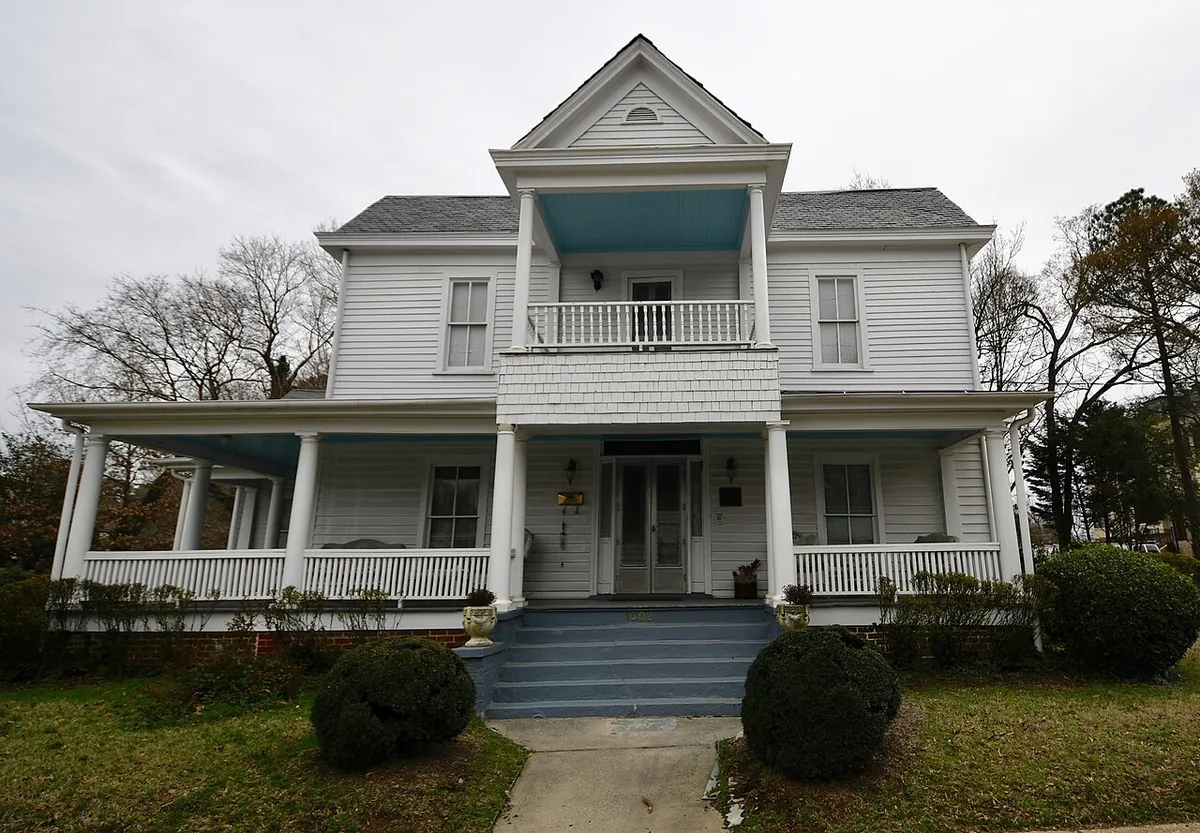
Sellers ask whether a cash sale is complicated. Usually it is not: we work with North Carolina attorneys and title companies who coordinate the paperwork, and you sign in person or remotely, as the closing attorney or title company arranges. Here is how it runs.
Tell Us About Your Property
Call us at (833) 330-1625 or fill out the form on this page. We ask a few basic questions: the address, the condition and your situation. No obligation, no hard pitch. Tell us what you know about the roof, plumbing, foundation and any past damage. See how our closing process works, start to finish.
Receive Your Cash Offer Within One Business Day
We look at the property, recent comparable sales in Raleigh, and the repair costs, which we take off the price rather than asking you to do the work. You get a written cash offer with no agent commission. It shows the price, the contingencies and your estimated net before you sign. To weigh it against a traditional sale, our North Carolina page sets out what a listing costs.
Pick Your Closing Date and Get Paid
Once you accept, we open title with the closing attorney or title company, who handles the title search, the loan payoff and the closing paperwork. The North Carolina Excise Tax and every other cost are shown on your settlement statement before closing. Most sales close in 21 to 42 days, depending on when the title work clears, or later if you need more time; you pick the date. Anything that could change the price after we agree is written into the agreement, so you can see it before you sign.
Raleigh Housing Market - What the Numbers Say
Zillow's Home Value Index put the typical Raleigh home at $428,700 in August 2026, 1.7% lower than a year earlier. The index has slipped a little every month over the past year, a slow drift rather than a sudden drop. A citywide figure blends renovated houses with ones that still have their original kitchens, so it says little about what one particular house will bring.
When prices ease, buyers stop feeling rushed. They set your house beside the updated ones nearby, and once the inspection report comes back they often ask for repairs or a lower price. A Raleigh house with an aging roof, older wiring or a settling foundation can sit while those requests pile up.
Financing adds another step. A buyer using an FHA or VA loan brings an appraiser who checks the house against the program's minimum property standards, and a worn-out roof, peeling paint or a missing handrail can hold up the loan until it is fixed. A cash offer with no buyer mortgage skips the lender's appraisal. You see the number, the terms and the date in writing before you sign.
Source: Zillow Home Value Index, August 2026. The figures describe Raleigh as a whole and do not set the value of any one house.
How to Check Out Any Cash Buyer in Raleigh
These questions apply to us too. Any buyer should answer them plainly.
- Ask for proof of funds. A real buyer can show a bank letter or statement quickly. Ask us the same question. If we assign the contract, ask the closing buyer for theirs too.
- Ask whether they intend to assign the contract. Our answer: Eagle may purchase the property itself or, if the purchase agreement permits, assign its contractual rights to another investor or purchasing entity. Any assignment right is stated in the agreement before you sign. Assignment itself is not the problem. What matters is whether the right to assign is disclosed, whether the buyer stays accountable under the agreement, and whether the closing structure and deadlines are clear before you sign. Ask any buyer to put those terms in writing.
- Never pay anything up front. No application fee, no inspection fee, no processing fee. If money is moving from you to the buyer before closing, stop.
- Look the company up. Search the buyer's name in the business registry of the state where it was formed, and check that it is active. Eagle Cash Buyers, LLC is registered in Ohio.
- Get the whole offer in writing before you sign, including who pays closing costs and what happens if the buyer walks.
Where We Buy Houses in Raleigh and Wake County
We buy across Raleigh and throughout Wake County, from the bungalow streets around Oakwood, Boylan Heights and Five Points to Mordecai Place, North Hills and the planned communities in the north. If your house is in 27604, 27609, 27612 or any other Raleigh ZIP code, send us the address.
Neighborhoods and areas in Raleigh
Historic Oakwood
Historic Oakwood, close to the State Capitol, has been a National Register historic district since 1974 and covers about 190 acres. Its houses run from Second Empire and Queen Anne styles to later bungalows and Foursquares, and the neighborhood grew lot by lot rather than in platted sections, so one block can hold several eras. With that much variety, we price your house from its own condition and recent sales nearby, not from the age of the street.
Boylan Heights
Lots in the Boylan estate were sold from 1907 and building continued through the late 1920s along curving streets that follow hilly ground. Boylan Avenue has transitional Queen Anne and Colonial Revival houses, Dutch Colonials and Foursquares, while Craftsman bungalows fill most of the secondary streets. With several styles and sizes on neighboring streets, we price your house from its own condition and recent nearby sales, not from the age of the street.
Hayes Barton
Hayes Barton is one of the neighborhoods around the Five Points intersection of Glenwood Avenue with Fairview and Whitaker Mill Roads. It was laid out in the early twentieth century by landscape architect Earle Sumner Draper, and its National Register district, listed in 2002, holds 457 contributing buildings in Colonial Revival and Classical Revival styles. Sizes and updates vary widely from house to house, so the offer follows what your house needs today.
Roanoke Park
Roanoke Park sits southeast of the Five Points intersection. Six plats were filed between 1913 and 1926, and the National Register district, listed in 2003, has 446 contributing buildings. Its houses include Triple-A cottages, bungalows, shotgun houses, Foursquares and Minimal Traditional homes, mostly on narrow, deep lots. If yours is one of the smaller older houses here, you can sell it without doing any work first.
Mordecai Place
Beginning in 1916, the Mordecai family sold parts of its land for houses, and developer Dan Allen laid out a larger parcel in 1922 on a modified grid that follows the terrain. The district's styles include Colonial Revival, Craftsman bungalows and Tudor Revival, with Cape Cods and Minimal Traditional houses added later. Its 1785 Mordecai House, now a public museum, is a landmark, not a home for sale. For your own house here, the offer rests on its condition and recent nearby sales.
North Hills
North Hills grew from a shopping mall that opened in 1960, and its redevelopment as a mixed-use district opened in 2004 under the name Raleigh's Midtown. Today the district is mostly shops, offices and apartments, with newer residential towers, so it is not mainly a place of single-family houses. If you own a house, condo or townhome nearby, send us the address and the type of home and we will tell you whether we can make an offer.
Wakefield Plantation
Wakefield Plantation is a planned community in north Raleigh beside Falls Lake, built around an 18-hole Hale Irwin golf course that opened in 2000. Homes in a planned community are often part of an owners' association. If yours is, tell us early about any dues or association balance so it can be worked into the agreement.
Neighborhood details are drawn from public sources, including en.wikipedia.org and raleighnc.gov. Conditions vary from house to house.
Main ZIP codes: 27601, 27604, 27605, 27606, 27607, 27608, 27609, 27610, 27612, 27613, 27614, 27615, 27616, 27617
We also buy in nearby communities
Ready to Sell Your Raleigh Home - Without the Commission or the Repairs?
We buy as-is for cash in Raleigh, from Oakwood and Boylan Heights to Five Points and north Raleigh, and across Wake County, so there is nothing to fix or clean up first. There are no repairs to schedule, no agent commission and no buyer mortgage contingency. You get a written offer within one business day and a closing date you choose, handled through a North Carolina attorney or title company.
We buy houses in Raleigh, NC and throughout Wake County. Cash offer within one business day. Most sales close in 21 to 42 days, or later if you need more time. No obligation to accept.
North Carolina and Wake County Seller Questions
Attorney Closings, Older Houses and Wake County Values: What Raleigh Sellers Ask
Closing with a North Carolina attorney, tax values and the 2027 revaluation, unpermitted work, inherited houses and moving for a job, answered briefly.
Who handles a North Carolina closing, and do I need my own attorney?
In North Carolina a licensed attorney normally handles the closing. The attorney searches the title, pays off your mortgage and anything else that has to be cleared when the price covers it, sends you what is left and records the deed with the Wake County Register of Deeds. You may bring in your own attorney at any point, which is worth doing for an estate, a foreclosure or a title dispute. Most of our closings land between 21 and 42 days, and you choose the date.
Can selling my Raleigh house to you stop a foreclosure?
A sale may help avoid a foreclosure sale if it closes in time and the proceeds are enough to satisfy the required payoff, or if the lender gives written approval to accept less. In North Carolina, a foreclosure generally proceeds by a sale under the deed of trust after a hearing before the clerk of court. We cannot promise to stop or postpone a foreclosure; that depends on the lender or servicer, the clerk of court and the trustee, the timing and whether the transaction closes. Contact us as early as possible and bring every notice you have so we can usually tell you whether our expected timeline appears workable. A HUD-approved housing counselor or an attorney licensed in North Carolina can explain your legal options and deadlines. At Eagle, we can help only if there are at least 3 weeks before the auction date and you can send paperwork quickly and help the title company close fast. Our North Carolina page explains how the foreclosure process generally works in the state.
How do you work out a cash offer on a Raleigh house?
We estimate what the house would be worth, using recent sales of similar homes nearby, then subtract the cost of the work it needs, what it costs us to resell it, and a margin for the company. That is why a cash offer can land below an online estimate, which usually cannot see the condition of your roof or kitchen. The written offer shows the price, the terms and what you would likely take home. You are free to turn it down.
Does the Wake County revaluation change what a cash buyer will pay?
Not directly. Wake County's current tax values come from the revaluation that took effect January 1, 2024, and the next one takes effect January 1, 2027, with new notices mailed that January. The county sets a tax value to prepare tax bills, and buyers price a house above or below it depending on the market. We base our offer on your house's condition and recent sales of similar homes nearby, and the written offer shows how we got there.
Do I still have to make disclosures if I sell my Raleigh house as-is?
Selling a property as-is does not automatically eliminate disclosure obligations under applicable federal, state or local law. Tell us what you know about the roof, plumbing, electrical system, foundation, environmental conditions and any past damage or repairs so we can evaluate the property accurately and address known issues in writing before you sign. A real estate attorney licensed in North Carolina can confirm which disclosures apply.
Do I have to go through probate before I can sell an inherited house in Raleigh?
It depends on how title was held and North Carolina law. Property held in the deceased owner's name alone may require probate or another estate procedure before anyone has authority to sign a deed. Property held in a trust or with survivorship rights may pass outside probate. A probate or estate attorney licensed in North Carolina should confirm who has authority and which procedure applies. We can evaluate the property and make an offer while that is being established, but we cannot close until someone has legal authority to sign.
Can I sell my Raleigh house with a lien or back taxes on it?
Often, yes. Delinquent property taxes and many recorded liens can be paid from the sale proceeds at closing, provided there is enough equity and the required payoff or release can be obtained. The title search or other closing review will identify items that must be paid, released or otherwise resolved. A disputed lien, an unavailable payoff or debts exceeding the available proceeds can delay or prevent closing unless the issue is resolved or the creditor agrees to another arrangement. Tell us what you know upfront so the closing professional can investigate it early.
I have a tenant in my Raleigh rental. Can you still buy it?
Yes. We buy occupied houses, whether the lease has months left or the tenant is month to month. A valid lease and the tenant's rights generally pass to the buyer at closing, which is us or the party we assign the contract to, and the agreement says which. Give us the rent, any deposit you hold and the lease end date on the first call, and a North Carolina attorney can confirm how it applies to yours.
Do you buy in every part of Raleigh?
Yes. We buy in Oakwood, Boylan Heights, Five Points and Mordecai Place, around North Hills, in the planned communities of north Raleigh, and in every other part of the city and Wake County. Where the house sits affects the price, not whether we will look at it.
My Raleigh house has an unpermitted addition. Will you still make an offer?
Yes, we can. Lenders and appraisers sometimes question unpermitted square footage, which is why a buyer who needs a mortgage may walk away. We can make an offer on the house as it stands, with the possible cost of sorting out the work allowed for. Mention it on the first call; Raleigh's permitting staff or a licensed contractor can say what getting it permitted would take.
Do you buy mobile or manufactured homes in Raleigh?
Yes, when the land comes with it. If you own both the manufactured home and the lot it sits on, in Raleigh or elsewhere in Wake County, we can make one offer for the two together. A mobile home in a park or on a lot you rent is not something we buy.
How is selling to you different from selling to an iBuyer?
iBuyers tend to focus on newer houses in good condition and take repair costs off the price after their own inspection. We also buy older houses and ones that need work, and the written offer shows what we will pay before you sign. The comparison table on this page sets both next to a traditional listing.
I was transferred for work. Can I sell on my own schedule?
Usually, yes. You pick the closing date, so it can follow your move-out and start dates instead of a buyer's financing timeline. Most of our closings land between 21 and 42 days, and a later date is fine if you need one. Compare the written offer with any relocation buyout your employer provides before you decide.
Are house prices dropping in Raleigh?
Slightly. Zillow's Home Value Index for Raleigh was 1.7% lower in August 2026 than a year earlier, and it has slipped every month over the past year. For your sale, how your house compares with the updated ones nearby matters more than the citywide trend.
How much money will I actually walk away with?
The offer price, less your loan payoff, any liens or back taxes, and your share of prorated property taxes and any transfer tax that falls to you. You pay no agent commission on a direct sale to us, and we pay the closing costs, apart from your share of any transfer tax. The closing attorney prepares a settlement statement showing every line before you sign.
Who is Eagle Cash Buyers?
Homeowners in 43 states, North Carolina among them, can request a written cash offer from Eagle Cash Buyers, LLC. We are BBB accredited and hold 4.5 stars from 40 Google reviews, not all of them five stars. We either buy the house ourselves or assign our contract to another investor or purchasing entity, and the agreement states that right before you sign.
Who pays closing costs when I sell my Raleigh house to you?
We pay the closing costs on a sale to us, except your share of any transfer tax, and the purchase agreement sets this out. Eagle does not charge you an agent commission on a direct sale to us. Your mortgage payoff and any liens, delinquent taxes, HOA or association balances, agreed prorations and other seller obligations are deducted from your proceeds when applicable. The closing professional provides a settlement statement showing the charges and credits before closing. Transfer, deed, conveyance or similar taxes vary by state and locality. For a sale in Raleigh: charged when the deed is recorded; customarily the seller's, subject to the purchase agreement.
Eagle Cash Buyers is not a law firm, title company or tax advisor. This information is general and is not legal, title or tax advice. Laws, procedures and transaction costs vary by state and locality, and the purchase agreement and closing documents control each transaction.