


Quick Answer: A cash sale requires buyers to pay for title insurance and escrow fees as well as recording expenses and transfer taxes while sellers cover agent commissions and some of the escrow or transfer taxes.
Who Pays Closing Costs in a Cash Sale?
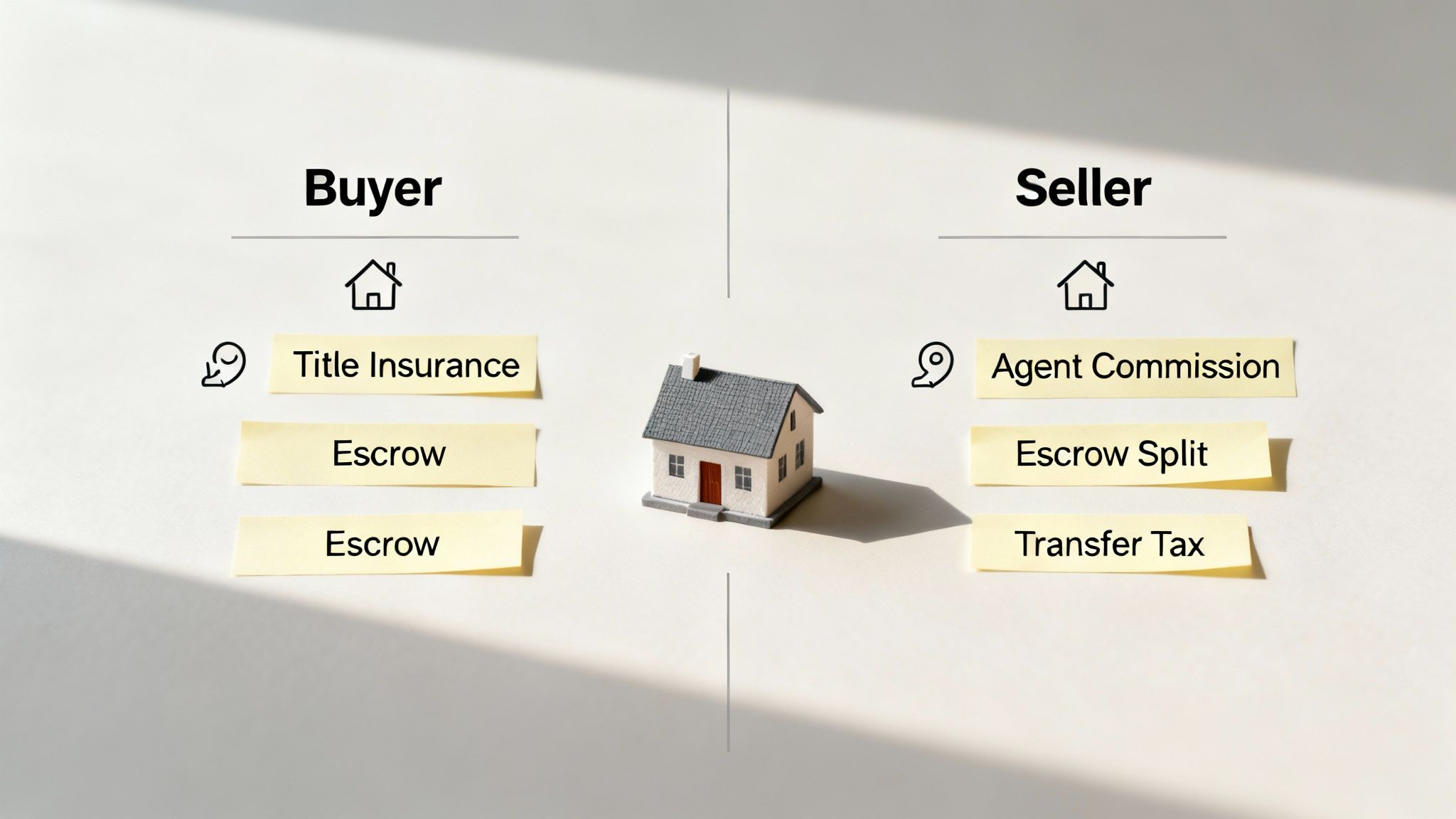
Cash sales have a long-established procedure when it comes to closing payments. A buyer is obliged to cover title insurance, the escrow, and recording expenses. Paying transfer taxes is usually a buyer’s responsibility. A seller, in their turn, is in charge of paying the agent commission and their portion of escrow fees and transfer taxes. Still, the costs may be shared differently, and this page explains the main factors that affect the entire process.
Cash Sale Tradition: How Parties Pay the Closing Costs
Take any location, and there’ll be common rules for how to share costs in a cash sale. Although these guidelines are solely recommendations, in most cases, parties stick to the following protocol:
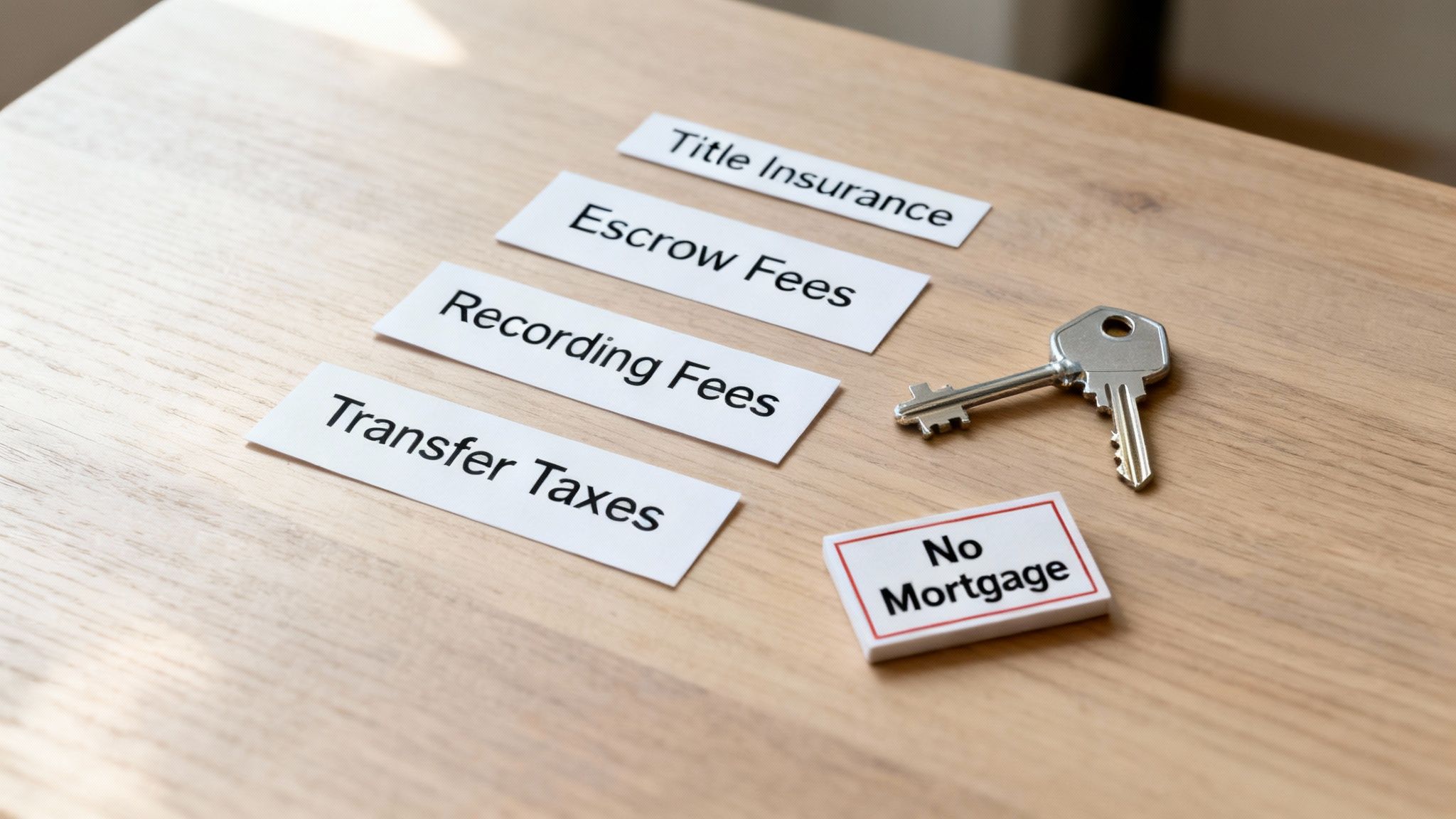
- Buyer’s costs include transfer taxes, title insurance, fees to the escrow agent, and the recording charge.
- Seller’s costs are limited to agent commissions, but sometimes, they may include a specific part of the escrow and transfer taxes.
An alternative way is the Eagle Quick for Cash solution. To speed up and secure the closing deal, the buyer undertakes the seller’s expenses, together with their own. In this.
Understanding Closing Costs in a Cash Sale
The key benefits of selling property for cash include reduced costs and faster completion. Here, the sale goes without common lender expenses, such as fees for loan origination, underwriting, and appraisal. You move straight to the essential payments:
- Title Insurance – A protective measure for the seller and the buyer in the case of a title defect or another problem with the ownership.
- Escrow – Fees paid to a neutral third party that temporarily holds the documents and funds.
- Recording Fees – Costs for the official paperwork recording paid to the local county office.
- Transfer Taxes – A fixed fee or a specific percentage of the sale price.
- Real Estate Agent Commissions – 5-6% of the selling price paid by the seller.
The seller and the buyer may divide these expenses to simplify the transaction.
Average Closing Costs Insights
To complete cash sales across the US, buyers spend about 1.06% of the price, and average costs are up to $4,661. However, closing expenses in Texas and New York tend to unsettle this scheme:
Area: | Average Costs: | Closing Costs %: |
Nationwide | $4,661 | 1.06% |
Texas | $4,548 | 1.50% |
New York | $16,849 | 3.10% |
Knowing the exact charges is your top priority. Make sure that you understand all the fees. This clarity will help you conduct the entire cash sale with confidence.
Another reason to examine the preliminary closing papers is that you’ll be able to exclude unnecessary payments. At least you’ll avoid surprises and have a clear view of regional cost differences.
Splitting Closing Costs Between Buyer & Seller
In a cash sale, both the seller and the buyer should understand their closing costs. Whether the parties prefer to deal in accordance with the traditional scheme or have an alternative approach, the split should be precise and clear for each of them.
Negotiation & Local Customs
Normally, the party that files the documents pays recording fees for deeds or lien releases. The cost differs dramatically, depending on the recording office from one county to another. The same is true for transfer taxes and notary fees. Who will pay for what is usually determined in the agreement – the small print you should study immediately.
For instance, in Texas, all transfer taxes are paid by the buyer, while the seller is usually in charge of the taxes in Florida. However, a common trend nationwide is when the seller agrees to cover the escrow to quicken the cash sale process.
Remember that knowing local practices should be combined with the right to clearly negotiate the details. Before you sign any documents, discuss all the specifics with your agent.
How Cash Buyers Reduce Closing Costs
Purchasing homes for cash involves a different expense structure. You can explore the recent data about purchase cash buyer closing costs 2025 from this report. The cash sale scheme allows a buyer to reduce costs and make the deal smoother:
- Title insurance ensures adequate protection for both parties if something goes wrong with the ownership documents.
- An escrow agent serves as a neutral party between the seller and the buyer and guarantees the security of the transaction.
- Recording costs covered by the buyer allow them to register the property transfer with the help of a governmental agency at a much lower cost (paid to the local county).
- Transfer taxes vary from location to location, and the buyer can usually negotiate the scheme for this payment with the seller.
Thus, these stages bring strategic benefits to both parties. The deal is usually closed faster, while total expenses can be reduced (no lender services). However, the main advantage is minimized risks.
Quicker Closing Timelines
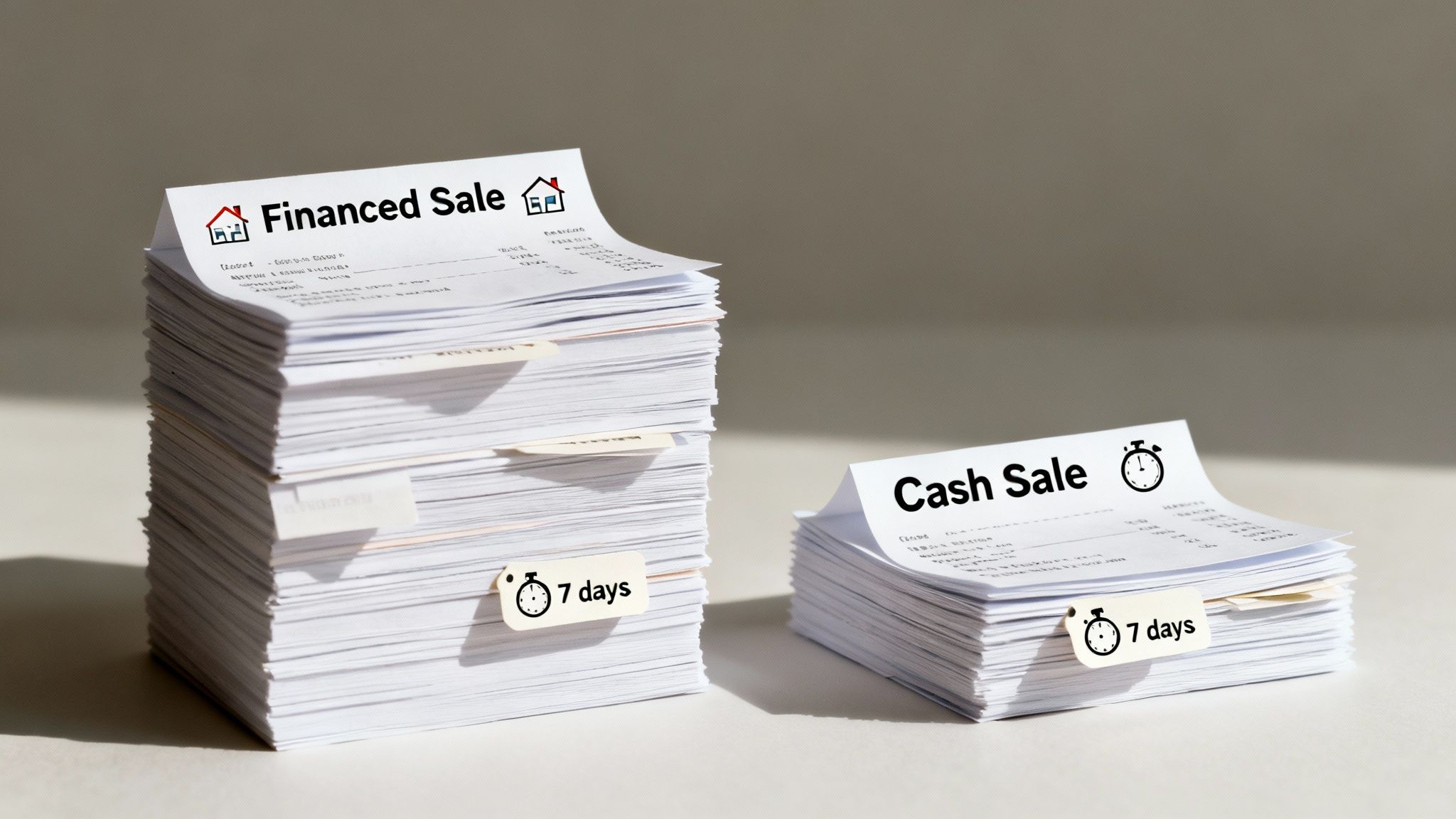
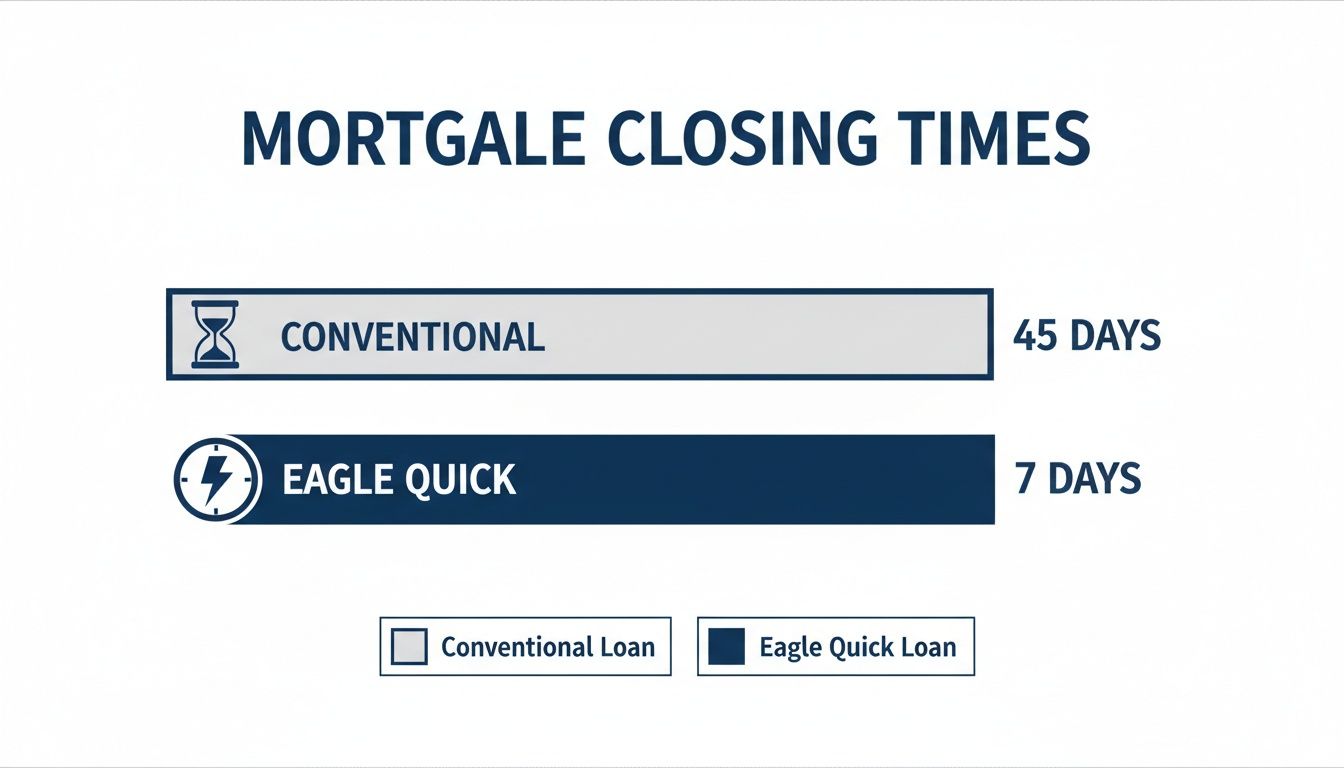
A typical financial house sale requires from 30 to 45 days, which is sometimes truly disadvantageous for one or both parties. Against this background, cash transactions take up to 7 days. You’ll find many other Benefits of Selling Your House for Cash, and in terms of rapidness, the most significant advantages include:
- Faster funds preparation for your next move.
- Less paperwork.
- Absent or fewer unforeseen contingencies.
- No waiting times for loan approvals.
What’s crucial here is to check the closing statement and all the figures. A title expert should read the document before you step into negotiations and sign any papers.
Selling Options – Traditional vs. Cash Buyers
Selling houses often comes with limited time frames, while the closing costs are decisive for the deal’s success. Let’s compare the home sale approaches available at present from the perspectives of time, expenses, and execution complexity:
Sale tactic: | Timeline: | Costs: | Procedure: |
Traditional agents | 30-60 days | 5-6% agent fees, staging, marketing expenses | Time-consuming listing, showings, negotiations, possible loan contingencies, etc. |
iBuyers | 14-30 days | 1-3% fees | Automated evaluation, online showings and negotiations, digital closing |
Private Cash Buyers | Mostly within 7 days | Direct transaction | Quick property evaluation, cash offer, rapid closing without financing contingencies |
Eagle Quick for Cash
The work of the private cash buyer option is easy to understand using an example of a reputable company in the domain. Thus, Eagle Quick for Cash undertakes all closing costs, including title insurance, the escrow, recording charges, and transfer fees. Your property is quickly reviewed, and you receive a no-obligation sale offer. If you accept it, you may close the deal within 7 days. Get more insights on the Learn More About Our Process page.
Closing Cost Scenarios & Examples
Multiple factors may affect closing costs in this or that deal. The most influential ones include state rules, property conditions, and local markets’ specifics. The best way to understand how it all works is to observe real examples.
Florida Case – Distressed Home Sale
Expect low transfer taxes of 0.2% in Florida. However, your costs may skyrocket due to higher title and escrow fees for a ramshackle property:
- Transfer Taxes: 0.2% of the sale price.
- Title Search Fees: $600 flat rate.
- The Escrow: $1,200.
- Total Seller Closing Expenses: 1.2% of the sale price.
Pennsylvania Case – Inherited Property
In Pennsylvania, selling an inherited home is a tough scenario with steep charges. The highest costs include recording expenses and estate fees:
- Estate/Recording Fees: $1,200.
- Title Insurance: $2,800.
- Transfer Taxes: $6,634.
- Total Seller Closing Costs: 4.3%.
California Case – Foreclosure Sale
There are common state fees for foreclosure sales in California. Add to this higher escrow fees and trustee commissions. On average, closing expenses total in 3% of the sale price:
- State Fees + Recording: 1.5% of sale price.
- Trustee: $850.
- Escrow & Notary: $2,250.
- Total Seller Closing Costs: 3.0%.
Regional Closing Costs Comparison for Cash Buyers
State: | Average Expenses: | % of Sale Price: |
Pennsylvania | $10,634 | 4.3% |
Maryland | $14,721 | 4.0% |
California | $7,500 | 3.0% |
Arizona | $4,701 | 1.2% |
Florida | $3,210 | 1.2% |
Texas | $4,548 | 1.5% |
Want a detailed analysis of closing costs by US states? Get the full view by examining the Real Estate Bees’ recent report.
FAQ on Cash Buyer Closing Costs
Do Sellers Pay Closing Expenses with Cash Buyers?
In most cases, yes. A seller usually pays the agent commission. They may partially undertake the escrow and/or transfer taxes.
Which Fees May a Seller Negotiate?
For sellers, negotiable charges often include the escrow, recording fees, and transfer taxes. These points will be in your favor if you have multiple cash offers in a competitive market.
Which Expenses Does Eagle Cash Buyers Cover?
If you close a transaction with Eagle Cash Buyers, you hand over all the seller expenses to the company. It covers their portions of title insurance, escrow fees, recording fees, and transfer taxes.
How Quick Is a Cash Sale?
A standard timeframe for a cash deal is 7 days, which is much faster than in the case of traditional financing, with closure frames of 30-45 days.
How to Prepare for Closing?
Start by earning a detailed closing cost estimate from your title agent. Examine it scrupulously to learn all the charges. Make all the necessary changes to avoid unnecessary and unexpected fees.
Ready to skip the hassle and eliminate surprise fees? Get your no-obligation offer with Eagle Cash Buyers today.