



A title company operates as an impartial entity which verifies the authenticity of real estate deals while confirming that property ownership transfers between sellers and buyers without any issues. They perform research on the property’s background while they handle the closing process and protect funds through safe management and provide title insurance which defends both the new owner and the lender from future ownership disputes.
The official referee of property sales works to guarantee all elements of the deal remain fair while maintaining complete transparency and full legal compliance.
Understanding the Role of a Title Company

The title company operates as the home sale referee which all parties can depend on. The transaction requires their protection because they don’t belong to either the buyer or seller team. Their main mission is to ensure that when the property officially changes hands, the new owner receives what’s known as a “clear title.”
You need a clear title to prove your absolute right to sell the property which you possess as the seller. The property shows no current financial obligations because all liens and debts have been settled and there are no hidden heirs who could claim ownership. The situation holds great importance for you. The title company verifies your property ownership through their services which resolve any problems that might block the sale from going through. The process requires you to learn this step because it represents the essential procedure for completing property ownership transfer.
The Three Core Functions of a Title Company
Title companies focus on three primary duties to safeguard every sale from becoming vulnerable to security threats. The building blocks establish a secure legal agreement which benefits all transaction participants.
The following information describes their duties while explaining why these tasks matter to you as the property seller.
| Core Function | What It Means for You as a Seller |
|---|---|
| Title Search | The company searches through public records to confirm your property ownership while checking for any existing liens or unpaid taxes or property-related claims. |
| Title Insurance | The company sells insurance policies which protect new owners and their lenders from financial losses that stem from undisclosed ownership issues which occurred before their ownership. |
| Escrow & Closing | The parties establish a secure system through which all funds and papers will remain locked until they meet all sale requirements before signing the final contract. |
The three functions work together to eliminate risk and doubt from the transaction which allows both you and the buyer to trust that the deal was executed properly.
The Title Search: Uncovering Your Property’s Story

A title company needs to conduct property detective work as their initial and most vital operation. The process of title search requires them to analyze public records which help them build a complete record of your property’s past.
This isn’t just a quick database query. The process involves a thorough examination of historical property records which include deeds and mortgages and court judgments and tax records and other official documents. The main objective of this process involves locating any existing title defects which continue to appear in property records and threaten to damage the owner’s property ownership rights.
You can think of it as a background check for your house. This step confirms you have the undisputed legal right to sell it and ensures the buyer isn’t inheriting a mess of problems you didn’t even know existed.
What Can a Title Search Uncover?
The research process generates various problems which include both small administrative mistakes and severe issues that might prevent the sale from proceeding. A seasoned title professional knows exactly what to look for.
Here are some of the most common red flags they find:
- Unpaid Property Taxes or Liens: A forgotten tax bill from years ago or a lien from a contractor who was never paid can still be attached to the property. The process of selling a house with a lien becomes essential to understand when this situation occurs.
- Clerical Errors in Public Records: Public records contain clerical mistakes which produce major problems when they occur in legal descriptions or when they affect older documents that contain spellings of names.
- Unknown Heirs or Wills: The property might become subject to an invisible claim when a forgotten relative of a past owner surfaces to claim ownership based on an outdated will.
- Undisclosed Mortgages: The public records show an undisclosed mortgage because an old mortgage payment went through but nobody took the time to update the official documentation.
A thorough title search is the non-negotiable foundation of a secure real estate transaction. It protects both the seller and the buyer from unexpected legal and financial complications down the road.
If the search reveals a major ownership conflict the court will need to decide who owns the property through a quiet title action legal proceeding. The situation demonstrates how vital it becomes to have an expert spot potential threats right at their beginning stages.
The title company solves all discovered problems before closing day to create a perfect property history which enables a secure transfer of ownership to the new buyer.
Title Insurance: Your Shield Against Hidden Risks
The title search process works as detective work. Title insurance, on the other hand, is your bodyguard. The insurance exists as an entirely new form of protection which differs from traditional car and home insurance policies that safeguard against future accidents. Title insurance stands out because it protects you from financial losses which stem from historical issues that have existed for a long time in the past.
The closing process requires you to pay this fee but it provides you with complete home protection during your entire period of home ownership. The policy protects your ownership rights when an unknown heir or an old unpaid lien appears out of nowhere. As a seller, your job is to deliver a title that’s “insurable,” which gives the buyer—and their bank—the confidence they need to finalize the deal.
The practice of confirming property ownership rights has existed for many years. The first real title insurance company was actually founded in Philadelphia way back in 1876. The historical development and essential value of title insurance become evident through this research.
Two Essential Policies for Protection
Title insurance exists as two separate insurance policies under one coverage plan. The two types of protection serve to defend either the buyer or the seller during the property sale process.
-
Lender’s Policy: If there’s a mortgage involved, the lender will absolutely require this. It’s non-negotiable. This policy safeguards their property investment until the loan reaches full repayment. The policy functions as a safeguard which enables the bank to recover its funds when a title dispute threatens their financial backing.
-
Owner’s Policy: This one is all about protecting you, the new homeowner. The policy safeguards your property ownership rights from all possible title issues which might appear during closing or any time throughout your property ownership period. The policy functions as your protection against title search limitations which fail to detect fraudulent signatures on old deeds or public record errors or unknown heir claims.
A homeowner needs an owner’s policy to protect their property completely. The program offers legal defense to users which protects them from facing financial problems because of past issues which occurred more than twenty years ago.
The seller needs to provide an unblemished title which enables both of these policies to get issued. The last defense system provides total protection for the entire transaction which allows all parties to leave the closing table with complete peace of mind.
Navigating the Closing Process with a Title Company
The title company emerges from behind the scenes to become the primary focus when closing day arrives. They transition from being investigators to becoming the main event coordinators who serve as closing agents and escrow officers to successfully complete the final crucial stages of the transaction.
Think of them as the transaction’s central hub. The title company operates as the main body which controls all monetary transactions that occur during the process. The process includes safeguarding the buyer’s earnest money deposit through an escrow account which serves as a neutral third party that protects all parties’ financial interests until all sale requirements have been fulfilled.
Preparing for the Final Signature
The title company needs to draft the final settlement statement as their main job duty. You’ll usually see this called a Closing Disclosure (CD) or a HUD-1 form. The document serves as the final receipt which shows every single cost and credit that both the buyer and seller received during the entire transaction.
The document contains all details which show the complete sale amount together with agent compensation and property tax distributions and title service expenses so all financial transactions become completely clear. You can view the entire list of cash buyer closing expenses if you want to know how these costs compare to each other.
The initial title search allows insurance companies to provide protective policies during property closings.
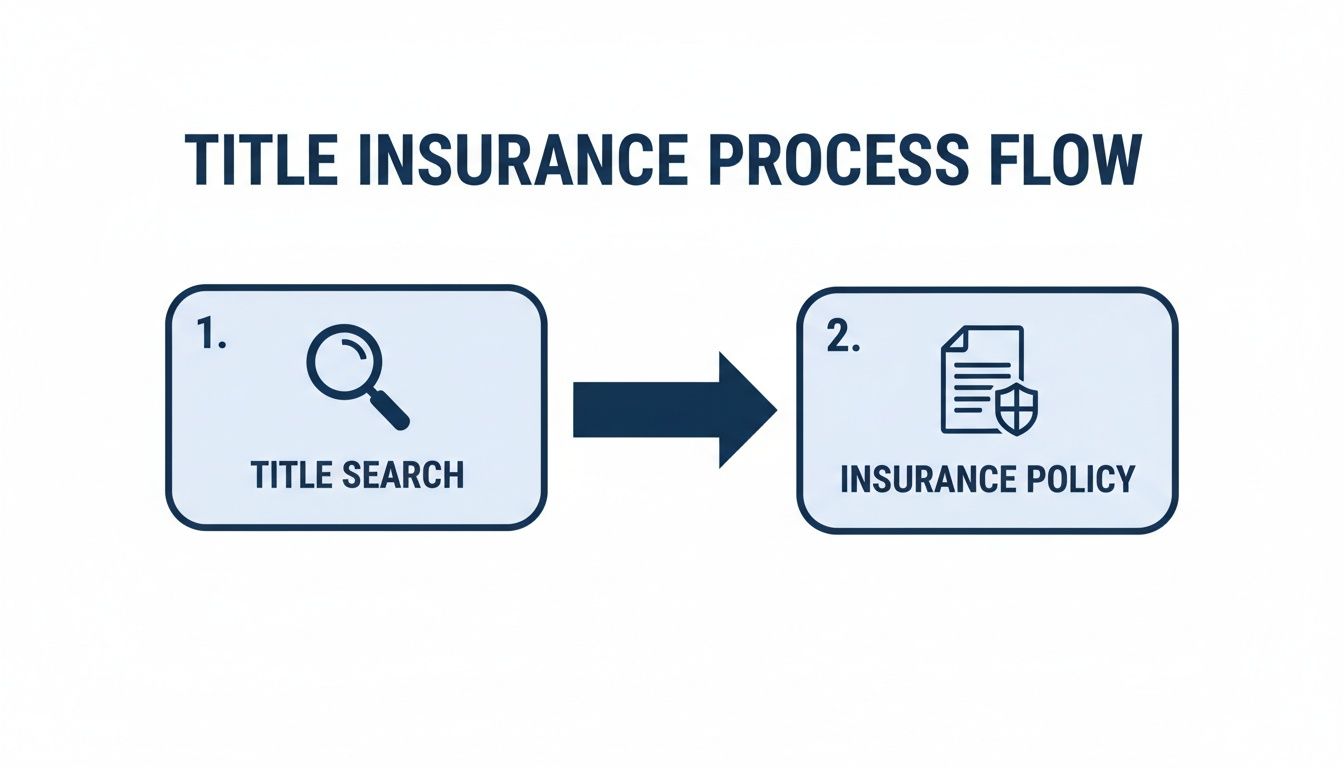
The process requires a complete title search to verify all property details before the closing can proceed with an insurable policy.
The process of preparing for closing day will help you achieve a smooth closing experience. The title company needs to confirm your identity while you must provide various documents which will complete the property transfer process.
Here’s a quick checklist of what sellers usually need to bring to the table:
- Valid Photo Identification: A driver’s license or passport is a must for every seller listed on the title.
- House Keys and Codes: Don’t forget any keys, garage door openers, or security codes for the new owner.
- Forwarding Address: Provide your new address so any final documents or proceeds can be mailed to you.
The title company creates a secured legal framework through their closing operations which results in a protected organizational system. The process takes a complex financial transaction and converts it into a simple and clear conclusion which leads to your home sale completion.
How Your Selling Method Affects the Process
A title company participates in every home sale process regardless of whether you work with a real estate agent or sell your property on your own or with a direct buyer. A neutral third party functions as the deal’s security system to verify that all parties have received their appropriate payments and all legal requirements have been met.
The title company coordinates with various parties during a standard agent-assisted sale which includes the buyer’s mortgage lender and both real estate agents and the buyer and you. The timeline often stretches out, dictated by financing approvals, appraisals, and home inspections.
You need to find a quick solution which will solve your problem right away. The market offers multiple solutions to this problem.
Selling Directly to a Cash Home Buyer
The direct sale process to cash buyers enables you to sell your home quickly through a simple method but you must still maintain security measures. A trustworthy cash home buying company will always work with a local title company which has professional expertise to complete the sale process. The structure enables you to get cash fast while keeping your transaction protected by the same legal safeguards which protect standard real estate sales.
Eagle Cash Buyers works with local title companies which they have established relationships with to conduct their business operations. The process requires them to perform a complete title search before they can issue essential title insurance policies and they must remain vigilant during the closing process. The system enables organizations to follow established procedures which prove essential when dealing with complex cases such as inheritance matters. You can read more about how this works in our guide to probate property sales.
A cash sale that goes through an established title company is just as secure and legitimate as any other. The process eliminates bank financing delays but it does not reduce the time needed to complete legal procedures.
The buyer usually pays all closing expenses in this situation. You can obtain fast cash through this service while receiving professional and secure transaction handling with full protection from a title company.
Common Questions About Title Companies Answered
The sellers bring up various questions which we need to analyze. The process of obtaining clear answers will help you develop confidence when you start your home selling process.
How Much Are Title Fees and Who Pays Them?
Title fees exist as multiple costs which depend on your state’s rules and the value of your property during the sale. The total cost which breaks down into three main components: the title search and settlement/closing services and the title insurance premiums.
The payment responsibility for these expenses depends on the terms which different parties agree to during their negotiations. The seller typically assumes responsibility for the owner’s title insurance policy because this policy protects the buyer from any issues with the property title. The buyer typically funds the lender’s policy requirement because their mortgage company demands it.
However, when selling to a direct cash buyer, they often cover these fees for you. The process becomes easier because you will receive the complete payment amount which you will keep.
Can I Choose My Own Title Company?
Both parties involved in real estate transactions get to decide which title company they prefer to work with. The sales contract allows for this process to become a point of negotiation during the sales agreement stage. You should select from multiple local companies which have proven their ability to deliver dependable services while maintaining open communication channels.
Direct buyers usually have their preferred title companies which they use for their transactions. The process benefits from their previous evaluation of these professionals who now handle the situation without delays. These professionals possess the ability to complete their assignments at a fast pace while you receive a professionally executed search process.
The selection of a trustworthy title company functions as the main factor which leads to a secure closing process under professional management. Their expertise is your best protection.
What Happens if the Title Search Reveals a Problem?
Title searches become essential because they help identify any existing problems with property ownership rights. The title company intervenes to resolve any problems which occur before closing including unpaid tax liens and forgotten owner claims and clerical mistakes.
The organization will assist you in selecting the proper steps to take. The sale proceeds would need to be used to settle outstanding debts while you must obtain suitable legal documents which will establish property ownership. Their expertise becomes essential because you need a clean title to obtain title insurance and complete the property transfer process.
You need to understand your available choices when you decide to sell your home. The cash sale option allows you to sell your home for cash if you need to handle title problems or if you want to avoid dealing with home repairs and listing your property and negotiating with buyers. Eagle Cash Buyers works with local title companies which they trust to handle all complex matters that protect their closing process on your preferred schedule. Get a no-obligation cash offer today.