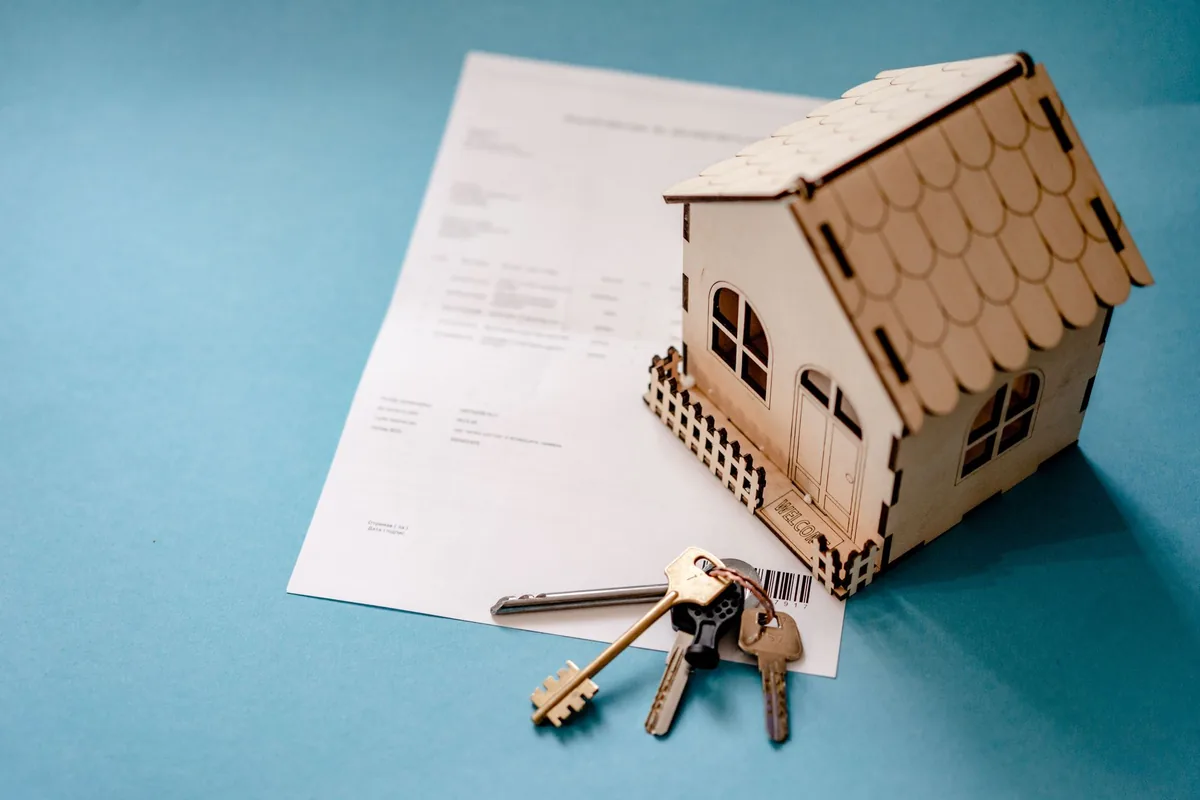
Yes, you can usually use a power of attorney to sell a house, as long as the document gives the agent authority over real estate, was signed the way the state requires and is still in effect on the day of closing. The title company, escrow holder or closing attorney usually reviews it first and can ask for more before the agent signs. And when the owner dies, the power of attorney ends and the estate process decides who can sell.
The sources below were checked November 2026. Eagle Cash Buyers is not a law firm, title company or tax advisor. This information is general and is not legal, title or tax advice. Laws, procedures and transaction costs vary by state and locality, and the purchase agreement and closing documents control each transaction. Have the power of attorney itself read by an attorney licensed in the state where the house is.
Can You Use a Power of Attorney to Sell a House?
Often, yes. A power of attorney lets one person, the agent, act for another, the principal, and it is usually a written document. The Wex legal dictionary at Cornell Law School (checked November 2026) notes that many jurisdictions impose special requirements on its form or substance, which is why a document that sails through a closing in one state can draw questions in the next.
Two things decide most cases: what the document covers and whether it still works on the day of closing.
Start with what it covers. Texas Law Help, a legal-aid site for Texans (checked November 2026), describes the common types this way:
- General: authority over a broad range of matters.
- Limited or special: authority for a specific matter or a limited period, such as one sale.
- Durable: a general power that continues if the principal becomes disabled or incapacitated.
- Springing: authority that starts only if and when the principal becomes disabled or incapacitated.
Other states differ. Read these as examples. A power written for bank accounts may not reach a house.
Then check timing. Cornell's entry says that, typically, a power of attorney remains effective only while the principal is alive and competent to make decisions, unless the principal granted a durable power that persists after they can no longer decide for themselves. For an adult child helping a parent whose memory is slipping, that one word, durable, can decide whether the sale goes ahead.
What Title Companies Check Before They Accept a Power of Attorney
Closing providers each run their own review, and state law sets the floor, so treat this table (sources checked November 2026) as the questions to expect rather than a legal standard.
| What gets checked | What it means for you | Example or source |
|---|---|---|
| Authority over real estate | The document should cover selling real property and signing the purchase contract and the deed, and a narrow power may not reach this sale. | Texas: a special power to sell includes a legal description of the property (Texas Law Help). Eagle seller story below: a power with no contract authority |
| How it was signed | Some states require the principal to sign before a notary. | Texas: signed before a notary public (Texas Law Help) |
| Recording | Some states require a power used for real estate to be recorded in the county land records. | Texas: filed with the clerk of each county where the property is located (Texas Law Help) |
| Still in effect | The principal is alive, has not revoked it, and any end date has not passed. | Cornell Wex, Texas Law Help |
| Durable, if the owner can no longer decide | A power that is not durable may have ended when the principal became incapacitated. | Texas Law Help |
| Everyone else on title | The power covers only the principal, so everyone else whose signature or authorization is required still signs or authorizes. | Ask the closing provider |
Send a full copy of the power of attorney to the closing provider as early as you can, ideally before anyone signs a purchase agreement, and ask whether it needs the original, whether and when the power has to be recorded, and whether it wants a signed statement from you that the power is still in effect. They are small questions, but a closing that stalls on one of them can lose weeks while a new document is drafted, signed and reviewed again.
Can the closing provider refuse the power of attorney?
It can ask for more, and in some cases it can refuse. In Texas, for example, Texas Law Help (checked November 2026) says a business presented with a durable power of attorney must, within ten days, accept it, reject it with a written reason, or ask the agent for a signed certificate or an opinion of counsel. A good-faith belief that the power is no longer valid, or that the agent is acting beyond the authority it gives, is among the statutory reasons to refuse. Other states set their own rules.
In the seller files Eagle documented in 2026, about one in five involved a title or paperwork problem, though those are sellers who contacted a cash buyer, not a representative sample of home sellers.
Real Seller Story: "This Power of Attorney Is Not Notarized"
A family friend was helping manage a property owner's affairs after he asked her for help. The house she wanted to sell had been empty for about five years, and neither she nor the owner could tell us much about its condition. "We're not sure about anything," she said. That didn't hold anything up. Our coordinator assumed the house would need a full rehab and moved on to the paperwork.
She had a power of attorney. It wasn't notarized, though, and it didn't give her the right to sign a purchase contract. Our transaction coordinator caught it. They would need the owner's signature, he told her, because "this power of attorney is not notarized." He routed the question to our attorney rather than pushing her to sign something that wouldn't hold.
Her record ends before the signing authority was settled, so we don't know how it turned out. The lesson is timing. A gap like hers is far easier to fix in the first week than at the closing table.
Your Duties as the Agent When You Sell
As the agent, you are a fiduciary. The CFPB's guide Managing Someone Else's Money: Help for agents under a power of attorney (checked November 2026) lists four basic duties:
- Act only in the principal's best interest.
- Manage the principal's money and property carefully.
- Keep the principal's money and property separate from yours.
- Keep good records.
In a sale, those duties become habits. Sign all documents in a way that shows you are the agent, as in the CFPB's example "Juan Doe, as agent for Martina Roe," and don't sign the principal's name alone. Keep title to the principal's money and property in the principal's name, so the sale proceeds land in the principal's account and don't pass through yours, and don't pay yourself for your time unless the power of attorney or state law allows it.
The guide also says an agent has a strict duty to avoid conflicts of interest, or even the appearance of one. Fall short and you could be removed as a fiduciary, sued or made to repay money, and the guide, written for family and friends serving as agents rather than professionals, warns that state laws vary, so you may have additional duties.
When a Power of Attorney Is Not Enough
Having a power of attorney in hand doesn't settle every question. Five gaps come up.
The owner has died
The agent's authority ends when the principal dies, the CFPB guide says, so from that day the power of attorney can't be used to sell the house, even if a purchase agreement was already moving toward closing. Who can sign next is an estate question.
Who can sign after a death depends on how title was held and your state's law. Property held in the deceased owner's name alone may require probate or another estate procedure before anyone has authority to sign a deed. Property held in a trust or with survivorship rights may pass outside probate. A probate or estate attorney licensed in your state should confirm who has authority and which procedure applies. We can evaluate the property and make an offer while that is being established, but we cannot close until someone has legal authority to sign.
Our guide to selling a house in probate walks through the executor's side, and heirs can start with how to sell an inherited house.
The power was revoked or replaced
Revoking it ends it. The CFPB guide says the agent's responsibilities end if the principal revokes the authority, and a spouse's authority as agent may end with a divorce or legal separation, and Texas Law Help adds one more ending event for Texas, a court appointing a guardian of the principal's estate.
The owner can't decide anymore and the power isn't durable
It may have ended. If the owner can't sign and the power doesn't work, the sale may have to go through a court, and an attorney can tell you which process applies in that state.
Someone else owns part of the house
A power of attorney from one parent doesn't cover the other parent's share, or a sibling's, so everyone whose signature or authorization is required still has to sign or authorize the sale, whatever the power of attorney says about the house.
The document is too narrow or wasn't signed correctly
That was the problem in the story above. If the owner can still make decisions, the simplest fix may be for the owner to sign the contract and deed. The other route is a new power of attorney, drafted and signed under the state's rules, and an attorney who has read both the old document and the deed should decide which one fits.
Selling a Parent's House With Power of Attorney, Step by Step
- Talk to your parent, if you can. Acting in the principal's best interest starts with knowing what they want for the house.
- Have an attorney read the document. Ask whether it covers real estate, whether it is durable and whether anything has ended it.
- Find out who else is on title. A recent deed or a title search should show it, and our checklist of documents for a cash sale lists what to gather.
- Tell the closing provider early. Send the full document before you sign a purchase agreement, not after.
- Record it if the state requires. In Texas, for example, the power is filed with the county clerk, and if the house is there, our page on selling a house fast in Texas covers the local side.
- Sign as agent, and send the proceeds to your parent's account. Then keep a record of each payment from the sale, because the CFPB guide expects an agent to keep true and complete records of the principal's money and property.
Then pick a route. A cash offer is usually lower than the price a fully repaired home could reach on the open market, because the buyer takes on the repairs, the holding costs and the risk of reselling. In return you skip the repairs, the showings and the wait. If there is time and money to prepare the house, listing it with an agent may bring a higher price. Because you are deciding for someone else, compare more than one written offer, or a listing agent's estimate, before you choose, and keep them with your records.
Homeowners in 43 states can request a written cash offer from Eagle. Whether we can make an offer depends on the property, its location and its condition. See the states we buy in. An offer is only an offer. Nothing is binding until you and Eagle sign a purchase agreement.
Frequently Asked Questions
Can someone sell my house with a power of attorney?
Usually, yes, if you signed a power of attorney that gives that person authority to sell real estate and sign the purchase contract and deed for you, it met your state's signing rules and it is still in effect at closing. The closing provider may ask for more before it accepts it. Changed your mind? Ask an attorney how to revoke it where you live.
Can I sell my parents' house with power of attorney?
Often, yes. It can, if each parent who owns the house gave you a power that covers real estate, it was signed the way the state requires and it is still in effect. If only one parent signed one, the other owner still has to sign or authorize the sale and the deed. The power ends when the parent who gave it dies.
Does a power of attorney need to be notarized to sell a house?
It depends on the state, and the closing provider may have its own requirements. Texas, for example, requires a power of attorney to be signed before a notary public and, when it is used for real estate, filed with the clerk of each county where the property is located (Texas Law Help, checked November 2026). Check a limited power written for this one sale the same way before you rely on it.
Does a power of attorney work after the owner dies?
No. The CFPB's guide for agents says the authority ends when the principal dies. Who can sell after that depends on how title was held and on the state's estate process, so talk to a probate or estate attorney.
How much does a real estate power of attorney cost?
There is no single price. The cost depends on whether a lawyer drafts it, the notary and any county recording fee, so ask for a quote before anything is drafted and, if a sale is likely, make sure the document covers real estate.
Can a power of attorney sell a house to themselves?
Only if the document and state law allow it, and even then it is risky. The CFPB says an agent has a strict duty to avoid conflicts of interest, or even the appearance of one, and buying the principal's house yourself is exactly that kind of fiduciary duty conflict. Have an attorney read the document before you make an offer.