
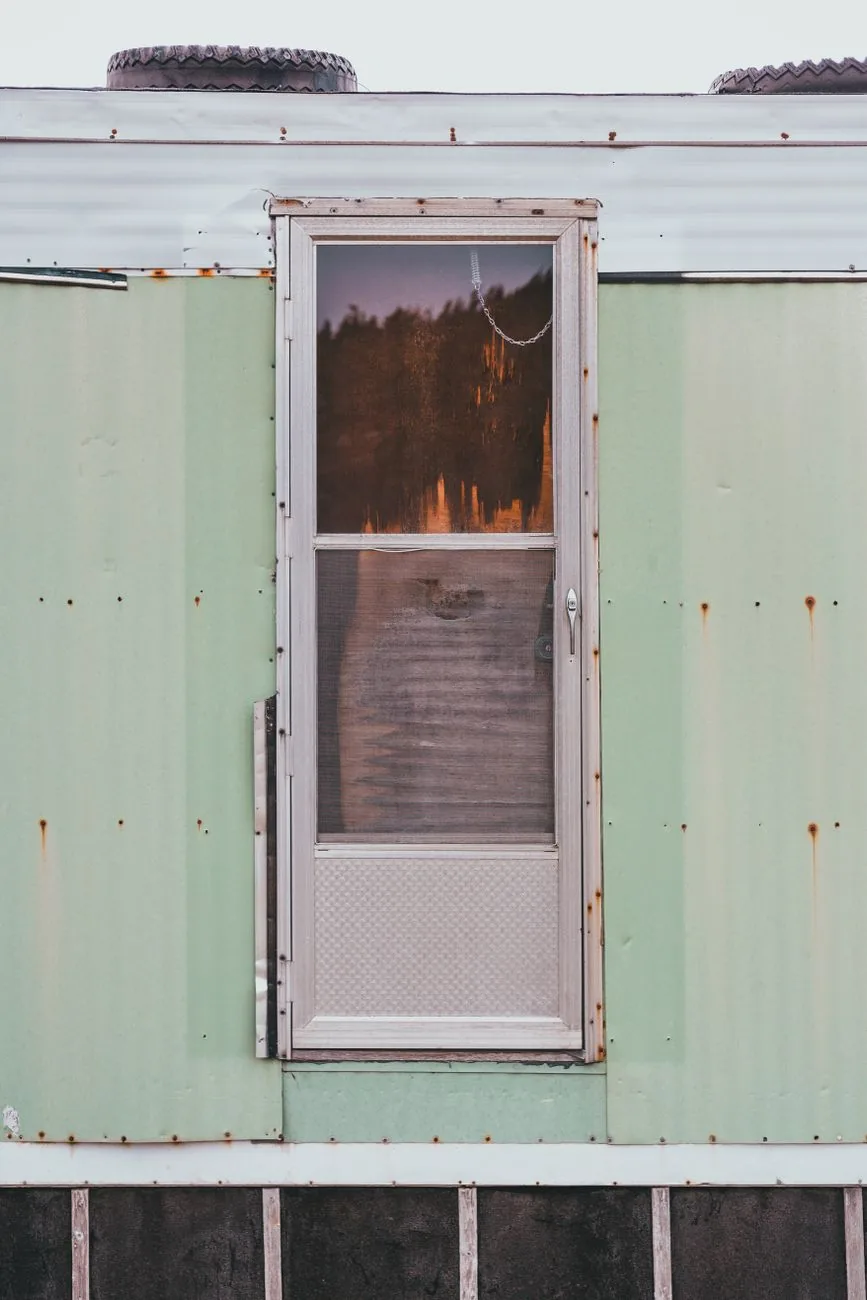
Can you sell a mobile home for cash? Yes, but who will buy it depends mostly on the land: whether you own it and whether the home is legally part of it. A home sold together with its land is often handled much like a house, while a home on land you lease usually goes to a narrower group of buyers and the sale has more moving parts, from the lease to the way the title is recorded.
Eagle buys mobile homes only when they are sold together with the land they sit on. This guide covers both situations, so you can see where your home fits, what paperwork a buyer will ask for and which other routes exist if the land is not yours.
Can You Sell a Mobile Home for Cash?
Often, yes. A cash buyer pays without a mortgage on the buyer's side, so the sale does not wait on a lender's appraisal and underwriting. It does not remove the questions about title and land.
Three questions shape most sales:
- Do you own the land? If the deed to the land is in your name, more buyers can consider the home.
- Is the home legally real property or still titled like a vehicle? The answer is set by state law, so it can differ from one state to the next.
- What is owed on the home and the land? A loan or lien is usually paid from the sale proceeds or released at closing, provided the proceeds are enough or the lienholder agrees.
A cash offer is not the same thing as the money you take home. What you receive is whatever remains after the mortgage, any other liens and your share of the sale costs.
Mobile Home or Manufactured Home: Why June 1976 Matters
People say "mobile home" for almost any factory-built house, but HUD uses a more exact term and describes a manufactured home as "formerly known as a mobile home." A manufactured home is built to the Manufactured Home Construction and Safety Standards, known as the HUD Code, and it carries a red certification label on the exterior of each transportable section. According to HUD, all manufactured homes built in the U.S. after June 15, 1976 must be certified by the manufacturer, and each transportable section must have that certification label, commonly called a HUD Tag (HUD manufactured home resources, checked October 2026).
For a seller, the label is a quick way to place your home. Check the outside of each section. If you find the tag, note the number, because buyers and title companies often ask for it. No tag? HUD's label rule covers homes built after June 15, 1976, so an older home may not have one. If your home is newer and the tag is missing, tell the buyer and the title company early.
Real Property or Personal Property? Check Your Title
This question decides many sales. A home that is legally real property is generally sold with the land on the deed, although in some states the home keeps a certificate of title even then, so both documents may change hands. A home that is still titled on its own, much like a vehicle, is often sold with that title and a bill of sale.
Fannie Mae's Selling Guide, which sets rules for the lenders that sell it loans, shows how seriously the industry treats the line. It says the home must be legally classified as real property under state law, and must be attached to a permanent foundation on the land. Where a title was issued and state law permits it, the lender must get evidence that the certificate of title was surrendered. Other states do not allow the certificate of title to be eliminated at all (Fannie Mae Selling Guide B5-2-05, checked October 2026).
That guide is about loans Fannie Mae buys, so it is not a rule you must follow when you sell for cash. Whether a title can be surrendered, and what that takes, depends on your state, and while a buyer's lender may care a great deal, a title company, escrow holder or closing attorney usually wants the records to show clearly who owns the home and who owns the land.
Start with the title or deed you already have. If you are unsure how your home is classified, ask your county recorder or the state agency that issues titles for manufactured homes, and talk to a real estate attorney licensed in your state before you sign anything.
Who Buys Mobile Homes? Compare Your Options
No single buyer fits every home. The table below is general, because each state, community and buyer sets its own terms.
| Route | Often a fit when | What to expect |
| Cash buyer, home sold with the land | You own the land and the home, and you want to skip repairs and showings | The offer is usually lower than a repaired, listed home could bring. Closing speed depends on title work and payoffs. Eagle works this way. |
| Listing with a real estate agent | The home is in good shape, you have time and you want the widest set of buyers | Agent commission, usually between 5% and 6% of the sale price (it is negotiable and depends on the agent), plus showings and buyer financing, so the sale may take longer. The final price may be higher. |
| Private buyer | You know someone who wants the home | You handle the paperwork, so a title company, escrow holder or closing attorney is worth involving. |
| Dealer or investor who buys homes on leased land | You lease the land and want a quick sale | Terms vary a lot. Ask how the home will be titled, moved or kept in place, and get the offer in writing. Eagle does not buy this kind of home. |
| The community that leases you the land | You are leaving and the community buys homes or has a resale program | Some do and some do not. Read your lease and ask the manager. |
Compare offers by what you would net. Take the price, subtract any payoff and subtract the fees or costs the route adds, because a lower offer with fewer costs can leave you in a similar place to a higher one that comes with several.
Selling a Mobile Home With Its Land to a Cash Buyer
Eagle's policy is plain: we buy mobile homes only when they are sold together with the land they sit on. Here is how that sale generally goes.
- Share the basics. Tell the buyer where the home is, how old it is, what shape it is in and whether you own the land.
- Get an offer. Whether Eagle can make an offer depends on the area, the value and whether the numbers work. During business hours, we can usually provide an initial offer within minutes to a few hours after receiving the necessary property information. Some properties need more research, photos or a walkthrough before the offer can be finalized.
- Title work. A title company, escrow holder or closing attorney checks who owns the home and the land and what is recorded against them.
- Close on your date. Most sales close in 21 to 42 days, or later if you need more time. You pick the date. Title work, liens, payoffs and any paperwork on the home's own title can affect the timing.
We pay the closing costs on a sale to us, except your share of any transfer tax, and the purchase agreement sets this out. Eagle does not charge you an agent commission when you sell your house directly to us. Your mortgage payoff, any liens and prorated property taxes are paid from the sale proceeds.
Documents to gather early include the deed for the land, the home's certificate of title (or proof it was surrendered or never issued), the HUD certification label number if you have it, any loan payoff statement and your property tax bills, and our checklist of documents for a cash sale covers everything else a title company, escrow holder or closing attorney may ask for.
Eagle may purchase the property itself or, if the purchase agreement permits, assign its contractual rights to another investor or purchasing entity. Any assignment right is stated in the agreement before you sign. For how a buyer arrives at a number, see how cash home buyers calculate an offer. For how title insurance fits in, see how cash buyers handle title insurance.
A Real Seller Story: A 1958 Manufactured Home in Maryland
A homeowner who contacted us owned a 1958 manufactured home in rural western Maryland and lived about 50 minutes away. Nobody had lived in it since 2022. The home was 780 square feet, one bedroom and one bath, with a permitted addition on the back. Built in 1958, the home predates the HUD Code date by almost two decades.
Two features shaped how a buyer would look at it. The septic system was small enough that it would likely need pumping about every year, and the well appeared to have been shared with a neighbor at some point, the kind of detail that can surface in a title search. The rest was a vacant home winding down: an active leak in the rubber roof over the addition, pipes that had frozen underneath and an electrical panel dating to around 1975.
A field agent visited to photograph the property. He had no mortgage and no liens, and his only financial responsibility was prorated property taxes, which come out of the proceeds rather than out of pocket. The fireplace was the part he liked best: "That was my favorite part about the place."
If You Do Not Own the Land
If you lease the land your home sits on, the lease and the community's rules shape the sale.
- Read the lease. It may say whether the community must approve a buyer, whether signs are allowed and what notice you owe if you leave.
- Ask about the home's future. Some homes can stay where they are with a new owner. Others may have to be moved, and moving a home can be costly and may need permits. Ask for written quotes.
- Check the title. A home on leased land is more likely to be titled on its own, so find out how yours is recorded and whether a loan is attached to it.
- Get each offer in writing. Ask who pays for transfer paperwork and any move.
We cannot help with this one ourselves. A real estate attorney licensed in your state can read your lease and tell you what applies.
What Lowers the Price of a Mobile Home
A few things hit mobile homes harder than other houses:
- Title gaps. A missing or unclear title can slow the sale or lower what a buyer will pay.
- Liens and loans on the home. Anything owed is paid from the proceeds, so it reduces what you receive.
- Condition and age. Older homes and homes that need repairs usually draw lower offers. Whether any buyer can make an offer depends on the numbers.
A cash sale usually nets less than a repaired home sold on the open market, but it saves time, repairs and showings. That is your call. Our guide on selling a house fast for cash lays out that trade-off, and how as-is buyers work explains what to ask any buyer.
Frequently Asked Questions
Where is the best place to sell a mobile home?
It depends on your land and your goals. If you own the land, you can list the home with an agent, sell privately or ask for a cash offer, and the right choice depends on how much you want to net and how soon you need to close. If you lease the land, look at your community's rules first and compare offers in writing.
Are mobile homes hard to resell?
Not always. A home on leased land, a title that is not in order or repairs the home needs can all shrink the pool of buyers, and some sellers find only a dealer will take the home. Ask what the community allows before you list.
Can you sell a mobile home without a title?
Sometimes, and the rules vary by state. If the home became real property and its title was surrendered, the deed to the land may be what transfers it. If the home is still titled on its own and the title is lost, it usually has to be replaced, or ownership proven, before a sale can close. The state agency that issues titles for manufactured homes can tell you how, and a real estate attorney can review the purchase agreement before you sign.
Do cash buyers buy mobile homes without the land?
Some buyers may, but Eagle does not buy them without the land. If a buyer offers to take the home alone, ask how it will be titled and moved, and who pays for each step.
Eagle Cash Buyers is not a law firm, title company or tax advisor. This information is general and is not legal, title or tax advice. Laws, procedures and transaction costs vary by state and locality, and the purchase agreement and closing documents control each transaction. Eagle is not a lender and does not lend money to home sellers. We are also not attorneys: talk to a loan officer about loan questions and an attorney about legal questions.