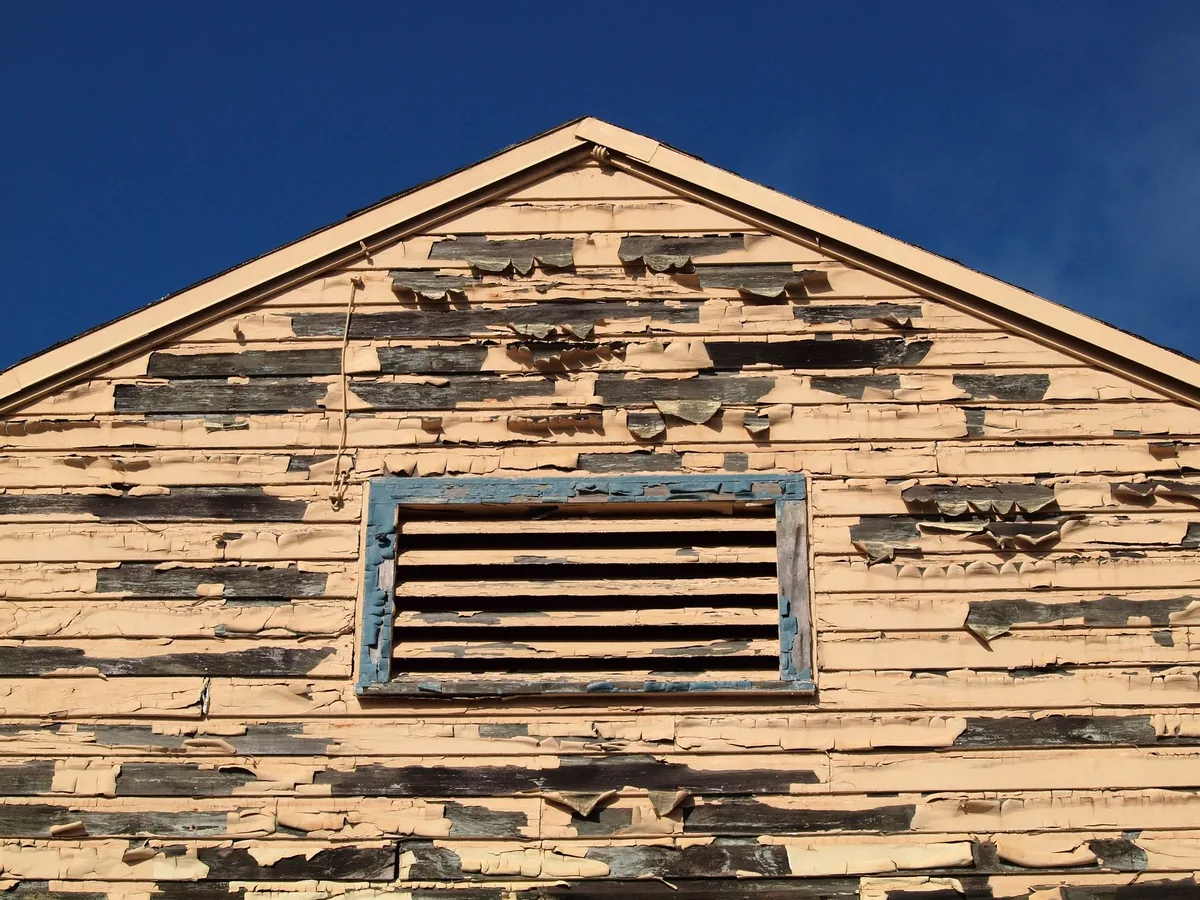
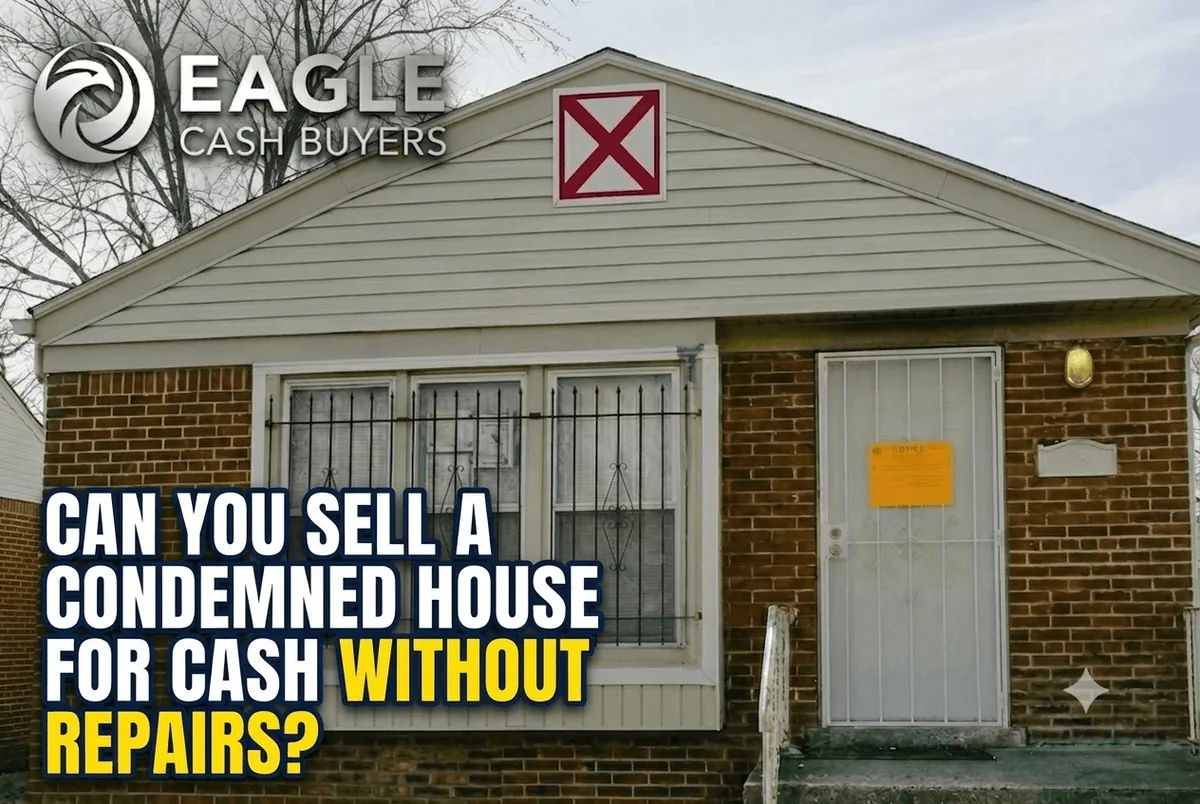
In many places you can sell a condemned house, and you can do it without making repairs, though your city's rules decide the details. A condemnation order limits how the building can be used. It doesn't take your ownership away. Lenders generally won't finance a house that has been declared unfit to live in, so the buyers who step in are cash buyers, investors and builders who can pay with their own money and take on the work themselves.
What changes is the paperwork. The order is usually a public record, any fines may be attached to the property as liens, and the price reflects what it will cost someone else to fix the house or clear the lot. This guide covers how that works, what each of your options really involves, and what to do in the first week.
One caution before we start. Condemnation rules are set by cities, counties and states, so the details vary by location, and you should treat this as a general guide and confirm the specifics with your local code office and a real estate attorney.
Quick answers
- Ownership: you keep it. Your options usually include selling, repairing the house or asking whether the order can be appealed.
- Buyers: mostly cash buyers, because lenders usually won't finance a house that's unsafe to occupy.
- Fines and liens: usually paid from the sale proceeds at closing, so get the amounts early.
- Price: based on what the house or the lot is worth once it's repaired or cleared, minus the cost of getting there.
- Timing: fines and city action can keep adding up, so early numbers keep more options open.
Can You Sell a Condemned House Without Fixing It First?
Often, yes. A condemnation order restricts occupancy. Whether your city also requires repairs, a permit or a code office sign-off before the property can change hands varies, so ask your code office before you sign anything. Where nothing blocks a transfer, the owner can sell with the order still attached.
Cash buyers pay with their own funds. That means no lender inspection and no bank appraisal standing between the offer and the closing. The buyer takes the property with the order still attached, and the offer reflects that, because the buyer's plan is usually to repair the house and bring it back into compliance or to clear the lot and build something new.
What "Condemned" Means, and What It Doesn't
Condemned is a legal status. It isn't a description of condition. When a code official finds a building unsafe or unfit to occupy, the city can condemn it. The building is typically posted with a notice, and the people living in it are ordered to leave.
Common triggers include:
- Structural damage, such as a failing foundation, a collapsed roof or fire damage
- Health hazards, such as heavy mold, sewage backup or asbestos exposure
- No running water, electricity or heat
- Severe infestation that damages the structure or creates a health risk
- Unpermitted work that created a safety hazard
- Long vacancy, where deferred maintenance slowly crosses the line into "unsafe"
People often mix up three things. A code violation is a citation with a deadline, and it doesn't always come with an order to leave. Our guide on selling a house with code violations covers that situation. A house that needs repairs can still be lived in and, often, financed. A house that is condemned has been ordered closed.
The word has a second meaning. In eminent domain, a government takes private property for public use, such as a road or a utility project, and the Fifth Amendment says private property may not be taken for public use without just compensation. That's a different process with different rights, so if it applies to you, talk to an attorney who handles condemnation cases. The tax side is a question for your tax professional.
What Happens After a Condemnation Order
Every city runs this process a little differently, but the pattern is similar: each step you don't answer narrows your options and adds cost, and the notice you set aside early becomes the lien you're negotiating later.
- Notice. You get written notice of the problems, usually with a deadline to fix them or to appeal. Appeal windows can be short, so find the date in your notice.
- Order and posting. If the problems aren't corrected, or the danger is immediate, the building is posted and occupants must leave. Some orders are recorded with the county.
- Fines and fees. Some places add penalties while the order stands, and unpaid amounts can be attached to the property as liens.
- Securing the site. The city may board up openings, fence the lot or shut off utilities, then bill the owner.
- Demolition. If nothing changes, a city may order the building torn down and charge the cost to the owner, sometimes as another lien.
- Forced sale. Unpaid taxes and liens can lead to a tax sale or foreclosure on the property.
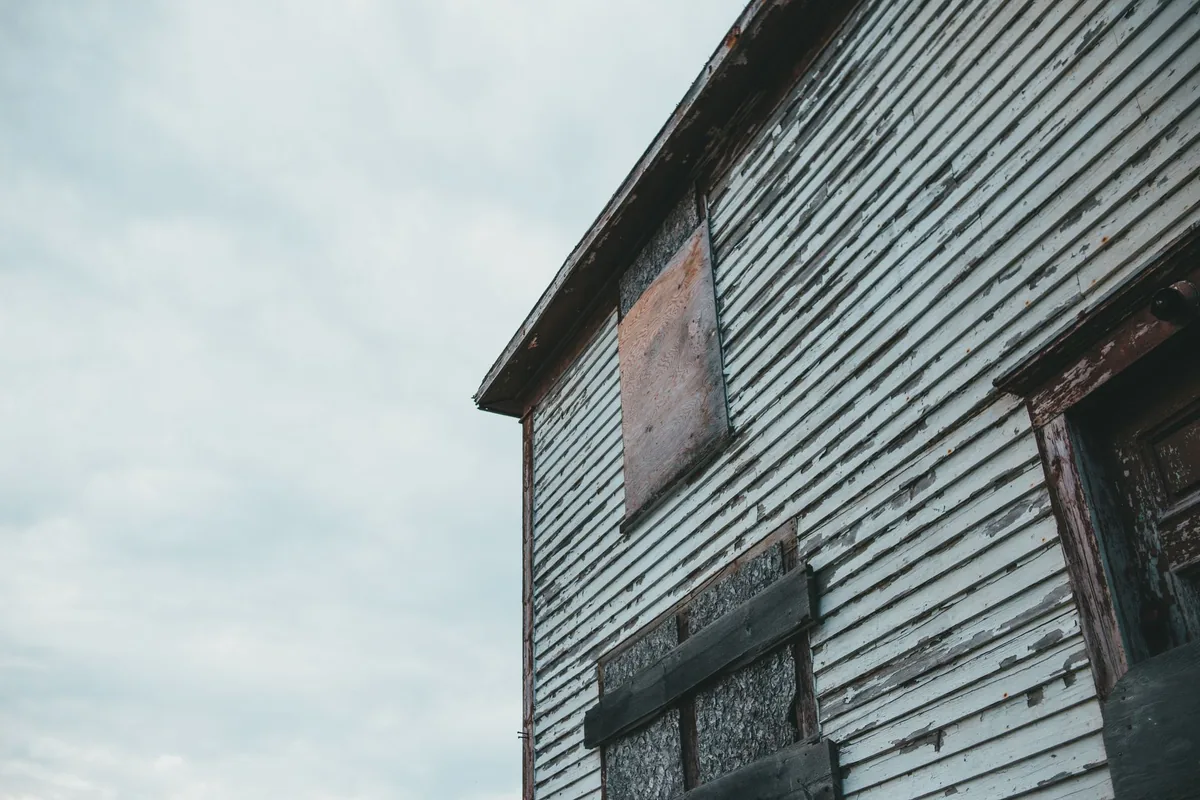
Timelines differ from one city to the next. Don't guess. Call the code enforcement office and ask three questions: what is the property's current status, what is owed so far, and which deadlines are still open.
The sequence matters because every lien comes out of the same pot of money, which is your equity, and a house that could have netted something at step two can net far less by step six.
Why a Condemned House Won't Sell the Traditional Way
A standard sale depends on a buyer with a mortgage. Four things get in the way.
Financing. FHA-insured loans carry minimum property requirements, and HUD's Single Family Housing Policy Handbook 4000.1 says every home FHA insures must be safe, sound and secure. Other lenders set their own standards. A house ordered closed for safety reasons generally won't meet them.
Appraisal and insurance. Mortgage lenders typically want an appraisal and proof of homeowner's insurance. A condemned house can be hard to appraise by comparable sales and hard to insure on a standard policy, which can end a financed deal before it starts.
Title. A recorded order and any code liens show up in a title search. A buyer's title company will want them resolved or accounted for before closing.
Disclosure. Seller disclosure rules differ by state. Where they apply, a condemnation order is the kind of known fact you would be expected to disclose, and a buyer will find it anyway. Staying quiet can expose you to a fraud claim. Ask your attorney what applies where you live.
That leaves cash buyers, investors, builders and, in some places, auction buyers. Owners of condemned property are often under pressure, which makes it worth checking who you're dealing with, and our guide on whether we buy houses companies are legit covers the red flags.
Your Four Options, Compared
An owner of a condemned house has four realistic paths. They differ in what you pay up front, how long they take and what can go wrong.
Option 1: Sell As-Is to a Cash Buyer
You sell the property with the order attached. There are no repairs to pay for, no agent commission on a direct sale and no months of carrying costs while a listing sits, and any fines and liens are generally paid from the proceeds at closing, so the amounts you owe are settled in one place.
The trade is price. A cash offer is lower than what a repaired house might bring, because the buyer takes on the repair or demolition work, the risk and the time. This route fits best when you're short on time or money, or when fines are still growing.
Option 2: Repair the House, Lift the Order, Then List It
Two things decide whether this works. You need the money to fix every cited problem, and you need the time to wait through permits, reinspection, a listing and a buyer's closing. If you have both, this can bring the highest sale price, and it's worth pricing out.
The risks are real. Repair scopes on damaged older houses can grow once walls are opened, you keep paying the mortgage, taxes, insurance and any fines while you work, and the market can shift while you wait. If either the money or the time is missing, this route often never reaches the finish line.
Option 3: Demolish and Sell the Land
This makes sense when the land holds most of the value and the structure holds none. You pay up front for demolition, permits, utility disconnects and hauling. Then comes the land sale. Get a written bid from a licensed demolition contractor before you decide, and ask your city what permits and lien clearances it requires.
Option 4: Do Nothing
It's a choice, and it carries the most downside. Fines may keep growing and taxes keep accruing. Insurance can lapse. An empty house invites weather damage and vandalism, and the city may eventually demolish it and send you the bill. Waiting doesn't preserve your choices. It removes them.
The four paths side by side
| Path | What you pay up front | Time to the finish | Main risk |
|---|---|---|---|
| Sell as-is to a cash buyer | Nothing for repairs. Payoffs and liens come out of the proceeds at closing. | As little as 21 to 42 days, or longer if you need it | The offer is below what a repaired house might bring |
| Repair, lift the order, list | Repairs, plus mortgage, taxes, insurance and fines while you work | The longest of the four | Costs and delays that outrun the budget |
| Demolish, sell the land | Demolition, permits, utility disconnects and hauling | Demolition first, then a land sale | The lot may be worth less than you spent to clear it |
| Do nothing | Nothing now. Fines, taxes and possible city demolition later. | Open-ended | Liens can grow past the value of the property |
Costs, timelines and outcomes depend on your location, the extent of the damage and your city's process. Get written quotes and offers before you decide.
Real Seller Story: comparing two paths after a fire
A couple's house burned. Their insurer called it a total loss, and they had already collected their claim. The house was uninhabitable, with damage throughout the interior and part of the roof gone, and they were left with a question most owners don't expect: pay to demolish and hold the cleared land, or sell with the damaged house still standing?
They went about it carefully. A week before they called us, they had a bid from a demolition company. Then they asked for a cash offer so they could lay the two paths next to each other. In their words: "We're just taking a bid on both processes and to make an informed decision on our part."
On the call, we gave them a preliminary range and said plainly that it was a range, not a firm offer. We explained that a representative would visit to confirm the condition and that we run our own title search either way. They weren't ready to commit. They wanted to weigh the demolition route first, and we told them to call if they decided to move forward.
Details are limited on purpose to protect the sellers. Our record ends before they made a decision, so this is a story about how they compared their options, not about a completed sale.
How Cash Buyers Value a Condemned Property
A cash buyer doesn't price the house as it stands today. The buyer starts with what the property could be worth once it's repaired, or what the land is worth if the house will come down, then subtracts the repair or demolition cost, the cost of reselling, and a margin for the work and the risk. What's left is the offer.
That's why two condemned houses with similar damage can draw very different offers, since location sets both the land value and the resale price, and a lot in a busy, growing area isn't priced like a lot where few people want to live. Same damage, different numbers. Our guide on how cash home buyers calculate their offer walks through the formula.
What tends to raise an offer:
- A desirable location, since location drives land value
- A buildable lot with favorable zoning
- Damage that can be fixed at moderate cost, compared with a total loss
- Clear title, with few or no liens
- Existing water, sewer and gas connections
What tends to lower it:
- Environmental problems such as asbestos, lead or underground tanks
- Large recorded liens and unpaid fines
- Ownership disputes or other title problems
- Restrictive zoning or no access to municipal utilities
Real Seller Story: "strictly land value"
One seller in our files owned a 672-square-foot house that had been gutted to the studs. No appliances. No tub. No fixtures. He called it "basically a teardown" and put it plainly: "It's strictly land value." He had a demolition quote of about $4,000 and decided that even that wasn't worth doing before selling.
What makes the case useful is what the file did not show: any city order. Our coordinator checked ownership, taxes, liens and permits, and the file shows no mortgage, no liens, taxes current, no open permits and no city violations, with the city having passed the electrical and utilities. So the pricing question was land versus structure, with no city violations on file. On a condemned house the same math generally applies, and the order and any fines would be subtracted on top.
Our record ends before a decision was made, so this isn't a completed sale.
When we look at a damaged property, we start with a preliminary range, then confirm the condition and run our own title search before anything is firm. We may buy directly or assign the contract to another buyer. If we assign it, that is disclosed in the agreement before you sign.
Liens, Fines and Title: What Gets Paid at Closing
At closing, the title company or closing attorney pays recorded debts from the seller's proceeds, which typically means your mortgage payoff, unpaid property taxes and any code fines or demolition charges recorded against the property.
On our side, Eagle pays the closing costs except for the seller's mortgage payoff, back taxes and liens, and the seller's share of transfer tax. In a typical sale those items stay with the seller.
What if the liens add up to more than the offer? Don't panic. Ask your code office whether fines can be reduced or settled, because some offices have a process for it and some don't. Title work will show the full picture first.
Missing paperwork is a smaller problem than it sounds. In a separate case, one seller's title and deed were inside his house when it burned. A title search is the usual way to work around missing originals, so a lost deed doesn't automatically stop a sale, and our guide on how title insurance works in a cash sale explains the process.
What Happens to Your Mortgage, Insurance and Taxes
Condemnation doesn't cancel any of your financial obligations. Not one. Here is how the pieces interact, because the mortgage, the insurance and the tax bill all keep moving while the order stands.
Your Mortgage
You still owe the loan. The payments are still due, so call your servicer early and ask for a payoff figure, because you'll need it to compare any offer. If you fall behind, foreclosure can follow, and our guide on selling before foreclosure explains the timeline and your options.
Your Insurance
Coverage may be limited or cancelled after a condemnation, and policies differ on what they pay and when. Ask your carrier. Get the answer in writing. If your coverage lapses and your loan requires it, your servicer can buy force-placed insurance. The CFPB explains that force-placed insurance often protects only the lender and is usually more expensive than a policy you find yourself.
Your Property Taxes
The tax bill keeps coming. In many places you can ask the assessor to review the value, but that doesn't erase what you already owe. Unpaid taxes can lead to a tax sale, and tax liens can come ahead of other debts.
Taxes on the Sale
A sale to a cash buyer is generally taxed like any other home sale, and whether you owe anything depends on your basis, your gain or loss and how long you lived there. That's a question for a tax professional.
Other Legal Points to Check Before You Sell
- The recorded order. It shows up in a title search, so plan on the buyer knowing about it.
- Unpermitted work. Earlier repairs done without permits may have contributed to the order, and they can add a layer of disclosure.
- Lead-based paint. For most housing built before 1978, federal rules require sellers to disclose known lead-paint information and hazards before the contract is signed. The EPA explains the Lead-Based Paint Disclosure Rule and its exemptions.
- Your own attorney. State and local rules on condemned property vary enough that an hour with a local real estate attorney is usually worth it, especially when liens or title questions are involved.
How to Sell a Condemned House for Cash, Step by Step
Step 1: Read the order. Find the status, the deadlines, the appeal window and what you owe so far, then call the code office to confirm each one, because the notice may not show the current balance or the latest deadline. Start here.
Step 2: Gather your documents. Pull together the order and any correspondence, your deed or other proof of ownership, your mortgage payoff figure, your tax status, your insurance status or any open claim, and any repair or demolition bids you already have. If something is missing, don't stop. Title work can often fill the gaps.
Step 3: Get real numbers. Ask for a written demolition or repair bid if you can, and request written offers from two or three cash buyers. Be cautious about any buyer who won't put the offer in writing, asks for upfront fees or pushes you to sign the same day. Our guide on how to compare cash offers shows what to look at besides the headline number.
Step 4: Read the contract before you sign. Check the as-is language, who pays which costs, how liens will be handled and whether the buyer can assign the agreement. Consider having your own attorney or agent review any contract, ours included.
Step 5: Close. Title work is completed, you sign, and you are paid at closing. You pick the closing date. Closing can happen in as little as 21 to 42 days, or longer if you need more time.
Frequently Asked Questions
Can you sell a condemned house without fixing it first?
Generally, yes. Cash buyers and investors do buy condemned houses as-is. You should expect to disclose the order, and some cities add conditions to a transfer, so confirm with your code office and a local attorney.
How much is a condemned house worth?
There's no standard percentage. The value depends on the land, the location, the extent of the damage and what's owed in liens. Cash buyers work backward from the repaired or cleared value. The best way to find your number is to collect written offers and a demolition bid, then compare them.
What happens if your house is condemned and you have a mortgage?
The loan stays in place, and your mortgage payments are still due. If insurance lapses, your servicer may buy force-placed coverage. Selling and paying off the loan from the proceeds can be a clean exit, as long as the sale price covers the payoff and any liens. Check the math first.
Can you get a mortgage to buy a condemned house?
Generally not. FHA requires the property to be safe, sound and secure, and many other lenders set similar standards. That's the main reason condemned houses are sold to cash buyers and investors.
Can you live in a condemned house while you sell it?
Generally not. A condemnation order typically makes occupying the building unlawful, and breaking it can bring fines or other penalties. Plan on temporary housing and ask your code office what your order requires.
Do you have to pay code fines when you sell?
Recorded fines and liens generally have to be paid or resolved at or before closing, usually from your proceeds. If they exceed what you'd net, ask the code enforcement office about reducing or settling them, and talk to your attorney.
How long does it take to sell a condemned house for cash?
With an Eagle cash offer, closings can happen in as little as 21 to 42 days, and the seller picks the date, including a later one. Title work and local requirements can change the timeline.
What to Do Next
Start with where you stand. Get the order, the amount owed in fines, your mortgage payoff and your tax status. Then get a real number, because a written offer gives you something concrete to hold against repair costs, a demolition bid and the cost of waiting.
Whatever you decide, make the decision before the city makes it for you.