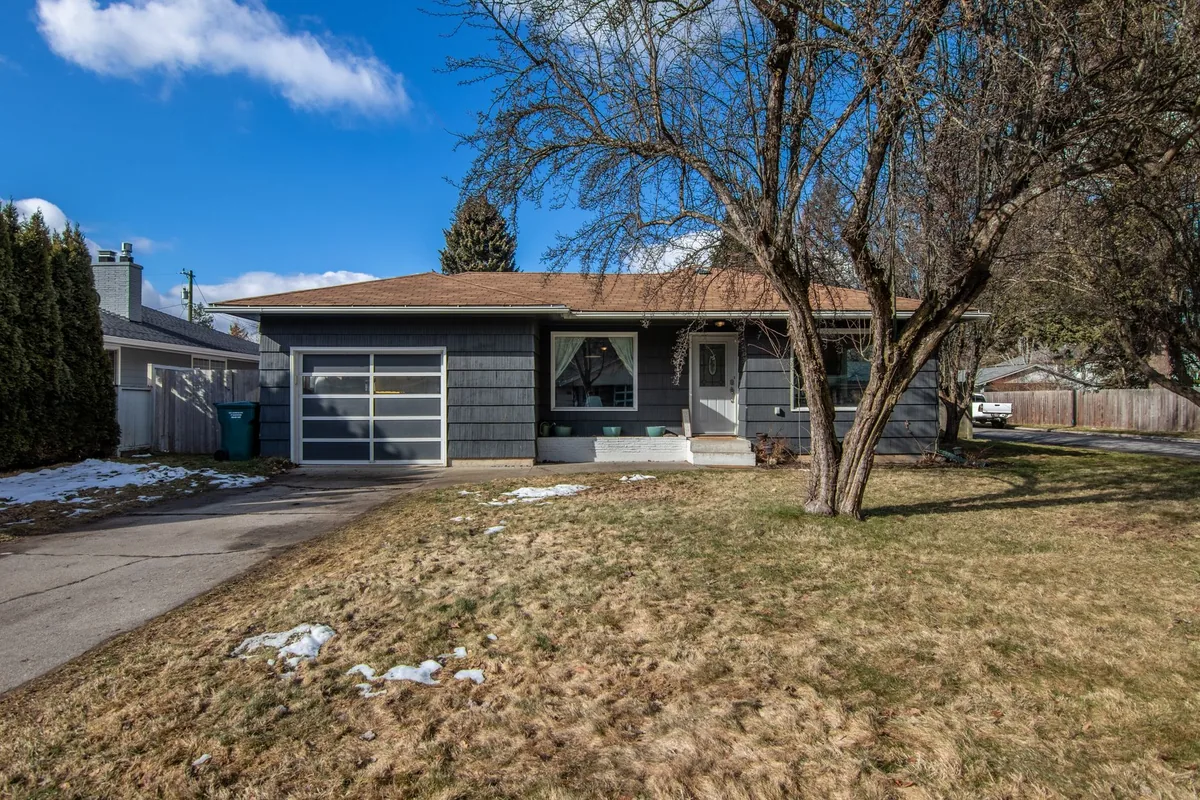
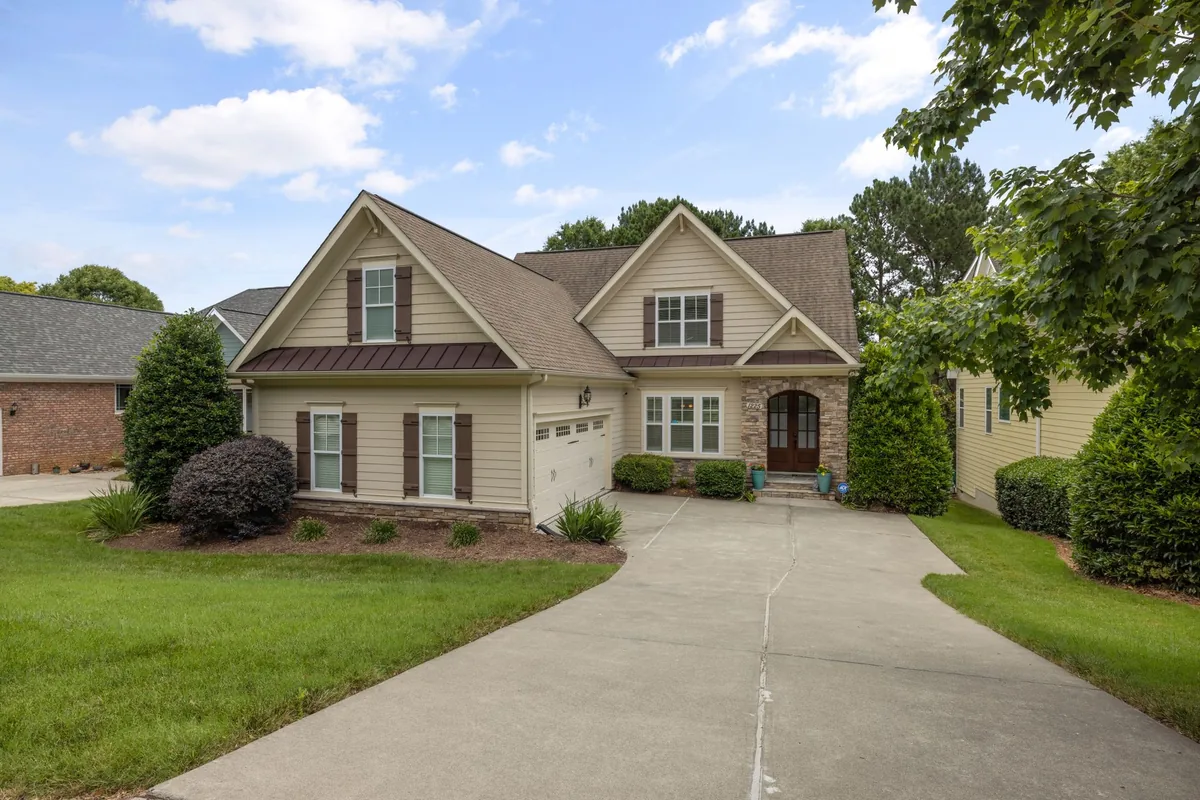
Opendoor vs cash buyer: which fits your house? Opendoor is an iBuyer. It makes a cash offer using real-time data and pricing algorithms, then subtracts a service charge and the estimated cost of repairs. Eagle Cash Buyers is a direct cash buyer that looks at houses in any condition in 43 states. The right fit depends on the house.
Eagle Cash Buyers wrote this comparison, so read it with that in mind. Every fact about Opendoor below comes from Opendoor's own help center, its fees page or its annual report filed with the SEC, quoted and checked in October 2026. Fees and terms change, so confirm them on Opendoor's site before you decide. The facts about Eagle are our own published terms. Opendoor is a trademark of its owner. Eagle Cash Buyers is not affiliated with Opendoor.
Opendoor vs Cash Buyer: The Short Answer
It comes down to the house.
- Opendoor is likely the closer fit if you own a single-family home or a townhome in the lower 48 states, it shows only cosmetic wear, and you want an offer with each cost listed on it.
- A direct cash buyer like Eagle is likely the closer fit if the house needs major repairs, is a mobile home sold together with its land, or is a property Opendoor says it does not buy. We buy houses in any condition; whether we make an offer depends on the area, the value and whether the numbers work.
- Listing with an agent may net more than either if you have both the time and the money to put the house right before you sell.
One more thing to be plain about. Our cash price is below what a repaired house might bring on the open market. That is the trade a seller makes for speed, no repairs and a closing date they pick, and it is worth checking against a listing estimate before you sign anything with anyone.
How Does Opendoor Work?
Start with the offer. According to Opendoor's fees page (checked October 2026), "We use real-time data, advanced pricing algorithms, and on-the-ground expertise to determine your offer." The same page says Opendoor looks at comparable sales nearby, current market conditions and the features and condition of your home.
Opendoor's help center breaks an offer into a few parts. Here they are, in Opendoor's words where it matters:
- Estimated net proceeds: "the estimated net amount Opendoor is projecting for your home sale."
- Service charge: "The service charge is the fee Opendoor charges for buying, holding, and reselling your home." Its service charge page adds that "Opendoor does not publish a fixed service charge percentage."
- Repair costs (the condition adjustment): after an assessment, Opendoor may find items that need repair. Instead of asking you to fix them, "Opendoor estimates the cost and deducts it from your offer."
- Estimated closing costs: "standard costs associated with any home sale, including title insurance, escrow fees, property taxes owed, and recording fees." The fees page puts title and escrow costs at 1-3%, paid to third parties.
- Net proceeds: what you actually receive at closing. Opendoor defines it as the estimated net proceeds minus the service charge and the estimated standard costs.
Then timing. The fees page says: "Pick your close date, sign, and move when you are ready."
There is a real upside in that structure, and Opendoor names it: you do not have to hire contractors or manage the repairs yourself. The cost of the work is taken off the offer instead. Whether that deduction is fair is the number to look at hardest.
How Does Eagle Cash Buyers Work?
We are a direct cash buyer. These are our own terms, and the purchase agreement is where you confirm each one. For the full walkthrough, see how it works.
- You send the property details. During business hours (Monday to Friday, 9 am to 5 pm Eastern), we can usually provide an initial offer within minutes to a few hours. After hours and on weekends, we schedule a call for business hours.
- We look at the house as it is. We buy houses in any condition. Whether we make an offer depends on the area, the value and whether the numbers work, not on how the house looks.
- You read the agreement before you sign. We may buy the house directly or assign the contract to another buyer, and the agreement says which. It also states who pays the transfer tax.
- You pick the closing date. Closing can happen in as little as 21 to 42 days, or later if you need more time.
Costs, plainly. On a direct sale there are no fees, no repairs, no closing costs and no agent commission, and we pay the recording fees. You do not walk away with the full price, though. Your mortgage payoff, any liens (including back taxes) and your share of prorated property taxes still come out of the sale proceeds at closing. On a standard cash offer, you also pay the transfer tax.
We also have a second option, Retail Max, for sellers who want a higher price and can wait. We put the house under contract at an agreed price above our straight cash offer and market it to an end buyer. You pay no agent commission, no closing costs and no approved repair or concession costs, and we pay the transfer tax. It needs showings, usually scheduled 24 hours ahead when the house is occupied. The timeline is longer and depends on the end buyer and their financing. Sellers usually net more than with our cash offer, but less than with a full retail listing of a fixed-up house.
Two limits. We are not a lender, and we are not attorneys. Take loan questions to a loan officer and legal questions to an attorney. If you want the math behind an investor's number, read how cash home buyers calculate their offer.
How Can Retail Max Put More in Your Pocket?
Retail Max is the option where we can usually pay more than our straight cash offer. It is not available for every house. One of our acquisition specialists goes through your property, your timing and your local market with you, and tells you plainly whether it qualifies.
The difference is in how the house gets to its final owner. Opendoor describes its service charge as the fee it charges “for buying, holding, and reselling your home.” An iBuyer buys the house first and sells it again later, so the house goes through two sales, and each sale has its own closing. With Retail Max, the house is sold once, straight to the end buyer, and we pay the closing costs on that sale, including the transfer tax. Skipping the second sale is where the saving comes from, and that saving is what lets us put more of the price in your pocket.
- We cover: the closing costs, including the transfer tax, the title policy and recording fees, any applicable agent commission, and approved repair and concession costs.
- You still pay, from the proceeds: your mortgage payoff, any liens (including back taxes) and your share of prorated property taxes.
- The trade-off: the house needs showings, usually scheduled 24 hours ahead if it is occupied, and it takes longer than a cash offer, because it depends on the end buyer and their financing.
If your house qualifies, ask for both numbers in writing: Opendoor’s estimated net proceeds and our Retail Max net. Then compare them line by line, the way the next sections show.
Opendoor vs Eagle Cash Buyers: Side-by-Side Comparison
Here is the same information in one table. The Opendoor column quotes or closely follows Opendoor's own pages, checked on 8 October 2026.
| Opendoor (its own pages) | Eagle Cash Buyers | |
|---|---|---|
| Business model | iBuyer; its annual report calls it "a leading e-commerce platform for residential real estate transactions" | Direct cash buyer; may buy directly or assign the contract, disclosed in the agreement before you sign |
| How the offer is set | Real-time data, pricing algorithms and on-the-ground expertise | Depends on the area, the value and whether the numbers work |
| Company fee | A service charge; no fixed percentage published | No fees |
| Repairs | Estimated cost deducted from the offer | No repairs and no repair costs |
| Closing costs | Title insurance, escrow fees, property taxes owed and recording fees; title and escrow 1-3% | No closing costs; we pay recording fees. Payoff, liens and prorated property taxes come from the proceeds |
| Transfer tax | Ask Opendoor | You pay it on a standard cash offer; we pay it on Retail Max |
| Closing date | "Pick your close date" | You pick; as little as 21 to 42 days, or later |
| Home types | Single-family homes, townhomes, some condos | Varies; ask us about your property |
| Condition | Cosmetic wear usually fine; major structural, foundation or extensive damage may not qualify | Any condition; an offer depends on the area, the value and the numbers |
| Mobile homes | Not bought, including on permanent foundations | Only with the land |
| Where | The contiguous United States (lower 48) | 43 states |
Opendoor facts come from its fees page, its offer guide, its home types page and its coverage page, checked 8 October 2026. They can change, so confirm them before you rely on them.
What Does Opendoor Not Buy, and What Does Eagle Not Buy?
This is the honest decision point.
Opendoor's help center lists the homes it does not buy: mobile or manufactured homes, "including those on permanent foundations"; multi-family properties with 5 or more units; commercial properties; and vacant land. Condos are a maybe, since eligibility "depends on the specific condo community, HOA, and market."
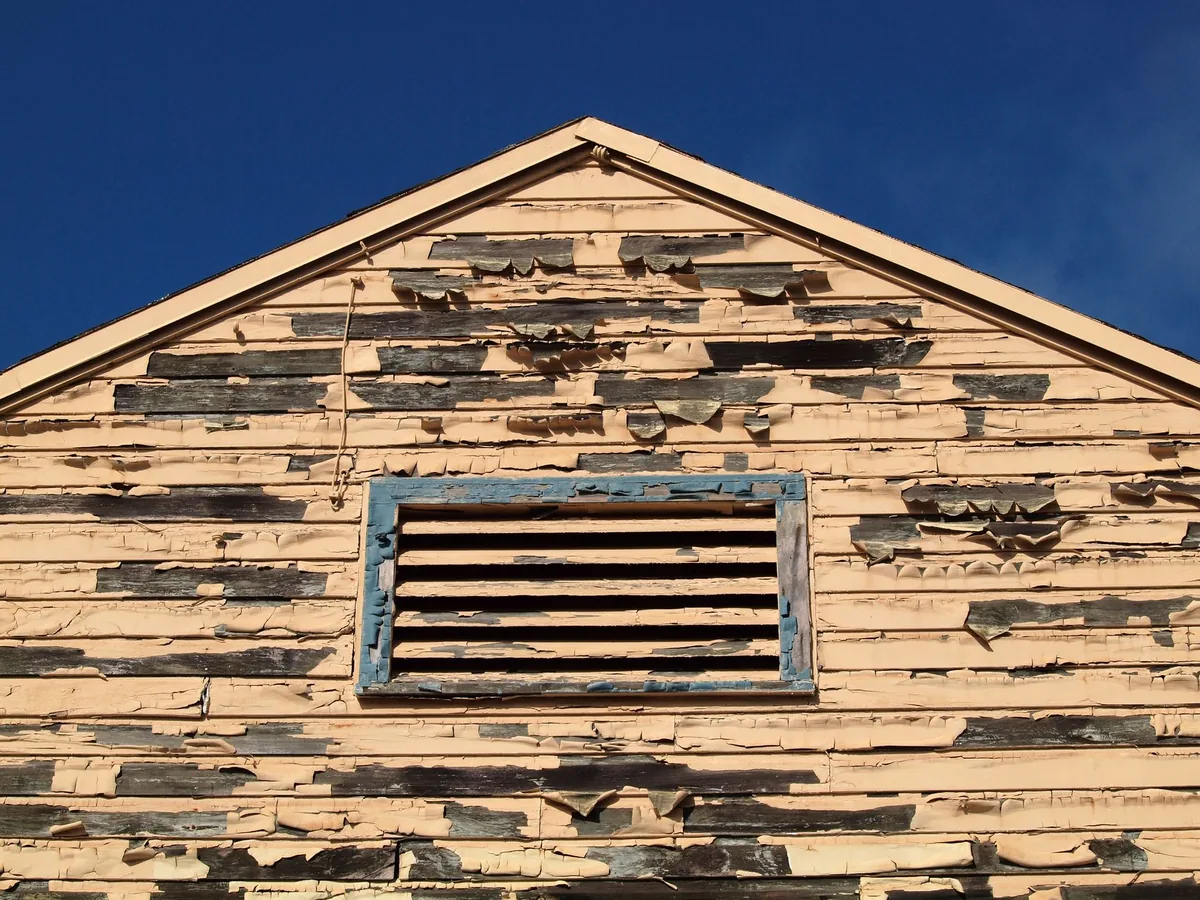
Condition is a second filter. In Opendoor's words, "Even if your home type is eligible, its condition plays a role in whether we can make you a cash offer." The page names homes that may not qualify, those with major structural damage, serious foundation issues or extensive damage such as fire, severe water damage or mold throughout. It also says "Minor cosmetic issues and normal wear and tear are usually not a problem."
Our side is shorter. We buy mobile homes only together with the land they sit on. Past that, we look at houses in any condition, and whether we make an offer depends on the area, the value and whether the numbers work. Some houses will not pencil out for us either.
For a wider look at who buys what, our guide to companies that buy houses as is covers each buyer type.
How Do You Compare an Opendoor Offer and a Direct Cash Offer?
Compare net to net. Not price to price. A higher headline number can shrink once a service charge and repair costs come off, and a lower one may have fewer deductions behind it, so the only fair test is what lands in your account after every line item. Ask both companies for the offer in writing and fill in a worksheet like this one.
| Line | Opendoor offer | Eagle cash offer |
|---|---|---|
| Starting number | Estimated net proceeds | Purchase price in the agreement |
| Company fee | Minus the service charge | None |
| Repairs | Minus the repair costs from the assessment | None |
| Closing costs | Minus the estimated closing costs | None; we pay recording fees |
| Transfer tax | Ask Opendoor | Yours on a standard cash offer |
| Mortgage payoff and liens | From your payoff statement | From your payoff statement |
| Prorated property taxes | Included in "property taxes owed" | Yours, from the proceeds |
| What you keep | The result | The result |
Then work through it in order:
- Get each offer in writing, with every deduction shown as a dollar amount.
- Use the same mortgage payoff figure in both columns. Your servicer can give you one.
- Ask Opendoor how it arrived at the repair estimate, and ask us whether the contract will be assigned.
- Check the closing date each offer assumes and whether a different date changes anything.
- Have an attorney or an agent you trust read the contract before you sign.
Our guides to what closing costs sellers pay in a cash sale and comparing cash offers from different buyers go further into both steps.
When Is Opendoor Likely the Better Fit?
Sometimes it is. We would rather say that than lose your trust. Opendoor is likely the better fit when:
- Your house is a single-family home or a townhome in the lower 48 states.
- It has only cosmetic wear and normal wear and tear, nothing structural.
- You want each repair cost shown on the offer and taken off it, without managing contractors yourself.
A direct cash buyer is more likely to fit when the house falls outside those lines: serious damage, a mobile home sold with its land, or a property type Opendoor's help page excludes. If your house qualifies for both, get both offers and compare them with the worksheet above.
And if you have both the time and the money to fix the house and wait for a retail buyer, listing with an agent may net more than either cash option, even after the agent's commission, which is usually between 5% and 6% and varies by market. Our comparison of cash buyers vs iBuyers explains how the models differ.
Frequently Asked Questions
Is Opendoor legit?
Opendoor Technologies Inc. is a public company that files annual reports with the U.S. Securities and Exchange Commission. Its annual report for 2025, filed in February 2026, describes it as "a leading e-commerce platform for residential real estate transactions." That tells you it is a real company that reports publicly. It does not tell you whether its offer suits your house, so compare the written offer and the fees before you sign, the same as with any buyer, us included.
How much does Opendoor charge?
Opendoor does not publish one number. Its help center says "Opendoor does not publish a fixed service charge percentage." Besides the service charge, the offer deducts estimated repair costs and estimated closing costs, and the fees page puts title and escrow costs at 1-3%, paid to third parties. Your own cash offer shows the dollar amounts.
Does Opendoor buy houses that need major repairs?
It depends on the damage. Opendoor's help page says homes with major structural damage, serious foundation issues or extensive damage may not qualify for a cash offer. Minor cosmetic issues and normal wear and tear are usually not a problem, and for repairs it does accept, Opendoor estimates the cost and deducts it from the offer.
Does Opendoor buy mobile homes?
No. Opendoor's help page lists mobile or manufactured homes, including those on permanent foundations, among the homes it does not buy. Eagle buys mobile homes only when the land is part of the sale, and whether we make an offer depends on the area, the value and whether the numbers work.
Is a cash buyer the same as an iBuyer?
Not quite. Both make a cash offer. An iBuyer like Opendoor prices homes with data and algorithms, then holds and resells them. Cash home buyers like Eagle look at the house as it is, take houses that need work, and may buy directly or assign the contract.
Can I get offers from both Opendoor and a cash buyer?
Yes. You can ask both for an offer. Line up each final offer in writing, including the closing costs and every other deduction, read both contracts, and sign only one purchase agreement.