A white clapboard house with black-framed windows and a picket fence at a small-town crossroads, with a flagpole, a stop sign and dense green woods behind
Questions? Call us: (833) 330-1625

Sell My House Fast in Connecticut: We Buy Houses for Cash, As-Is, Any Condition

Any condition, from the shoreline to the Quiet Corner. Tell us the address and we will put a real number in writing, free, with nothing to sign.

Sold as-is, no repairs to fund Free, no-obligation offer No agent commission to pay Every Connecticut region

Homeowners in 43 states can request a written cash offer from Eagle. In Connecticut that includes homeowners from Hartford and New Haven down to Stamford and Bridgeport and out to Torrington, Norwich and Willimantic. If you have been served with a foreclosure complaint, find the return date on the papers: you have fifteen days from it to file two forms, and without them the court cannot send your case to mediation.

Question 1 of a few

What is the Connecticut address?

We price against sales in your own area, and Greenwich prices nothing like Killingly, so this is where we have to start. The next few questions cover condition, ownership and your timing.

Free, and nothing to sign. If a traditional listing would leave you with more, we will tell you.

Next: condition of the house, who is on the title, and the date you would like to close by.
Google Reviews BBB Accredited
  • A+BBB rating
  • 4.5from 40 Google reviews
  • 1,000+transactions completed
  • 43states we buy in

Oren Sofrin, as quoted inMSNYahoo FinanceGOBankingRatesBiggerPockets

Finding your cash offer...

How to Sell Your House Fast in Connecticut for Cash

Send us the address and enough detail about the property to work with. During business hours an initial no-obligation offer is often possible within minutes to a few hours, though plenty of houses need research, photographs or a walkthrough first. Most Eagle transactions close in roughly 21 to 42 days, depending on title readiness, liens, payoffs and the property review. Before you do any of that, though, read the market section below: in Connecticut we often tell people to list instead. See how our sell my house process works, from your first call to closing.

1

Tell us about the house

The address on this page, or a call to (833) 330-1625. We ask about condition, who is on the title, what is owed and when you want to be out. Not your credit.

2

We underwrite, then put it in writing

Comparable sales in your region, what the repairs will cost us, and the resale risk. The written agreement states the price, the closing target and the contingencies.

3

Property review, title, closing

We inspect the house and open title. Payoffs, liens and ownership get verified. The title agency records the deed and disburses your proceeds.

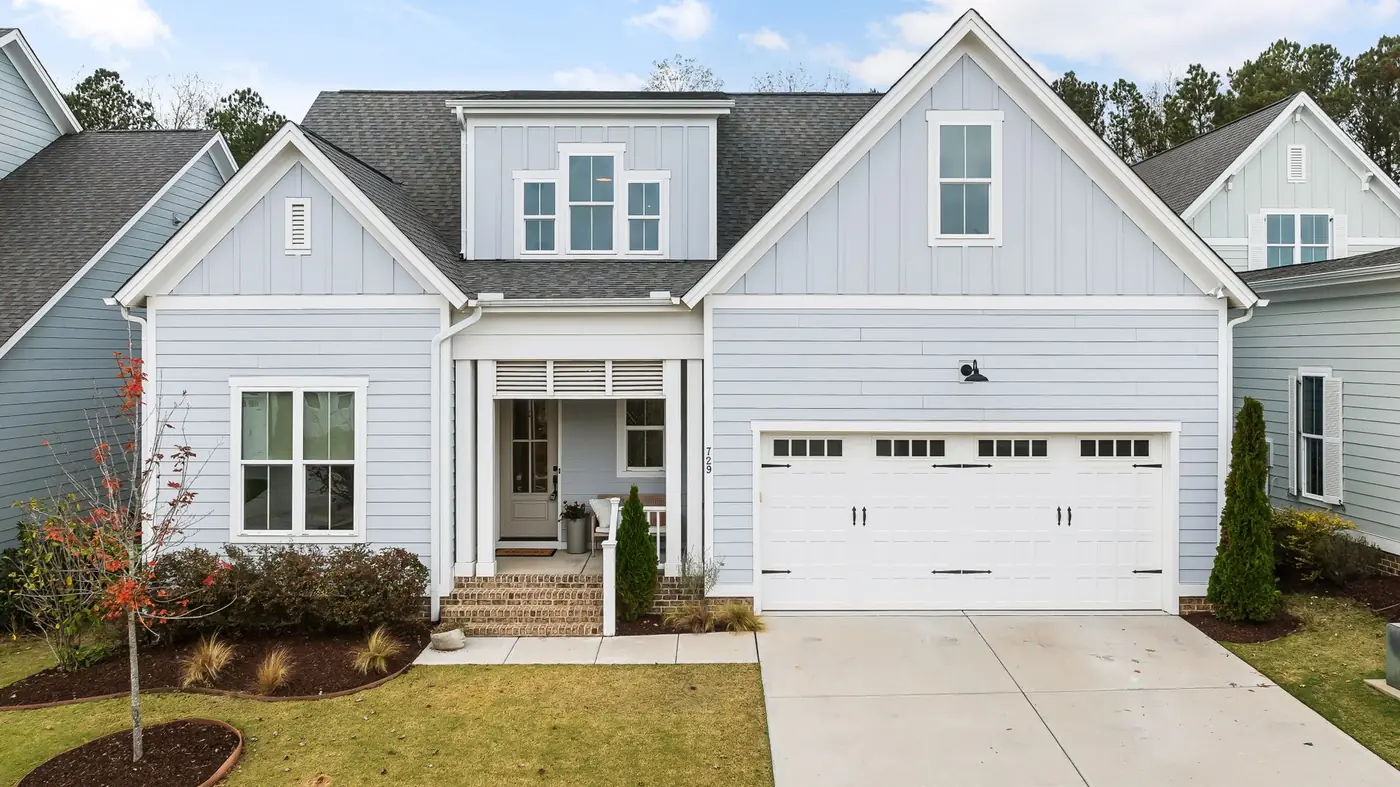
A pale blue board-and-batten house with white trim, a small covered porch and a white double garage door at the end of a broad concrete drive
Most Connecticut stock is old. Which end of the market your house sits at changes what a buyer's lender will ask for.

We Buy Houses Across Connecticut

Select a city to learn more

Want to see the number before you decide anything?Tell us the address. The offer is free, there is nothing to sign, and if listing would net you more we can usually say so, and in Connecticut we say it often.
Get My Cash Offer or call (833) 330-1625

Cash Home Buyers Across Hartford, New Haven, Stamford and Every Connecticut Market

Connecticut is small and it is not one market. The Gold Coast around Stamford and Norwalk is priced against New York City. Hartford and the valley cities run on insurance, healthcare and what is left of manufacturing, at a fraction of shoreline prices. New Haven runs on a university and a hospital system, and the south-east runs on the submarine base and the shipyard. We operate across all of it.

Shingled and clapboard houses along a calm waterfront under a bank of red and orange autumn trees, with a small boat at a dock
Waterfront Stamford, which is one of this state's markets and not the average one. Hartford and Waterbury price quite differently.

Hartford

Capitol Region

The capital, on insurance, healthcare and state government. Dense older stock including a great deal of two and three-family housing, at prices well below the shoreline towns a half hour away.

Sell Your House in Hartford →

New Britain, Bristol and the Capitol Ring

Capitol Region

New Britain, Bristol and the towns around them. Manufacturing stock and manufacturing housing, largely pre-war, and some of the most affordable ownership in the state.

Sell Your House in New Britain, Bristol and the Capitol Ring →

Stamford and Norwalk

Western Connecticut

The Gold Coast, priced against New York City rather than against the rest of Connecticut. The highest prices and the most competitive bidding in the state, and a buyer pool that mostly commutes.

Sell Your House in Stamford and Norwalk →

Danbury and the Western Hills

Western Connecticut

Inland from the shoreline and still within reach of New York, with a mix of older village stock and newer building on larger lots.

Sell Your House in Danbury and the Western Hills →

Bridgeport and Trumbull

Greater Bridgeport

The largest city in the state and the suburbs immediately behind it. A great deal of nineteenth and early twentieth century multifamily stock, and two price levels within a few miles of each other.

Sell Your House in Bridgeport and Trumbull →

New Haven

South Central Connecticut

A university and a hospital system driving the whole market, with a rental cycle on the academic calendar and some of the finest and oldest housing stock anywhere in the state.

Sell Your House in New Haven →

West Haven, Milford and the Shoreline

South Central Connecticut

West Haven, Milford and Wallingford. Shoreline and near-shoreline towns where flood zone, elevation and whether a property can be insured decide sales more often than the kitchen does.

Sell Your House in West Haven, Milford and the Shoreline →

Waterbury and the Naugatuck Valley

Naugatuck Valley

Waterbury, Naugatuck, Ansonia, Derby and Shelton. Old brass-mill cities with dense, ageing stock and the lowest prices in the state, alongside Shelton, which prices quite differently.

Sell Your House in Waterbury and the Naugatuck Valley →

Meriden and Middletown

South Central Connecticut and the Lower Connecticut River Valley

Two river-valley cities between Hartford and New Haven, each with its own employment base and neither following the other.

Sell Your House in Meriden and Middletown →

New London and Norwich

Southeastern Connecticut

The submarine base, the shipyard and the casinos drive this corner, and it behaves quite separately from the rest of the state. A large share of households that rotate through on a posting.

Sell Your House in New London and Norwich →

Willimantic and the Quiet Corner

Southeastern Connecticut

The north-east, on a university, agriculture and what is left of the mills. Thin buyer pools over a rural area, which is often what makes a cash sale the only realistic one.

Sell Your House in Willimantic and the Quiet Corner →

Storrs and Torrington

Capitol Region and the Northwest Hills

Storrs runs on the state university and its rental calendar. Torrington anchors the Litchfield Hills, with older stock, larger lots and long distances between towns.

Sell Your House in Storrs and Torrington →

Connecticut Regions We Cover

From Western Connecticut and Greater Bridgeport along the shoreline to Southeastern Connecticut, and inland through the Capitol Region, the Naugatuck Valley, South Central Connecticut, the Lower Connecticut River Valley and the Northwest Hills, our city pages span the state, and we evaluate property anywhere in Connecticut. Being inside the footprint is not the same as an offer. Location, property type, condition, marketability, title and our current buying criteria all decide whether we can make one.

Capitol Region
Greater Bridgeport Region
Lower Connecticut River Valley Region
Naugatuck Valley Region
Northwest Hills Region
South Central Connecticut Region
Southeastern Connecticut Region
Western Connecticut Region
Do not see your town on the list?We evaluate property anywhere in Connecticut, not only the cities with their own page.
Get My Cash Offer or call (833) 330-1625

Connecticut Cities We Serve

Communities from the New York line to the Rhode Island border. Our busiest Connecticut markets are Hartford, Bridgeport, New Haven, Stamford, Waterbury, Norwalk, Danbury, New Britain, Meriden and Middletown. Select your city for local detail.

Bridgeport-Stamford area
New Haven area
Waterbury area
Hartford area
Norwich area
Other Connecticut communities

What a cash sale in Connecticut actually costs you

A cash offer comes in below what a prepared house would fetch on the open market. You are trading price for speed, an as-is sale and a much shorter list of things that can go wrong. Whether that trade makes sense depends on the condition of the house and what waiting is costing you.

Below is the honest comparison. Read the last two rows as carefully as the first ones.

 Listing with an agentEagle Cash OfferEagle Retail Max
Typical timelineAbout 40 days on market, then 30 to 45 days to closeRoughly 21 to 42 daysLonger than a cash offer, and driven by the end buyer
Agent commission 5% to 6% of $474,026About $23,700 to $28,400 from your proceedsNone from youNone from you. Eagle covers applicable commissions
Closing costs other than transfer taxSeller pays a shareEagle pays themEagle pays them
Conveyance tax at 1.0% on an ordinary residential sale, mortgage payoff, prorated property taxes, recording feesYoursYours, except the recording fees, which Eagle paysEagle pays the conveyance tax and the recording fees. The rest is yours
Repairs before saleOptional, but selling as-is usually narrows the buyer pool and the priceNone. Sold as-isNone from you. Eagle covers approved repair and concession costs
ShowingsOngoing, on the buyer's scheduleProperty review and inspection onlyRequired. Normally scheduled 24 hours ahead when occupied
Financing riskA buyer’s loan can fail on underwriting, appraisal or property conditionNo lender on our sideDepends on the end buyer
Likely proceedsHighest, if the house is market ready and you can waitLowest of the threeBetween the two

Commission figure uses the Connecticut median sale price of $474,026 as of August 2026 and a typical 5% to 6% rate (it varies by market), for illustration only. Your numbers will differ. The conveyance tax has a state portion of 0.75% and a municipal portion of 0.25%, so 1.0% in total on an ordinary residential sale under $800,000, rising to 1.25% on the part between $800,000 and $2.5 million and 2.25% above that, and certain municipalities may add up to a further 0.25%. Nothing we read names a payer, so who bears it is settled by your purchase contract and is negotiable. We have not read the exemptions and make no claim about them. And read this honestly: in a market where the typical Connecticut house sells above its asking price, that commission frequently recovers more than it costs. Which structure fits depends on the property, your equity and your timing, and the written agreement controls in every case.

Two things decide this, and they are worth separating: whether you have the time to wait a sale out, and whether you have the money to put the house right before it goes on. Where you have both, list it with a good local agent. We would rather say that up front than spend three weeks getting to the same answer. Where one of them is missing, a cash sale is not the consolation prize. It is often the better outcome and sometimes the only one that closes: a house that needs work you cannot fund, a tangled title, a real deadline, or a situation that takes the listing route off the table.

Greenwich and Willimantic are different markets entirely.We price against sales in your own area, because a statewide median tells you almost nothing about your street.
Get My Cash Offer or call (833) 330-1625

Connecticut Seller Situations: Foreclosure Complaints, Law Days, Shoreline Property, Multifamily and Divorce

These are the situations we run into most often in Connecticut, and what we can and cannot do about each one.

⚠ Served With a Connecticut Foreclosure ComplaintFind the return date before you do anything else

The single most useful thing you can do is look at the papers you were served and find the return date. A short deadline to file the appearance and foreclosure mediation certificate forms with the court runs from it, and without them the court cannot send the case to mediation. The laws section on this page sets out the detail.

Both forms should have been attached to the front of the writ, summons and complaint, along with a notice of foreclosure mediation. If they are not there, ring the court clerk. If you are not sure which date on the papers is the return date, ask the clerk or an attorney the same day rather than working it out yourself.

Mediation in Connecticut is not a formality: it covers reinstating the mortgage, and disposing of the property by other means including a short sale or a deed in lieu, and it generally holds the case up while it runs.

Send us the complaint and the date and we will tell you honestly whether a sale is realistic alongside all that. We cannot promise to stop a foreclosure or protect your credit, because that depends on your lender, the timing and whether a closing actually happens.

Related guide: How to Sell Your House Fast Before Foreclosure

🔒 Understanding Where Your Case Has Got ToThe moment to watch is title becoming absolute, not an auction

People who have dealt with a foreclosure in another state arrive expecting an auction date. Connecticut often does not have one.

In Connecticut a sale is ordered instead of a strict foreclosure, at the court's discretion. In a strict foreclosure, law days are set and when they run title passes without anything being sold. A judgment generally cannot be opened once title has become absolute, and the one narrow exception needs the agreement of every party who appeared.

So the question to put to your attorney is not “when is the sale” but “where are we against the law days, and has title become absolute”. We have not read the sections that set law days and we are not going to guess at how long you have.

What we can tell you is that in Connecticut acting early is worth a great deal, because the point of no return arrives quietly rather than with an auction notice.

Related guide: How to Sell Your House Fast Before Foreclosure

🌊 Shoreline Property, Flood Zones and InsuranceWhat actually stops a financed sale on the coast

From Greenwich round to Stonington, the thing that most often holds up a financed Connecticut sale is not the condition of the house. It is the flood zone, the elevation certificate and what an insurer will write.

Premiums along the shoreline have moved a great deal, and a house that would sell in a couple of weeks inland can sit while a buyer tries to get cover at a price their lender will accept. If you have an elevation certificate, a flood zone determination or a claims history, dig them out before you speak to anyone, including us.

Inland the equivalent issues are age and systems: a great deal of Connecticut stock is pre-war, with knob-and-tube wiring, an oil tank somewhere, plaster that has moved, and a roof on its third decade. We buy all of that regularly and would far rather know at the start than find it at inspection.

Related guide: How to Sell a House As Is

🔑 Two and Three-Family Houses, Tenants and StudentsWe buy occupied property

A tenant in place is not an obstacle and you do not need to remove anyone before talking to us. Existing leases generally survive a sale, and we would rather take the property with its tenancies intact than ask you to create a vacancy.

Connecticut has a large stock of two and three-family houses, particularly in Hartford, Bridgeport, New Haven, Waterbury and the valley cities, and a great many owner-occupiers here are also landlords of the other floors. New Haven, Storrs, Willimantic and Middletown all run student tenancies on an academic calendar, and the submarine base and shipyard around New London keep a large rotating rental market.

Bring the leases, the rent roll, the deposits and any arrears or disputes. Security deposits are the item most often overlooked and they have to be accounted for at closing.

Related guide: Selling a Rental Property With Tenants

💵 Divorce, Probate and Co-Owned PropertyBoth signatures, and the mediation deadline does not wait

A house is often the last asset to be settled and the one that keeps two people tied together after everything else is done. An estate, likewise, cannot convey clear title until the personal representative has authority to sell.

The practical constraint is authority: both owners on title normally have to agree to a sale, and we cannot proceed on one signature where two are required. Where attorneys are involved we are happy to work through them, and where a decree already specifies what happens to the house, send it across and we will work to what it says.

If a foreclosure complaint has been served while the two of you are still working things out, remember that the deadline for the mediation forms runs from the return date and does not pause for a decree or for probate. That is not a decision to leave to whoever happens to open the post.

We are not a party to the dispute and will not take a side in it. Our job is to give everyone the same number in writing so you can decide what to do with it.

Related guide: How to Sell an Inherited House

Asked in Connecticut

Are home prices dropping in Connecticut?

No. Connecticut is a strong sellers' market right now, and we would rather tell you that plainly than shade it.

In Redfin's August 2026 figures, the Connecticut median sale price was $474,026, up 7.7% on the year, on two months of supply. 55.8% of homes sold above list price, the sale-to-list ratio was 102.2%, and only 12.3% of listings took a price cut. The median time to go under contract was 40 days. Those are unusually strong figures, so we checked them against each other before publishing, and they hang together: two months of supply and few price cuts is what a market looks like where houses sell above asking.

If you have the time to wait a sale out and the money to put the house right first, list it. That will almost certainly net more than we can pay. We are the better fit when something stops a normal sale: a foreclosure case already under way, a two or three-family with tenants in place, or shoreline property with a flood-zone or insurance problem.

Have you been served with a foreclosure complaint?Look for the return date on the papers. A short deadline to file two forms runs from it, and without them the court cannot send you to mediation.
Get My Cash Offer or call (833) 330-1625

What Actually Happens on the First Call

People put off calling a company like ours because they do not know what they are walking into. Here is a real call, with the details that could identify anyone removed. We are not saying it was a Connecticut seller, because we do not attach cases to states they did not come from.

From our own call records

A man called about his wife’s house. She had sent the inquiry, he was out running errands, and he thought he would get things started. Our acquisition manager noticed the inquiry was in her name, asked whether she was unable to take part, and when the answer was no, she simply asked me to call, he stopped the conversation there. Not for a signature. We talk to the owner. They booked a three-way call for once he was home, around his drive rather than our calendar.

What that first call is for, in his words: it is pretty basic, really more for us to find out about the property and the condition it is in. No offer on the spot, no paperwork, no pressure.

Anonymised from a recorded call. No names, no location, no property details, because the record holds none and we do not invent them. This account ends where the record ends, with a follow-up scheduled.

Connecticut Real Estate Laws Every Seller Should Know

In Connecticut title to your house can pass without anything being sold, and the deadline that matters is fifteen days long. Here is what generally applies before you sell, in plain language.

Before Any State Clock Starts: the Federal 120-Day Rule

Every state timeline on this page sits behind a federal one, and it is the single most useful thing to know if you have missed payments. Under Regulation X, 12 CFR 1024.41(f)(1), a mortgage servicer generally “shall not make the first notice or filing” required for a judicial or non-judicial foreclosure unless the borrower's mortgage loan obligation is more than 120 days delinquent.

That is roughly four months of missed payments before the state process is even allowed to begin. It is why a state sequence that looks alarmingly short on paper is usually longer in practice than the statute alone suggests.

The exceptions, because they are real. The rule does not apply where the foreclosure is based on a violation of a due-on-sale clause, or where the servicer is joining the action of a superior or subordinate lienholder. Small servicers are not exempt from this particular prohibition. Loan types and servicing arrangements vary, and some loans are outside Regulation X altogether.

So treat 120 days as the general floor rather than a guarantee, and work from the dates on your own paperwork. If a notice has arrived and you do not believe you are past that point, that is a question worth putting to a HUD-approved housing counselor or an attorney before you do anything else.

Fifteen Days From The Return Date, And Two Forms

If you have been served with a foreclosure complaint on a home in Connecticut, the most valuable thing you can do this week takes two forms and a deadline most people never notice.

Under Conn. Gen. Stat. 49-31l, the lender is required to attach to the front of the writ, summons and complaint served on you a notice of foreclosure mediation, a foreclosure mediation certificate form and a blank appearance form. The court sends its own notice within three business days of the writ being returned. That notice instructs you to file the appearance and mediation certificate forms with the court “not later than the date fifteen days from the return date for the foreclosure action”.

And then the sentence that decides it. Section 49-31l(d) says that if the court does not receive those forms from you by fifteen days after the return date, “the court shall not assign the case to mediation”.

It is not thirty days and it is not sixty. The return date is printed on the papers you were served. Find it, and if you are not sure which date it is, ring the court clerk or an attorney the same day.

What it buys you. Under 49-31l(f) the lender generally cannot proceed to judgment until the mediation period has expired or terminated, and where fewer than eight months have run from the return date, until fifteen days after that termination and any pending extension motion has been heard and denied. The program is the Ezequiel Santiago Foreclosure Mediation Program, run in every judicial district under 49-31m, and it covers reinstatement, disposition of the property by other means including short sales and deeds in lieu, and the assignment of law days.

How long it lasts. Under 49-31n the period ends after the third mediation session or when more than seven months have elapsed since the return date, whichever comes first. Any party may move for an extension within fifteen days of the conclusion, and the court may grant one additional session per motion.

The federal rule above generally sits in front of this whole sequence. Free HUD-approved housing counseling is available before you commit to anything, including to us.

Official source: Conn. Gen. Stat. §§49-31l to 49-31n

Here, Title Can Pass Without Any Sale At All

Connecticut does something almost no other state does, and it changes which moment a seller should be worried about.

The default is strict foreclosure. Section 49-24 says liens and mortgages may be foreclosed “by a decree of sale instead of a strict foreclosure at the discretion of the court”. Read that the right way round: the sale is the alternative, ordered if the court decides to order it. In a strict foreclosure there is no auction. Law days are set, and when they run, title passes.

The same section adds a second route, foreclosure by market sale, available on a first mortgage on the lender's written motion “and with consent of the mortgagor”. We have not read the sections that set out how that process works, so we are telling you only that it exists and that it cannot happen without your agreement.

The moment that matters is title becoming absolute. Under 49-15 a strict foreclosure judgment can be opened at the court's discretion, on motion and for cause shown, “provided no such judgment shall be opened after the title has become absolute in any encumbrancer” except in one narrow case. That case, in 49-15(a)(2), requires the agreement of every party who filed an appearance and of anyone who has acquired an interest since, and it can only be done within four months of the judgment or thirty days of title becoming absolute, whichever is later, with everyone's rights restored to where they stood. Whoever moves must then record a certified copy of the order on the town land records.

One automatic exception: under 49-15(b), if the mortgagor files a bankruptcy petition, a strict foreclosure judgment “shall be opened automatically without action by any party or the court”, other than the provisions establishing law days, and again not after title has become absolute.

What that means in practice. In most states the auction is the deadline. Here it is the day title becomes absolute, and after that almost nothing can be undone without everybody agreeing. If you are going to act, act early. We have not read the sections that set law days, so we are not putting a number on how long you have. Ask a Connecticut attorney with the file in front of them.

Official sources: Conn. Gen. Stat. §49-24 and §49-15

The Shortfall, And What A Sale Costs

Connecticut starts from an unusual place on the debt. Section 49-1 says the foreclosure of a mortgage “is a bar to any further action upon the mortgage debt, note or obligation” against those liable who were made parties to the foreclosure, and against anyone on whom process “could have been made within this state” when it began. The carve-out matters and we will not leave it out: the same sentence says the foreclosure is not a bar as to anyone liable on whom service could not have been made in Connecticut at that time: an out-of-state guarantor, for instance.

A shortfall is claimed through one specific motion, on a short clock. Under 49-14, “at any time within thirty days after the time limited for redemption has expired, any party to a mortgage foreclosure may file a motion seeking a deficiency judgment”. It goes to an evidentiary hearing held not less than fifteen days after filing. At that hearing “the court shall hear the evidence, establish a valuation for the mortgaged property and shall render judgment for the plaintiff for the difference, if any, between such valuation and the plaintiff's claim”. And then: “The plaintiff in any further action upon the debt, note or obligation, shall recover only the amount of such judgment.”

So the figure is set by the court's valuation, not by the lender's number, and the judgment caps everything afterwards. We have not read anything that defines “the time limited for redemption”, so we are not putting a date on when those thirty days start. That is a question for a Connecticut attorney.

What a sale costs you. The conveyance tax under 12-494 comes in two parts on any deed where the consideration is $2,000 or more: a state portion of 0.75% and a municipal portion of 0.25%. For an ordinary residential sale under $800,000 that is 1.0%, or about $4,740 at the August 2026 statewide median. Above $800,000 the state portion rises to 1.25% on the part between $800,000 and $2.5 million and 2.25% above that, and non-residential property other than unimproved land is charged at 1.25%. Certain municipalities may add up to a further 0.25% under 12-494(c), so check your own town.

Two more points. Section 12-494(b)(3) keeps the state portion at 0.75% where property on which mortgage payments have been delinquent for at least six months is conveyed to the financial institution that holds that mortgage, which is worth knowing if a deed in lieu is on the table. And on who pays: nothing we read in 12-494 or 12-497 names a payer. 12-497 simply makes payment a condition of recording, so it is settled by your purchase contract and is negotiable like any other closing item. We have not read the exemptions in 12-498 and make no claim about them.

Official sources: Conn. Gen. Stat. §49-1 and §49-14 and §12-494

General information, not advice. This section describes Connecticut practice in general terms and was checked in September 2026 against the Connecticut General Statutes as published by the Connecticut General Assembly. Laws, timelines and local procedures change, and how any of it applies to your property depends on facts we have not seen. It is not legal, tax or financial advice, and it is no substitute for talking to a Connecticut attorney, accountant or HUD-approved housing counselor about your own situation.
Has title already become absolute?In Connecticut that is the moment that matters, not the sale. Find out where your case is before you do anything else.
Get My Cash Offer or call (833) 330-1625

Connecticut Housing Market Snapshot

Connecticut is a strong sellers' market right now, and that is the most important thing on this page for most people reading it. Figures below are Redfin statewide data for August 2026.

Connecticut statewide figures, Redfin, August 2026. Recheck before relying on them.
MeasureLatestSource
Median sale price$474,026Redfin, August 2026
Median days on market40 daysRedfin, August 2026
Year-over-year price change+7.7%Redfin, August 2026
Months of supply2 monthsRedfin, August 2026
Homes selling above list price55.8%Redfin, August 2026
Sale-to-list price ratio102.2%Redfin, August 2026
Autumn foliage in a coastal park, with red and gold trees along a path and open water beyond
With two months of supply, the typical Connecticut house is selling for more than it was asking.

In Connecticut we tell most people to list

We would rather say this at the top than bury it. In August 2026 the Connecticut median sale price was $474,026, up 7.7% on the year, with months of supply at two. 55.8% of homes sold above list price and the sale-to-list ratio was 102.2%, and only 12.3% of listings took a price cut. Those are extreme numbers, so we checked them against each other before publishing rather than simply repeating them. They hold together: two months of supply with the lowest price-cut share in our data is exactly what a market where houses sell above asking looks like.

What that means for you is straightforward. If your house is saleable and you have any time at all, the open market will very probably beat a cash offer here, and we can usually tell you so when you call. A cash sale is priced for speed and certainty, and in a state where the typical house is already selling for more than it asked, there is less speed to buy. The cases where we are still the better answer are the ones where price is not the binding constraint: a foreclosure complaint already served or law days approaching, a shoreline property nobody will insure sensibly, a two or three-family with tenants and deferred maintenance you cannot fund, an estate that needs certainty more than it needs the last few thousand, or a title problem that stops any sale at any price.

If a foreclosure complaint has already been served, the return date on the papers matters more than any market figure, and the laws section on this page explains why.

Selling Just Over the Connecticut Line?

Plenty of Connecticut sellers own a second property, an inherited house or a former rental across a border, and the rules change the moment you cross it. In Connecticut title can pass with no sale at all. Its neighbors do not work that way. We evaluate property in all of these.

New York

West and south-west, and the whole Gold Coast is really priced against it. New York runs a judicial foreclosure with its own settlement conference requirement and its own timetable, and title does not pass there the way it can here. Do not carry anything on this page over the line. See White Plains or Yonkers or New York, NY.

Massachusetts

North, and the Springfield area trades across the line with north-central Connecticut daily. Massachusetts works through a power of sale rather than a court judgment in the ordinary case, which is a completely different sequence from strict foreclosure. See Springfield or Worcester or Boston.

Rhode Island

East, and the closest markets to the Quiet Corner and the eastern shoreline. Rhode Island has its own procedure, covered on its own page, so treat nothing on this page as applying there. See Providence or Warwick or Cranston.

What Sellers Say About Working With Us

Matt RanjoRated 5 out of 5
We sold our home to Eagle Cash Buyers. We needed to sell to an investor because we could not afford the cost of repairs. Eagle Cash Buyers stuck to the agreed on price even after finding more damage with the house than originally discussed. Oren communicated with us every step of the way. Thanks to Eagle Cash Buyers for buying our house and helping us move on with our life.
Jakquese MingoRated 5 out of 5
Allan was very helpful and the process was fast and easy. I highly recommend.

4.5 from 40 reviews on Google · read them all

2019

Founded, and headquartered in Columbus, Ohio.

1,000+

Transactions since 2019 across a 43-state footprint. Coverage does not mean every property qualifies.

A+

Eagle Cash Buyers, LLC is BBB Accredited with an A+ rating. Accreditation is not an endorsement. See the profile.

Ready to See What a Connecticut Cash Sale Looks Like?

Sold as-is. No agent commission. Most transactions close in roughly 21 to 42 days.

Get My Free Cash Offer

Or call us: (833) 330-1625

Connecticut Home Selling Questions, Answered Straight

Real answers about Connecticut law, timelines and how the process actually works here.

How fast can you close on a Connecticut home?

Most Eagle transactions close in roughly 21 to 42 days. The timeline depends on title readiness, liens, payoffs and the property review. If you have been served with a foreclosure complaint, send us the papers and tell us the return date, because the deadline that matters most in Connecticut runs from it.

What is the fastest I can realistically sell?

To a buyer who does not need a mortgage, does not need the house repaired first and can work to a title company's timetable, it is usually 21 to 42 days. What it is not is same-day or 24 hours, and we would be wary of anyone promising that. Title work, existing liens, mortgage payoffs and the property review all take real time. Worth saying plainly in Connecticut: a listed home here is going under contract in a median of 40 days, with 55.8% of homes selling above asking, so speed is a weak argument for selling to us here.

I have been served with a foreclosure complaint. What is the deadline?

Fifteen days from the return date, which is printed on the papers you were served. By then the appearance and foreclosure mediation certificate forms have to be with the court, or the court shall not assign your case to mediation. Both forms should have been attached to the front of the papers. If you are not certain which date is the return date, ring the court clerk or an attorney the same day, and see the laws section on this page for the detail.

Is there an auction date in a Connecticut foreclosure?

Often there is not, and this surprises people who have dealt with a foreclosure elsewhere. Connecticut's default is strict foreclosure, in which law days are set and title passes when they run, with nothing sold at all. A sale is the alternative, at the court's discretion. We have not read the sections that set law days, so we are not putting a number on how long you have.

Can my lender come after me for the shortfall?

The starting point is favourable, with one real exception. In Connecticut the foreclosure itself generally bars any further action on the debt against those liable who were made parties to it, but not against someone who could not have been served in the state when it began, so an out-of-state guarantor may be in a different position. Any shortfall is claimed by a deficiency motion in the foreclosure, with the court setting the valuation. The laws section on this page has the detail.

What is the conveyance tax when I sell in Connecticut?

It comes in two parts. Connecticut imposes a state portion of 0.75% and a municipal portion of 0.25% on each deed where the consideration is $2,000 or more. For an ordinary residential sale under $800,000 that is 1.0% in total, or about $4,740 at the August 2026 statewide median of $474,026, worked out here from the statutory rates. Where a residential estate sells for $800,000 or more the state portion is 0.75% up to $800,000, 1.25% on the part between $800,000 and $2.5 million, and 2.25% above that. Non-residential property other than unimproved land is charged at 1.25%. Certain municipalities may add up to a further quarter of one per cent, so check your own town.

Who pays the conveyance tax, the buyer or the seller?

Nothing we read names a payer. The statute imposes the tax on the deed itself and makes payment of the tax and filing of the return a condition of the deed being recorded, but the text we checked does not assign it to one side. In practice it is settled by your purchase contract, which means it is negotiable like any other closing item, so read what yours says before you compare two offers. One provision worth knowing if a deed in lieu is on the table: the state portion stays at 0.75% where property on which mortgage payments have been delinquent for not less than six months is conveyed to the financial institution that holds that mortgage. We have not read the exemptions and make no claim about them.

How much would a real estate agent make on a $300,000 house?

At a 5.5% total commission, about $16,500 on a $300,000 sale, usually split between the listing and buyer-side brokerages and then again with the individual agents. That is the arithmetic, and it is a real cost. Here is the part a cash buyer's website usually leaves out: in Connecticut right now the typical house is selling for more than its asking price, with a sale-to-list ratio of 102.2% and 55.8% of homes going above list. In a market like that, competent marketing and a competitive process frequently recover more than the commission costs. We are not saying always, and we are not saying for every house. We are saying you should do that sum honestly before assuming the commission is money wasted.

Should I just list it instead?

In Connecticut right now, probably yes, and we would rather lose the deal than mislead you about it. It turns on two things: whether you have the time to wait a sale out, and whether you have the money to put the house right before it goes on. In a market with two months of supply, 55.8% of homes selling above asking and a 102.2% sale-to-list ratio, a saleable house with a seller who has any time at all will usually do better on the open market than with us. Where one of those two conditions is genuinely missing, a cash sale becomes the better answer and often the only one that closes: a foreclosure complaint already served with the mediation deadline running or title about to become absolute, a shoreline property no insurer will quote sensibly, a two or three-family with tenants and deferred maintenance you cannot fund, an estate that needs certainty rather than the highest number, or a title problem that has to be cleared before anyone can buy at any price.

Oren Sofrin

Reviewed by Oren Sofrin, Founder and CEO of Eagle Cash Buyers

Oren has more than ten years in real estate, and he and the Eagle team have completed over 1,000 transactions. His market commentary has been quoted by MSN, Yahoo Finance, GOBankingRates and BiggerPockets. Last reviewed October 2026.

See How We Calculate Your Connecticut Cash Offer

Get My Cash Offer →