
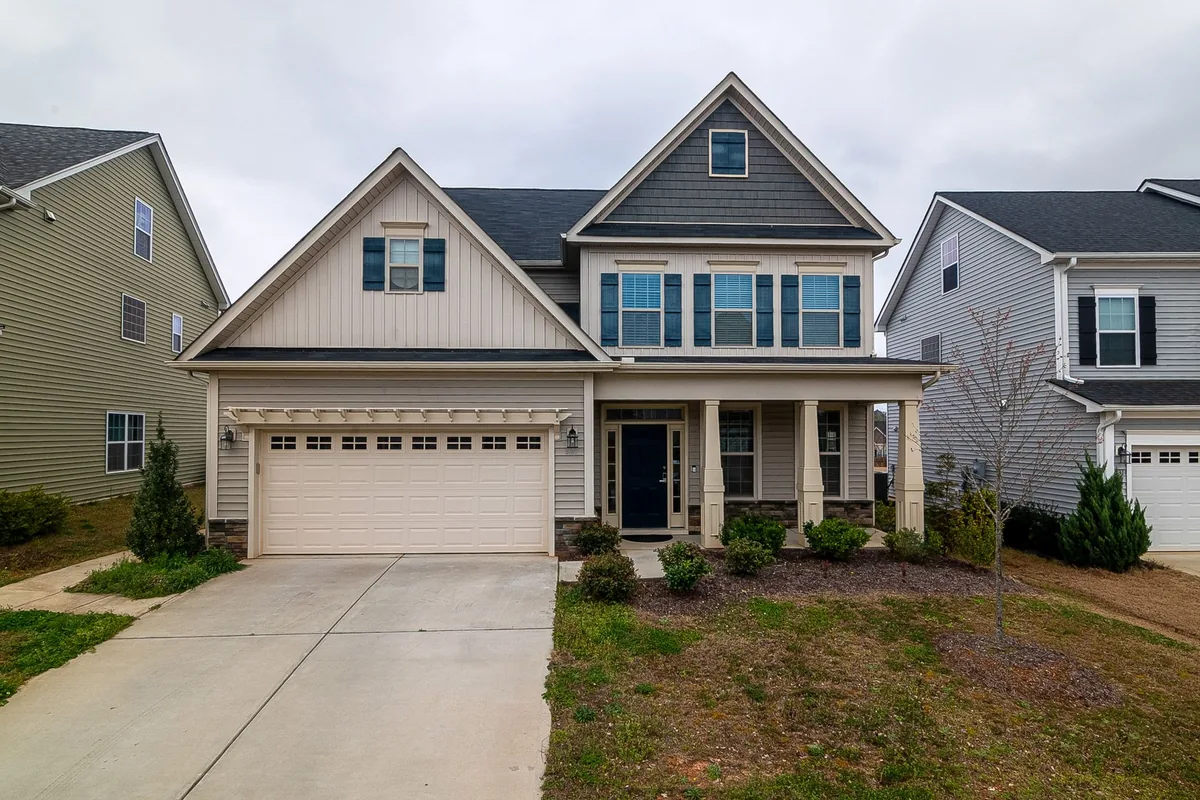
When your listing expired without a sale, the agreement with that brokerage generally ends on the date written in it. You can then relist, change agents, take the house off the market, rent it out or sell it as-is to a cash buyer. Read your agreement's protection clause first. The right choice comes down to why the house didn't sell and how long you can afford to wait.
Your phone may already be ringing with agents who noticed. Don't sign anything yet. Work out what went wrong and what the old agreement may still require, then decide whether selling for cash beats another try on the market (sometimes it doesn't).
Why Didn't My House Sell?
A house that goes through a full listing term unsold often has a specific problem: the price, the condition, the marketing or the access. What happened during the listing is your best clue, so ask your old agent for the showing count, the buyer feedback and the recent comparable sales. For a benchmark, the National Association of Realtors' September 2026 existing-home sales report (released 13 October 2026, checked November 2026) put median time on market at 33 days and unsold inventory at a 4.8-month supply. Your market may run slower than that.
| What happened during the listing | What it often points to | What to try |
|---|---|---|
| Few showings | The asking price, or weak photos and description | Check the price against recent sales nearby and redo the photos |
| Plenty of showings, no offers | Price or condition compared with other homes buyers saw | Read the feedback, then cut the price or fix what buyers kept mentioning |
| Offer collapsed after the inspection | Repairs the buyer wouldn't accept | Price the repairs, then fix them or price them in |
| Offer collapsed at the appraisal or the buyer's lender | A value gap, or repairs a lender wants done first | Repair the item, or look for buyers who aren't using that loan |
| Hard to show | Tenants, tight access or a far-away owner | Set a simple showing routine, or skip showings altogether |
What Happens When a Listing Expires?
Your signed agreement and your state decide most of it. Minnesota Statutes section 82.66 (checked November 2026), for example, requires a definite expiration date in a listing agreement.
The catch is the protection clause. You may also see it called an override clause, and it can leave your old broker a claim to a commission if you later sell to a buyer connected to the listing. These clauses differ a lot. Minnesota's statute shows the kind of limits a state can set for a home listing: no more than six months after expiration, a protective list of buyers furnished within 72 hours after expiration, and a required notice that you won't owe the old broker if you have signed another valid listing that obligates you to pay a different licensee. Your state and contract may differ.
So before you sign with anyone, including a cash buyer, find the expiration date, the length of the protection period and any list of buyers your old agent sent you. Not clear? Ask a real estate attorney.
Your Options After an Expired Listing, Compared
| Option | Time | Money | Work for you | Main risk |
|---|---|---|---|---|
| Relist with changes (same or new agent) | Time on market, then the buyer's closing process | Commission (usually between 5% and 6% of the sale price; it is negotiable and depends on the agent), repairs, carrying costs | Repairs, cleaning, showings | It sits again, or a buyer's financing fails |
| Sell it yourself | Depends on your marketing | Marketing, maybe a buyer's agent fee | Nearly all of it | Pricing and paperwork fall on you |
| Rent it out | Finding a tenant, then the lease term | Repairs, insurance, possibly a manager | Being a landlord | Vacancies, damage, tax changes at a later sale |
| Take it off the market and wait | Your call | Mortgage, taxes, insurance, upkeep | Keeping the house up | Costs add up while nothing changes |
| Sell as-is to a cash buyer | Weeks, set mostly by title work and payoffs | A price usually below what a fully repaired home could reach, any transfer tax your agreement assigns to you, and carrying costs until closing | Paperwork and a walkthrough | A lower price, and title or lien problems can still delay a sale |
When Relisting Makes Sense
Two things decide this: time to wait out another listing, and money to put the house right first. Have both? List it again with a good local agent. If listing would net you more, we can usually say so. It works best when the problem is fixable, like the price or the photos. Ask each agent you interview why the house didn't sell and what they would change, then hold their answers up against the comparable sales you collected.
When Renting or Waiting Costs More Than It Looks
Renting has a tax side that can surface late. IRS Publication 523 (for 2025 returns, checked November 2026) says that if you meet certain conditions you may exclude the first $250,000 of gain, or $500,000 for a married couple filing jointly. Two of those conditions are owning the home and living in it for at least 24 months of the 5 years before the sale. Rent the house long enough and you can fall out of that window, and you also can't exclude the part of your gain equal to depreciation allowed or allowable for periods after May 6, 1997. Ask a tax professional first.
Waiting has its own bill. The Texas Department of Insurance home insurance guide (checked November 2026) says most companies stop coverage once a house has been vacant for 60 days or more, though liability coverage usually continues. Other states and policies differ. Call your insurer before the house sits.
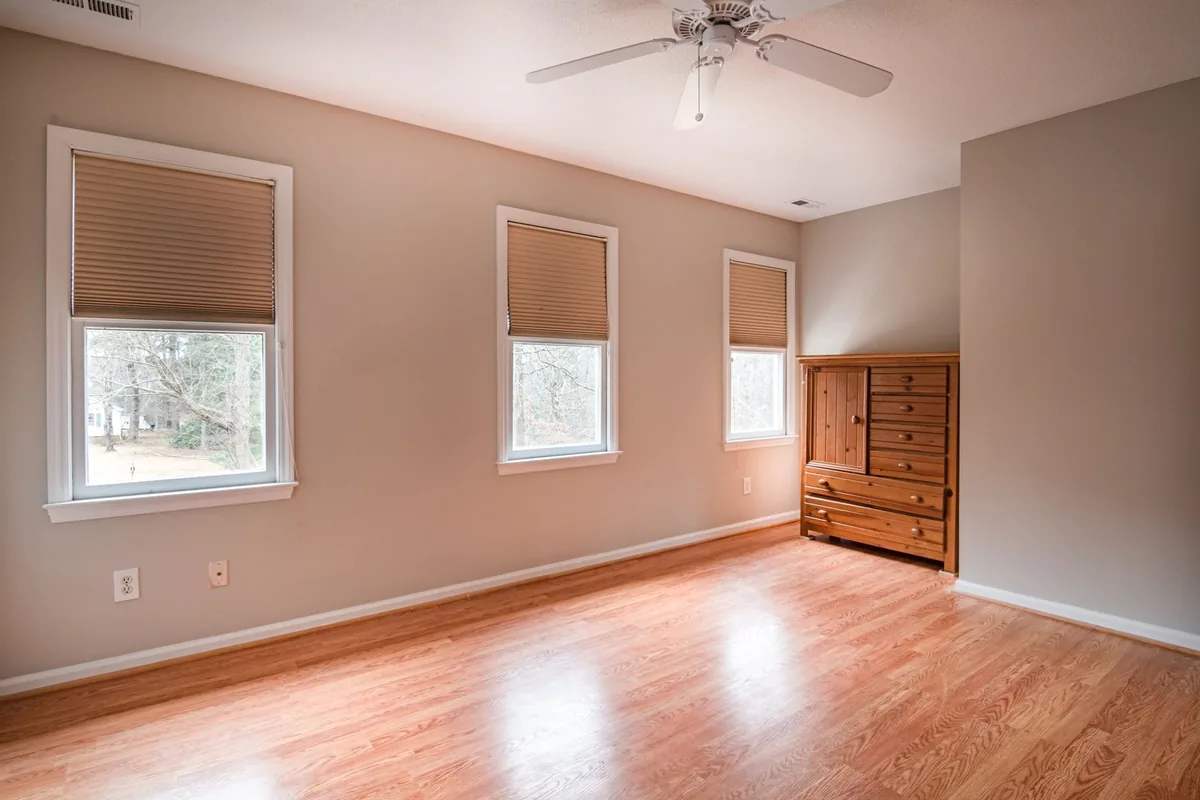
In the seller files Eagle documented in 2026, about one in four houses were already vacant at the sale, and about one in eight sellers lived far from the property. These are sellers who contacted a cash buyer, not a representative sample of home sellers. Vacancy has its own costs: taxes, insurance and deterioration, and in some files damage built up because nobody was there.
When a Cash Sale Makes More Sense
Where time or money is missing, you are no longer comparing list price with cash price, because the real comparison is a cash price now against months of carrying costs on a house a financed buyer may not be able to take. Some signs:
- Offers fell apart over repairs you can't or won't pay for.
- The house is vacant and costing you money each month.
- You have a real date to meet: a job, a move, a family need.
- You live far away, or you inherited the house and don't want to manage it.
In those same seller files, about one in three sellers were moving, more than one in five were dealing with an inherited house or an estate, and about one in ten houses were in severe condition. A seller can fit more than one of these.
Who buys a house that sat on the market? Direct cash buyers, franchise networks like HomeVestors and iBuyers like Opendoor and Offerpad use different models, so check any buyer before you sign. Eagle Cash Buyers, LLC is a real estate investment company registered in Ohio. Eagle does not charge you an agent commission when you sell your house directly to us. We evaluate properties in 43 states. We buy houses in any condition. Whether Eagle makes an offer depends on the area, the value and whether the numbers work, not on condition. Eagle may purchase the property itself or, if the purchase agreement permits, assign its contractual rights to another investor or purchasing entity. Any assignment right is stated in the agreement before you sign.
Tell us the address and a little about the house. We review it, may ask to walk through it, and send a written cash offer with no obligation. If you accept, a closing agent handles the title work and you choose the closing date. We can usually give you an initial offer within minutes to a few hours during business hours, once we have the necessary property information. At Eagle, our policy is to have everyone on the deed and every decision maker on the call when we present the offer, so they can decide together whether to move forward. Mention what happened during the listing, especially any inspection report. Most sales close in 21 to 42 days, or later if you need more time.
Eagle charges no fees, and the seller pays no repair costs and no closing costs. Your mortgage payoff, any liens and prorated property taxes are paid from the sale proceeds. On a standard cash offer the seller pays the transfer tax where one applies, and the purchase agreement states who pays. A cash offer is usually lower than the price a fully repaired home could reach on the open market, because the buyer takes on the repairs, the holding costs and the risk of reselling. You can have your own realtor or attorney read our contract and you can compare offers, and nothing is binding until you and Eagle sign a purchase agreement.
A middle route: Retail Max
Want more than a straight cash price, and can you wait? With Retail Max, Eagle's second option, we put the house under contract at an agreed price above our straight cash offer and market it to an end buyer. You pay no agent commission, no closing costs and no approved repair or concession costs, and Eagle pays the transfer tax. Your payoff, any liens and prorated taxes still come out of the proceeds. Showings are needed, usually scheduled 24 hours ahead when the house is occupied, and the timeline is longer because it depends on the end buyer and their financing. You usually net more than with a cash offer, but less than a full retail listing of a fixed-up house. It also puts the house back in front of buyers, so if price or condition is why it sat, ask us before you sign what happens if no end buyer comes through.
How to Compare a Cash Offer With Relisting
Compare what you would keep. On either route, whatever remains after the mortgage, any other liens and your share of the sale costs goes to you.
| Line | Relisting | Cash offer |
|---|---|---|
| Start with | The price you realistically expect now, based on recent sales | The written offer |
| Before the sale | Repairs, cleaning, staging | Nothing for repairs, if the agreement says so |
| Monthly costs | Mortgage interest, taxes, insurance and utilities for each month you expect it to take | The same costs, for the period until closing |
| At closing | Commission, your closing costs, any transfer tax, concessions | Any transfer tax your agreement assigns to you |
| From proceeds | Mortgage payoff, liens, prorated taxes | Mortgage payoff, liens, prorated taxes |
As an illustrative example only, a house costing $2,000 a month to carry adds $8,000 to the relisting column if a new try takes four more months. Be honest about the top line. If the house didn't sell at your last asking price, don't use that number unless something has changed, such as the repairs or the market. And if the price on either route won't cover your payoff, talk to your lender and an attorney before you sign anything. Our cost comparison walks through these lines in more detail, and the as-is page explains how selling without repairs works with us.
One point for any route. Selling as-is doesn't automatically remove disclosure duties under federal, state or local law, and neither does relisting. If a past buyer's inspection turned up a problem, ask a real estate attorney licensed in your state whether you now have to disclose it.
Eagle Cash Buyers is not a law firm, title company or tax advisor. This information is general and is not legal, title or tax advice. Laws, procedures and transaction costs vary by state and locality, and the purchase agreement and closing documents control each transaction.
Expired Listing FAQ
Can I relist my house right after the listing expires?
Generally yes, once the listing agreement has ended. Check the protection clause first. Relisting with no changes may not help much, because many homebuyers in your area may already have seen that real estate listing.
Why are agents calling me after my listing expired?
They saw the listing end and want the next one. After expiration, expect cold calling from real estate agents. You don't owe any of them a meeting.
Should I lower the price or wait?
Check the evidence. Price reductions tend to help when showings were thin or recent sales came in below your number. Waiting helps only if home prices or demand near you improve and you can cover the monthly costs until then. Nobody can promise that.
Do I owe my old agent a commission after the listing expires?
Possibly. Read your agreement. A protection clause can create a commission claim if you sell to a covered buyer during the protection period, and some agreements cover other charges, with terms that vary by contract and state.
Can I sell to a cash buyer if my listing just expired?
Generally yes, once the listing agreement is no longer in force. A cash offer from a buyer who didn't see the house during the listing is less likely to raise a protection-clause question, but some clauses are written broadly, so tell the title company, escrow holder or closing attorney about your old listing agreement early.