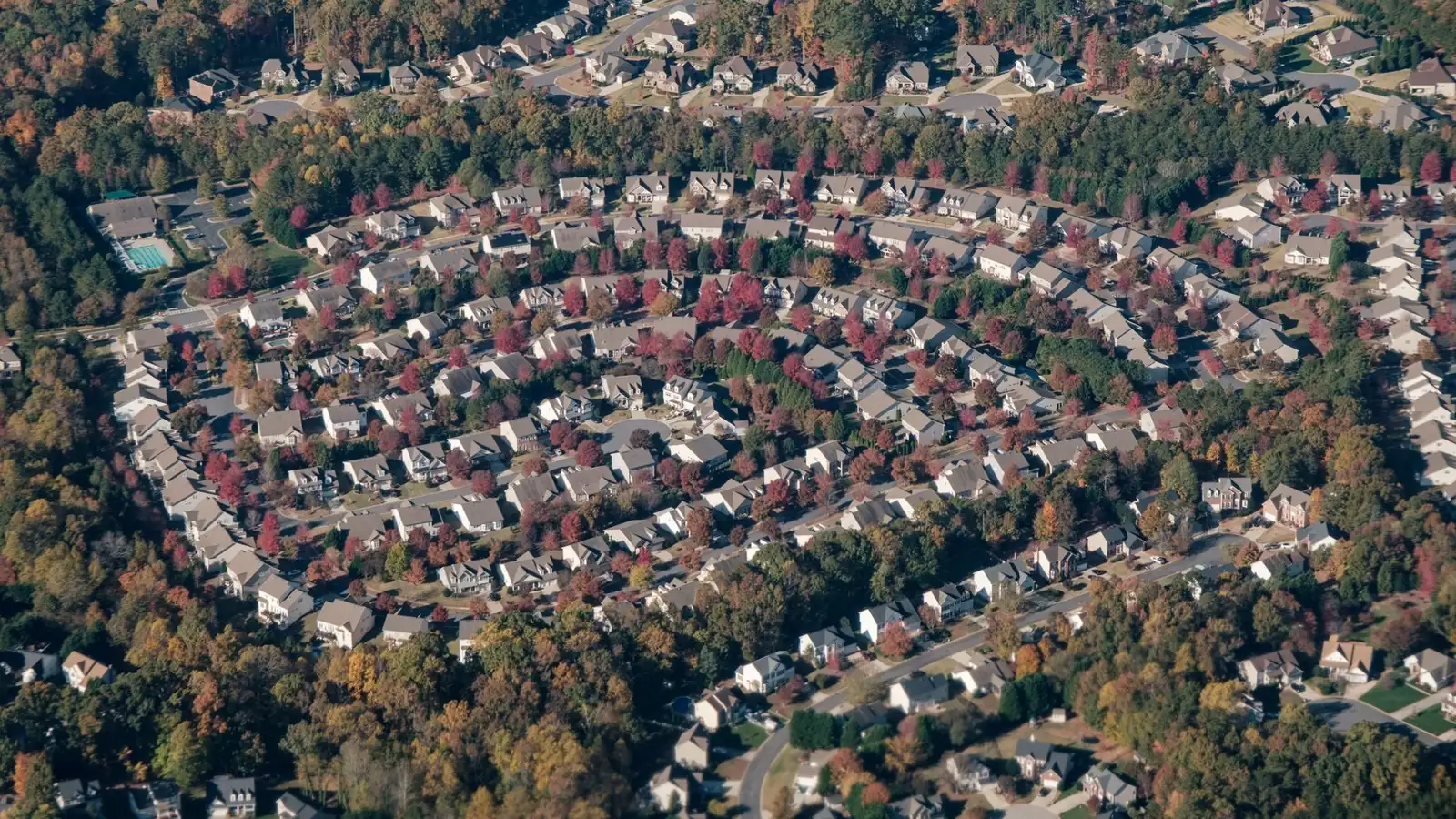
Aerial view of a curving suburban subdivision in Fort Mill, South Carolina, with autumn foliage between the houses
Questions? Call us: (833) 330-1625

Sell My House Fast in South Carolina: We Buy Houses for Cash, As-Is, Any Condition

Any condition, from the Upstate to the Lowcountry. Tell us the address and we will put a real number in writing, free, with nothing to sign.

Sold as-is, no repairs to fund Free, no-obligation offer No agent commission to pay All 46 South Carolina counties

Homeowners in 43 states can request a written cash offer from Eagle. In South Carolina that includes homeowners from Charleston and the Lowcountry up through Columbia to Greenville, Spartanburg, Rock Hill and the Grand Strand. South Carolina forecloses through a court rather than a trustee, which means there are filings and dates you can actually see, and one rule worth knowing early: the bidding at a foreclosure sale stays open for thirty days afterwards.

Question 1 of a few

What is the South Carolina address?

We price against sales in your own county, and Beaufort prices nothing like Orangeburg, so this is where we have to start. The next few questions cover condition, ownership and your timing.

Free, and nothing to sign. If a traditional listing would leave you with more, we will tell you.

Next: condition of the house, who is on the title, and the date you would like to close by.
Google Reviews BBB Accredited
  • A+BBB rating
  • 4.5from 40 Google reviews
  • 1,000+transactions completed
  • 43states we buy in

Oren Sofrin, as quoted inMSNYahoo FinanceGOBankingRatesBiggerPockets

Finding your cash offer...

How to Sell Your House Fast in South Carolina for Cash

Send us the address and enough detail about the property to work with. During business hours an initial no-obligation offer is often possible within minutes to a few hours, though plenty of houses need research, photographs or a walkthrough first. Most Eagle transactions close in roughly 21 to 42 days, depending on title readiness, liens, payoffs and the property review. If a foreclosure case has been filed, send us the dates from the docket rather than guessing at them. See how our sell my house process works, from your first call to closing.

1

Tell us about the house

The address on this page, or a call to (833) 330-1625. We ask about condition, who is on the title, what is owed and when you want to be out. Not your credit.

2

We underwrite, then put it in writing

Comparable sales in your county, what the repairs will cost us, and the resale risk. The written agreement states the price, the closing target and the contingencies.

3

Property review, title, closing

We inspect the house and open title. Payoffs, liens and ownership get verified. The title agency records the deed and disburses your proceeds.

Pastel-painted historic houses with black shutters behind palmetto trees on Rainbow Row in Charleston, South Carolina
In the historic districts and on the coast, age, flood zone and insurance decide whether a financed sale happens more often than the kitchen does.

We Buy Houses Across South Carolina

Select a city to learn more

Want to see the number before you decide anything?Tell us the address. The offer is free, there is nothing to sign, and if listing would net you more we can usually say so.
Get My Cash Offer or call (833) 330-1625

Cash Home Buyers Across Charleston, Columbia, Greenville, Myrtle Beach and Every South Carolina Metro

South Carolina is a coast, a middle and a set of Upstate manufacturing towns, and they behave nothing alike. Charleston and Beaufort trade on history and water, Greenville and Spartanburg on industry, the Grand Strand on tourism, and the Pee Dee on very little at all. We operate across all of it.

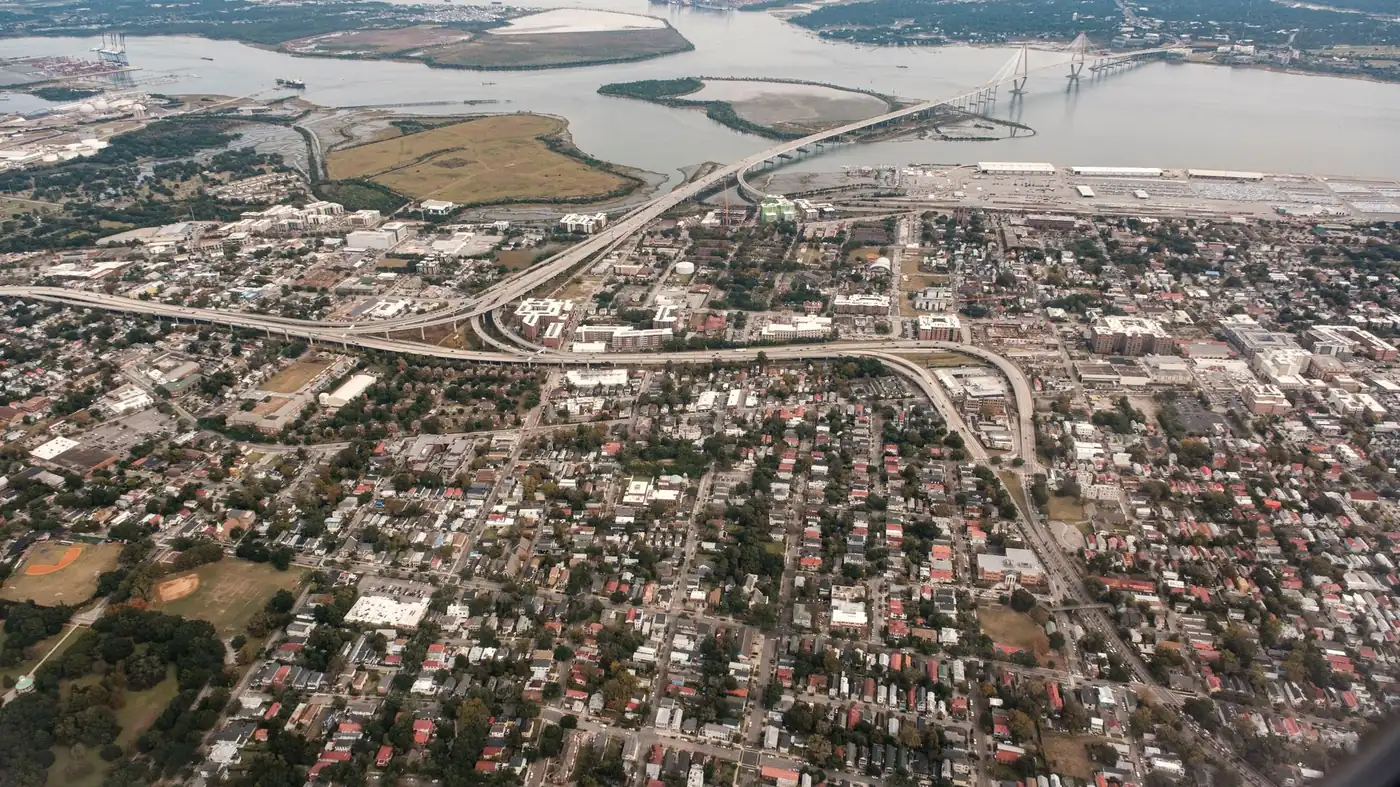
Aerial view of the Charleston peninsula, its dense residential streets, the harbour and the Arthur Ravenel Jr. Bridge beyond
Charleston, the Upstate and the Pee Dee behave like different markets, and a statewide median tells you little about any of them.

Charleston

Charleston County

The strongest prices in the state and a historic core where age, flood zone and insurance decide more than condition does. Older housing south of the Crosstown behaves nothing like the suburbs north of it.

Sell Your House in Charleston →

North Charleston and the Suburbs

Charleston, Berkeley and Dorchester Counties

North Charleston, Summerville, Goose Creek and Mount Pleasant. Where most of the Lowcountry actually lives, spanning post-war stock, the big new subdivisions and a large rental share.

Sell Your House in North Charleston and the Suburbs →

Greenville and the Upstate

Greenville, Spartanburg, Anderson and Pickens Counties

The manufacturing corner of the state, with a revived downtown, a broad price range and a housing stock that runs from mill villages to new building on the ring roads.

Sell Your House in Greenville and the Upstate →

Spartanburg and the I-85 Corridor

Spartanburg and Cherokee Counties

A separate market from Greenville despite the short drive, at noticeably lower prices, with a large stock of older housing and a great deal of warehouse and plant employment.

Sell Your House in Spartanburg and the I-85 Corridor →

Columbia and the Midlands

Richland and Lexington Counties

State government, the university and Fort Jackson. A steady market with a large single-family rental share and a constant flow of households posted in and out.

Sell Your House in Columbia and the Midlands →

Myrtle Beach and the Grand Strand

Horry and Georgetown Counties

Tourism, retirement and second homes, with a very large condominium stock. Insurance, assessments and regime health decide whether a financed sale happens more often than the kitchen does.

Sell Your House in Myrtle Beach and the Grand Strand →

Rock Hill and the Charlotte Fringe

York County

The northern edge of the state, where a great many owners work over the line and the market moves with Charlotte rather than with Columbia. Substantial newer building.

Sell Your House in Rock Hill and the Charlotte Fringe →

Beaufort and the Southern Coast

Beaufort County

Beaufort, Bluffton and the island communities. Retirement, second homes and a high share of property where elevation certificates and flood zone are the first questions a buyer asks.

Sell Your House in Beaufort and the Southern Coast →

Florence, Sumter and the Pee Dee

Florence, Sumter and Orangeburg Counties

Inland eastern South Carolina, at some of the most affordable prices in the state, on thin buyer pools where a cash sale is frequently the only realistic one.

Sell Your House in Florence, Sumter and the Pee Dee →

Aiken and the Savannah River

Aiken, Greenwood and Newberry Counties

The western edge, tied to the Augusta economy across the river and to the Savannah River Site. Older housing, low prices and a market that moves on its own.

Sell Your House in Aiken and the Savannah River →

South Carolina Counties We Cover

From York on the North Carolina line down to Beaufort on the southern coast, and west to Aiken on the Savannah River, our city pages span the state, and we evaluate property anywhere in South Carolina. Being inside the footprint is not the same as an offer. Location, property type, condition, marketability, title and our current buying criteria all decide whether we can make one.

Aiken County
Anderson County
Beaufort County
Berkeley County
Charleston County
Cherokee County
Dorchester County
Florence County
Georgetown County
Greenville County
Greenwood County
Horry County
Lexington County
Newberry County
Orangeburg County
Pickens County
Richland County
Spartanburg County
Sumter County
York County
Do not see your town on the list?We evaluate property in all 46 South Carolina counties, not only the cities with their own page.
Get My Cash Offer or call (833) 330-1625

What a cash sale in South Carolina actually costs you

A cash offer comes in below what a prepared house would fetch on the open market. You are trading price for speed, an as-is sale and a much shorter list of things that can go wrong. Whether that trade makes sense depends on the condition of the house and what waiting is costing you.

Below is the honest comparison. Read the last two rows as carefully as the first ones.

 Listing with an agentEagle Cash OfferEagle Retail Max
Typical timelineAbout 74 days on market, then 30 to 45 days to closeRoughly 21 to 42 daysLonger than a cash offer, and driven by the end buyer
Agent commission 5% to 6% of $348,549About $17,400 to $20,900 from your proceedsNone from youNone from you. Eagle covers applicable commissions
Closing costs other than transfer taxSeller pays a shareEagle pays themEagle pays them
Recording fee about $1,291, plus mortgage payoff, prorated taxes and other recording costsYoursYours, except the other recording costs, which Eagle paysEagle pays the deed recording fee and the other recording costs. The rest is yours
Repairs before saleOptional, but selling as-is usually narrows the buyer pool and the priceNone. Sold as-isNone from you. Eagle covers approved repair and concession costs
ShowingsOngoing, on the buyer's scheduleProperty review and inspection onlyRequired. Normally scheduled 24 hours ahead when occupied
Financing riskA buyer’s loan can fail on underwriting, appraisal or property conditionNo lender on our sideDepends on the end buyer
Likely proceedsHighest, if the house is market ready and you can waitLowest of the threeBetween the two

Commission figure uses the South Carolina median sale price of $348,549 as of August 2026 and a typical 5% to 6% rate (it varies by market), for illustration only. Your numbers will differ. The recording fee figure applies the state rate of one dollar eighty-five cents for each five hundred dollars, or fractional part, of the realty's value, which is 0.37%, to that median. The fee is imposed for the privilege of recording a deed and is not allocated between buyer and seller, so who bears it is negotiable and the contract controls. Two transfers are excluded, including a deed of distribution to the distributee of a decedent's estate. Your closing attorney will confirm the real figure. Which structure fits depends on the property, your equity and your timing.

Two things decide this, and they are worth separating: whether you have the time to wait a sale out, and whether you have the money to put the house right before it goes on. Where you have both, list it with a good local agent. We would rather say that up front than spend three weeks getting to the same answer. Where one of them is missing, a cash sale is not the consolation prize. It is often the better outcome and sometimes the only one that closes: a house that needs work you cannot fund, a tangled title, a real deadline, or a situation that takes the listing route off the table.

Charleston and the Pee Dee are different markets entirely.We price against sales in your own county, because a statewide median tells you almost nothing about your street.
Get My Cash Offer or call (833) 330-1625

South Carolina Seller Situations: Foreclosure, Vacant Houses, Coastal Property, Probate and Divorce

These are the situations we run into most often in South Carolina, and what we can and cannot do about each one.

⚠ Facing a South Carolina ForeclosureThere is a docket to read, and two short clocks after the sale

South Carolina foreclosures run through a court, usually before a master-in-equity, which means there are filings and dates you can actually look at rather than a trustee's timetable you have to guess at.

After a sale, two separate short periods start. The bidding stays open, so a higher bid can still come in and reduce or wipe out a shortfall. And if a personal judgment is being sought against you, you can petition the clerk for an order of appraisal, which measures any deficiency against the property's true value rather than the sale price. On a home, that appraisal right cannot have been waived in your loan papers. The laws section on this page sets out the detail.

Before a sale, we make no claim about whether South Carolina gives you a right to catch up and reinstate, because we did not read a section that addresses it. Ask your servicer and ask an attorney, early.

A sale that closes and pays off the mortgage ends the matter. We cannot promise to stop a foreclosure or protect your credit, because that depends on your lender, the timing and whether a closing actually happens. Send us the papers and the dates and we will tell you honestly whether a sale is realistic.

Related guide: How to Sell Your House Fast Before Foreclosure

🚫 Vacant Houses and the Abandonment RuleTwo boxes ticked and your foreclosure gets expedited

An empty South Carolina house that is behind on payments is on a faster track, and the threshold is lower than people expect.

A property generally qualifies as abandoned if it is not occupied and at least two of six listed conditions are present, and utilities cut off for non-payment is one of them. The laws section on this page lists all six.

An empty house collects two of those very easily, and switching the power off to stop the bills can count against you. So moving out can shorten your own timetable rather than buying you room.

There is a physical side too. A closed-up house through a Lowcountry summer grows mould quickly, and on the coast salt air and an unrun air conditioner between them do more damage in a season than people expect. If you are carrying a vacant South Carolina property, tell us its condition honestly. We price water damage, mould and failed mechanicals every week and would far rather know up front.

Related guide: Selling a Vacant House for Cash

🌊 Coastal Property, Insurance and Flood ZonesFrom Myrtle Beach to Beaufort, cover decides the sale

Along the coast the question that most often stops a financed sale is not the kitchen. It is whether the buyer can insure the place at a price they will accept.

Wind and hail deductibles, roof age, elevation certificates and flood zone all feed into that, and a house that would sell easily in the Upstate can sit for months in Horry, Charleston, Georgetown or Beaufort County if the insurance will not work. Open claims and unrepaired storm damage are their own obstacle, because a buyer's lender will generally want the work done or the claim resolved before closing.

The coast also carries a great deal of second-home and short-term letting stock with its own local rules, and a condominium with an assessment history or a troubled regime adds another layer a financed buyer has to get comfortable with.

If you are carrying a coastal property with any of that attached, tell us the claim history honestly and we will be straight about what is realistic.

Related guide: How to Sell a House As Is

🏠 Inherited Property and ProbateA deed of distribution is not treated as a sale

An estate cannot convey clear title until the personal representative has authority to sell, and South Carolina probate runs on its own timetable. We work with executors regularly and the usual constraint is the court rather than the house.

One useful point on the recording fee: an instrument or deed of distribution transferring real property to the distributee of a decedent's estate, as evidence of their title, is not a deed subject to the recording fee, and neither is a transfer from a trust to a trust distributee on the settlor's death where a deed of distribution would have been the right instrument. Moving the house to the people entitled to it is treated differently from selling it.

The South Carolina properties we see most in probate are family homes in the smaller counties and in the older parts of the coastal towns, where heirs are in Charleston, Columbia, Greenville or out of state and nobody has been inside for a season or more. Heirs' property, where a house has passed down through several generations without the title ever being sorted out, is its own problem and one worth getting proper advice on early. Tell us where things actually stand rather than waiting until it is finished.

Related guide: How to Sell an Inherited House

💵 Divorce and Co-Owned PropertyBoth signatures, or we cannot proceed

A house is often the last asset to be settled and the one that keeps two people tied together after everything else is done.

The practical constraint is authority: both owners on title normally have to agree to a sale, and we cannot proceed on one signature where two are required. Where attorneys are involved we are happy to work through them, and where a decree already specifies what happens to the house, send it across and we will work to what it says.

If the property is behind while the two of you are still working things out, remember that the appraisal petition after a sale runs on a short clock and does not pause for a decree. If a personal judgment is being sought against either of you, that deadline belongs to each of you separately.

We are not a party to the dispute and will not take a side in it. Our job is to give both of you the same number in writing so you can decide what to do with it.

Related guide: Selling a House During Divorce

Asked in South Carolina

Is it a good time to sell a house in South Carolina?

It is a patient market rather than a bad one, and we will give you the figures rather than the answer that suits us.

Redfin put the South Carolina median sale price at $348,549 in August 2026, essentially flat at down 0.13% on the year. Homes took a median of 74 days to sell, though that is two days quicker than a year earlier. Only 13.0% sold above list price, and 22.1% of listings took a price cut, up 2.4 points. The sale-to-list ratio was 97.9%. Nothing is collapsing, but nothing is quick either.

A house in good order will sell given time, and a listing will usually net more. When time is exactly what you do not have, with a foreclosure under way, a vacant house costing you every month, or a coastal house with insurance problems, a firm date can be worth more than a higher price later.

Already been through a foreclosure sale?The bidding stays open after the sale, and you have a short window to petition for an appraisal. Send us the dates.
Get My Cash Offer or call (833) 330-1625

What Actually Happens on the First Call

People put off calling a company like ours because they do not know what they are walking into. Here is a real call, with the details that could identify anyone removed. We are not saying it was a South Carolina seller, because we do not attach cases to states they did not come from.

From our own call records

A man called about his wife’s house. She had sent the inquiry, he was out running errands, and he thought he would get things started. Our acquisition manager noticed the inquiry was in her name, asked whether she was unable to take part, and when the answer was no, she simply asked me to call, he stopped the conversation there. Not for a signature. We talk to the owner. They booked a three-way call for once he was home, around his drive rather than our calendar.

What that first call is for, in his words: it is pretty basic, really more for us to find out about the property and the condition it is in. No offer on the spot, no paperwork, no pressure.

Anonymised from a recorded call. No names, no location, no property details, because the record holds none and we do not invent them. This account ends where the record ends, with a follow-up scheduled.

South Carolina Real Estate Laws Every Seller Should Know

South Carolina forecloses through a court, keeps the bidding open for thirty days after the sale, and lets you force an appraisal that caps any shortfall. Here is what generally applies before you sell, in plain language.

Generally not until more than 120 days delinquent

Before Any State Clock Starts: the Federal 120-Day Rule

Every state timeline on this page sits behind a federal one, and it is the single most useful thing to know if you have missed payments. Under Regulation X, 12 CFR 1024.41(f)(1), a mortgage servicer generally “shall not make the first notice or filing” required for a judicial or non-judicial foreclosure unless the borrower's mortgage loan obligation is more than 120 days delinquent.

That is roughly four months of missed payments before the state process is even allowed to begin. It is why a state sequence that looks alarmingly short on paper is usually longer in practice than the statute alone suggests.

The exceptions, because they are real. The rule does not apply where the foreclosure is based on a violation of a due-on-sale clause, or where the servicer is joining the action of a superior or subordinate lienholder. Small servicers are not exempt from this particular prohibition. Loan types and servicing arrangements vary, and some loans are outside Regulation X altogether.

So treat 120 days as the general floor rather than a guarantee, and work from the dates on your own paperwork. If a notice has arrived and you do not believe you are past that point, that is a question worth putting to a HUD-approved housing counselor or an attorney before you do anything else.

Bidding stays open for thirty days after the sale

In South Carolina The Auction Is Not Over On The Day

This is a rule worth knowing before anything else.

South Carolina forecloses through a court, not through a trustee. And under S.C. Code Ann. 15-39-720:

“In all judicial sales of real estate for the foreclosure of mortgages and sales in execution the bidding shall not be closed upon the day of sale but shall remain open until the thirtieth day after such sale, exclusive of the day of sale.”

Within those thirty days, any person other than the day's highest bidder may come in and enter a higher bid, on making the required deposit. And then anyone else may raise that one. The buyer is whoever submitted the last highest bid inside the period.

Why that matters to you rather than to bidders. A higher final price means a smaller shortfall, or none at all. If the property went for less than it is worth on the day, the story is not finished, and for a month there is a real chance of a better number.

Now read what it is not. The section keeps the bidding open. It is not a right of redemption, and it does not give you a right to buy your house back. We say that plainly because the two get confused constantly, and acting on the wrong one would cost you thirty days you do not have.

What we are not telling you. We did not read a section covering whether anything can be redeemed after a South Carolina sale, or whether there is a right to catch up and reinstate before one. We do not know South Carolina's position and we are not going to guess at something that important. Ask a South Carolina attorney.

The federal rule above generally sits in front of all of this. Free HUD-approved housing counseling is available before you commit to anything, including to us.

Official source: S.C. Code Ann. §15-39-720

Thirty days to petition the clerk for an appraisal

They Can Chase A Shortfall, But You Can Force An Appraisal First

South Carolina does allow deficiency judgments. Section 29-3-660 lets the court order the mortgagor to pay “any residue of the mortgage debt that may remain unsatisfied after a sale”, and section 29-3-670 is blunt that the balance is not wiped out merely because the lender itself bought the house at the sale.

What caps it is an appraisal, and you have to ask for one.

Under 29-3-680(A), a defendant against whom a personal judgment is taken or asked may, within thirty days after the sale, apply by verified petition to the clerk of court for an order of appraisal. Under 29-3-700, once the petition is filed with a deposit for costs, the property is appraised “at its true value as of the date of sale by three disinterested individuals” who must be state-certified or state-licensed real estate appraisers, and who cannot be parties, in business with a party, or related to one.

So the shortfall is measured against what the house was actually worth, not against whatever it fetched on the day.

And here is the protection worth knowing. Section 29-3-680(B) allows appraisal rights to be waived in advance, except “in any real estate foreclosure proceeding relating to a dwelling place ... or to a consumer credit transaction”.

Read that the right way round: on commercial and investment lending the right can be signed away in the paperwork. On an owner-occupied home it cannot be. Whatever your loan documents say, the appraisal right on a dwelling place is yours.

The deadline is generally thirty days after the sale, the petition goes to the clerk of the court where the order of sale was taken, and section 29-3-690 restricts how that time can be extended. If a personal judgment is being sought against you, this is the step to take and it is not automatic. Check your own dates with a South Carolina attorney rather than working from this page.

Official source: S.C. Code Ann. §§29-3-660 to 29-3-700

On a dwelling place, that appraisal right cannot be waived

Moving Out Speeds Things Up, And The Recording Fee Is About $1,291

An empty house is on a faster track, not a slower one. Section 29-3-625 provides an expedited mortgage foreclosure for abandoned property, which it defines as property that is not occupied and where at least two of the following are true: windows or entrances boarded up, closed off or with multiple broken panes; doors smashed through, broken off, unhinged or continuously unlocked; hazardous, noxious or unhealthy materials accumulated; gas, electric or water utilities terminated by the utility for at least thirty days for non-payment; a risk to public health or safety from vandalism, loitering, criminal conduct or deterioration; or an uncorrected building or housing code violation.

Two of those six. Note how easily an empty house collects them, and note that turning the utilities off to save money is one of them. If you have moved out of a South Carolina house that is behind, that decision may have shortened your own timetable.

We have not read the rest of that section, so we are not going to tell you how much the expedited procedure actually shortens. What we can tell you is what makes a property qualify.

The recording fee. Section 12-24-10 imposes a fee “for the privilege of recording a deed” of one dollar eighty-five cents for each five hundred dollars, or fractional part of five hundred, of the realty's value. That is 0.37%, or roughly $1,291 on the South Carolina median sale price of $348,549.

Two transfers are carved out in the same section: a deed of distribution to the distributee of a decedent's estate as evidence of their title, and a deed from a trust to a trust distributee on the settlor's death where a deed of distribution would otherwise have been the right instrument. Moving an inherited house to the people entitled to it is not treated as a sale.

Who bears the fee is a contract term. The section describes it as payable for the privilege of recording and does not allocate it between buyer and seller, so we are not going to tell you the seller pays it. Customarily one side does, it is negotiable, and the written agreement controls.

What this page does not tell you. We have not read the section that defines how “value” is worked out for this fee, so if you are thinking of transferring a house to family for a nominal price, do not assume the fee follows the price. Ask your closing attorney. We have also not summarized South Carolina's seller disclosure obligations, and make no claim about surplus proceeds, though it holds generally that a surplus is not simply yours to collect: junior liens, second mortgages and the costs of the sale are ordinarily paid ahead of the former owner.

Official sources: S.C. Code Ann. §29-3-625 and §12-24-10

General information, not advice. This section describes South Carolina practice in general terms and was checked against the Code of Laws as published by the South Carolina Legislature in September 2026. Laws, timelines and local procedures change, and how any of it applies to your property depends on facts we have not seen. It is not legal, tax or financial advice, and it is no substitute for talking to a South Carolina attorney, accountant or HUD-approved housing counselor about your own situation.
Coastal property no insurer will cover?On the coast that stops more financed sales than condition does. Tell us the claim history and we will be straight.
Get My Cash Offer or call (833) 330-1625

South Carolina Housing Market Snapshot

South Carolina is a slow market right now, and few homes here go above asking. Figures below are Redfin statewide data for August 2026.

$348,549Median sale priceRedfin, August 2026
74 daysMedian days on marketRedfin, August 2026
-0.13%Year-over-year price changeRedfin, August 2026
42,445Homes for sale, up 1.0%Redfin, August 2026
13.0%Homes selling above list priceRedfin, August 2026
97.9%Sale-to-list price ratioRedfin, August 2026
The Arthur Ravenel Jr. Bridge silhouetted at sunset over Charleston harbour, with a marina in the foreground
South Carolina homes took a median of 74 days to sell in August 2026. Pictured: Charleston harbour.

A patient market, with prices holding flat

The median sale price was $348,549 in August 2026, essentially flat at down 0.13% on the year. Homes took a median of 74 days to sell, only 13.0% went above list, and 22.1% of listings took a price cut.

Two things decide whether listing is better for you: the time to wait a sale out, and the money to put the house right first. Where you have both, list it, and we can usually say so, just build in more time for the sale.

If a foreclosure case has been filed, the dates on the docket matter more than any market figure. The laws section on this page explains why.

Selling Just Over the South Carolina Line?

Plenty of South Carolina sellers own a second property, an inherited house or a former rental across a border, and the rules change the moment you cross it. South Carolina forecloses through a court, keeps the bidding open after the sale and lets you force an appraisal. Its two neighbors have rules of their own. We evaluate property in both.

North Carolina

North of the line, and the Rock Hill and Fort Mill area trades over it every day. North Carolina also has an upset-bid period after a foreclosure sale, but the rest of its procedure runs differently and we would not assume anything on this page travels. See Charlotte or Wilmington or Asheville.

Georgia

South and west across the Savannah River, and North Augusta effectively sits in the Augusta market. Georgia forecloses under a power of sale rather than through a court, so there is no case, no docket and no upset-bid period at all. See Augusta or Savannah or Atlanta.

What Sellers Say About Working With Us

Sue OmalleyRated 5 out of 5
It was a pleasure working with Eagle Cash Buyers, they helped with a complicated journey for the sale of my mother's estate. Thank you Kelly.
Jakquese MingoRated 5 out of 5
Allan was very helpful and the process was fast and easy. I highly recommend.

4.5 from 40 reviews on Google · read them all

2019

Founded, and headquartered in Columbus, Ohio.

1,000+

Transactions since 2019 across a 43-state footprint. Coverage does not mean every property qualifies.

A+

Eagle Cash Buyers, LLC is BBB Accredited with an A+ rating. Accreditation is not an endorsement. See the profile.

Ready to See What a South Carolina Cash Sale Looks Like?

Sold as-is. No agent commission. Most transactions close in roughly 21 to 42 days.

Get My Free Cash Offer

Or call us: (833) 330-1625

South Carolina Home Selling Questions, Answered Straight

Real answers about South Carolina law, timelines and how the process actually works here.

How fast can you close on a South Carolina home?

Most Eagle transactions close in roughly 21 to 42 days. The timeline depends on title readiness, liens, payoffs and the property review. South Carolina forecloses through a court rather than through a trustee, so if a case has been filed there are dates and filings you can actually see, and we would rather work from those than from guesswork.

How quickly can I get an offer?

During business hours an initial no-obligation offer is often possible within minutes to a few hours once we have enough information about the property. Some houses need research, photographs or a walkthrough before we can put a number in writing. We would rather take an extra day and give you a figure we can actually perform on.

Is the foreclosure auction really not final on the day?

Correct. In a South Carolina foreclosure sale the bidding is not closed on the day but stays open for a month afterwards, and anyone other than the day's highest bidder may put in a higher bid. A higher final price means a smaller shortfall, or none, so this is worth knowing even if you are not bidding. The laws section on this page has the detail.

Does the upset bid period mean I can buy my house back?

No. The upset bid period keeps the bidding open. It is not a right of redemption and it does not give the former owner a right to repurchase. We did not read any section covering whether something can be redeemed after a South Carolina sale, so we are not stating a position on that either. Ask a South Carolina attorney rather than relying on the upset bid rule to do something it does not do.

Can my lender come after me for the shortfall?

They can ask the court, and the balance is not wiped out just because the lender bought the house itself. What limits it is an appraisal, and you have to ask for one: you have thirty days after the sale to petition the clerk, and the shortfall is then measured against what the house was really worth rather than the sale price. On an owner-occupied home that right cannot have been signed away in your loan papers. Check your own dates with a South Carolina attorney, and see the laws section on this page for the detail.

Does moving out give me more time?

No, and in South Carolina it can do the opposite. An empty house that is behind can qualify for an expedited foreclosure once it meets two of six listed conditions, and utilities cut off for non-payment is one of them. An empty house collects two of those easily. The laws section on this page lists all six.

What is the deed recording fee in South Carolina?

South Carolina imposes a fee for the privilege of recording a deed of one dollar eighty-five cents for each five hundred dollars, or fractional part of five hundred dollars, of the realty's value. That works out at 0.37%, or roughly $1,291 on the South Carolina median sale price. The fee is not allocated between buyer and seller, so who bears it is a contract term rather than a rule and it is negotiable. When you sell to us we pay the closing costs, except your share of any transfer tax, and the purchase agreement sets this out.

If I transfer a house to family for a nominal price, is the fee calculated on that price?

We do not know, and we would rather say so than guess. The fee is charged on the realty's value, and we did not read the section that defines how that value is worked out. Do not assume the fee follows the price and do not assume it does not. Ask your closing attorney before you sign anything, and bear in mind that a below-value family transfer also raises federal gift tax and cost-basis questions for an accountant.

Is anything exempt from the recording fee?

Two exclusions appear in the fee statute itself. An instrument or deed of distribution assigning, transferring or releasing real property to the distributee of a decedent's estate, as evidence of the distributee's title, is not a deed subject to the fee. Nor is a deed transferring property from a trust to a trust distributee on the settlor's death under the trust terms, where a deed of distribution would have been the appropriate instrument. There is a separate exemptions section we did not read, so ask your closing attorney whether anything else applies to you.

Do you buy coastal property and condominiums?

Often, though on the coast the deciding question is usually insurance rather than condition. Wind and hail deductibles, roof age, elevation certificates and flood zone all decide whether a financed sale happens in Horry, Charleston, Georgetown or Beaufort County, and a house that would sell easily in the Upstate can sit for months if cover is unaffordable. Open claims and unrepaired storm damage matter too. With condominiums, an assessment history or a troubled regime adds another layer a financed buyer has to get comfortable with. Tell us the claim history honestly and we will be straight about what is realistic.

Should I just list it instead?

It turns on two things: whether you have the time to wait a sale out, and whether you have the money to put the house right before it goes on. Where both are true, list it, and we can usually say so. Be realistic about the time here, because South Carolina is a slow market at a median of 74 days to sell and only 13.0% of homes going above list. Where one of those two conditions is missing, a cash sale becomes the better answer and often the only one that closes: a foreclosure case already filed, a coastal property no insurer will cover at a sensible price, mould or storm damage, an inherited house with unsorted heirs' title, repairs you cannot fund, or a title problem that has to be cleared before anyone can buy at any price.

Oren Sofrin

Reviewed by Oren Sofrin, Founder and CEO of Eagle Cash Buyers

Oren has more than ten years in real estate, and he and the Eagle team have completed over 1,000 transactions. His market commentary has been quoted by MSN, Yahoo Finance, GOBankingRates and BiggerPockets. Last reviewed October 2026.

See How We Calculate Your South Carolina Cash Offer

Get My Cash Offer →