Harpers Ferry seen from the cliffs above, with brick and stone houses stepping down a steep street towards the river, a church spire above them and wooded hills all around
Questions? Call us: (833) 330-1625

Sell My House Fast in West Virginia: We Buy Houses for Cash, As-Is, Any Condition

Any condition, from the Panhandle to the coalfields. Tell us the address and we will put a real number in writing, free, with nothing to sign.

Sold as-is, no repairs to fund Free, no-obligation offer No agent commission to pay All 55 West Virginia counties

Homeowners in 43 states can request a written cash offer from Eagle. In West Virginia that includes homeowners from Charleston and Huntington up to Morgantown and Wheeling and out to Martinsburg, Beckley and Parkersburg. One West Virginia detail is worth checking today, whatever else is going on: the address your lender has on file, because a foreclosure notice here counts as delivered the day it is mailed to the address written on your deed of trust.

Question 1 of a few

What is the West Virginia address?

We price against sales in your own county, and Charles Town and Charleston have moved thirty points apart this year, so this is where we have to start. The next few questions cover condition, ownership and your timing.

Free, and nothing to sign. If a traditional listing would leave you with more, we will tell you.

Next: condition of the house, who is on the title, and the date you would like to close by.
Google Reviews BBB Accredited
  • A+BBB rating
  • 4.5from 40 Google reviews
  • 1,000+transactions completed
  • 43states we buy in

Oren Sofrin, as quoted inMSNYahoo FinanceGOBankingRatesBiggerPockets

Finding your cash offer...

How to Sell Your House Fast in West Virginia for Cash

Send us the address and enough detail about the property to work with. During business hours an initial no-obligation offer is often possible within minutes to a few hours, though plenty of houses need research, photographs or a walkthrough first. Most Eagle transactions close in roughly 21 to 42 days, depending on title readiness, liens, payoffs and the property review. Outside the cities, tell us about the access, the well and the septic at the same time as the house, and say whether the mineral rights were severed, because those decide more West Virginia sales than the kitchen does. See how our sell my house process works, from your first call to closing.

1

Tell us about the house

The address on this page, or a call to (833) 330-1625. We ask about condition, who is on the title, what is owed and when you want to be out. Not your credit.

2

We underwrite, then put it in writing

Comparable sales in your county, what the repairs will cost us, and the resale risk. The written agreement states the price, the closing target and the contingencies.

3

Property review, title, closing

We inspect the house and open title. Payoffs, liens and ownership get verified. The title agency records the deed and disburses your proceeds.

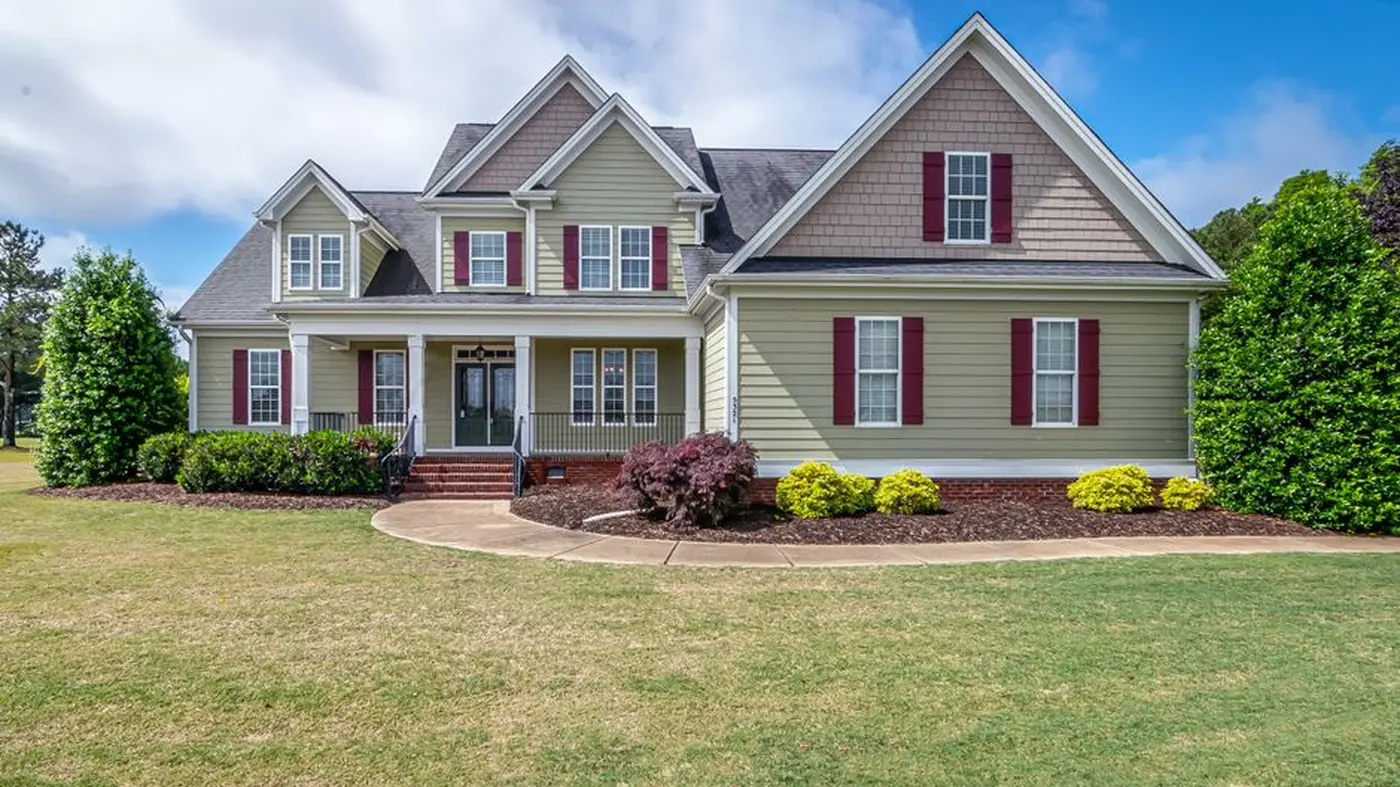
A two-storey house in pale green vinyl siding with cream trim, dark red shutters, multiple gables and a covered front porch, on a mown lawn with clipped shrubs
Roof, foundation and the paperwork attached to the land decide most financed West Virginia sales, and on a hillside lot the access comes first.

We Buy Houses Across West Virginia

Select a city to learn more

Want to see the number before you decide anything?Tell us the address. The offer is free, there is nothing to sign, and if listing would net you more we can usually say so.
Get My Cash Offer or call (833) 330-1625

Cash Home Buyers Across Charleston, Huntington, Morgantown and Every West Virginia Market

West Virginia is not one housing market and this year it is not even close. The Eastern Panhandle is priced by people who work in Washington and Baltimore, the Northern Panhandle looks to Pittsburgh, the river cities run on healthcare and the universities, and the southern coalfields run on thin buyer pools and long distances. We operate across all of it.

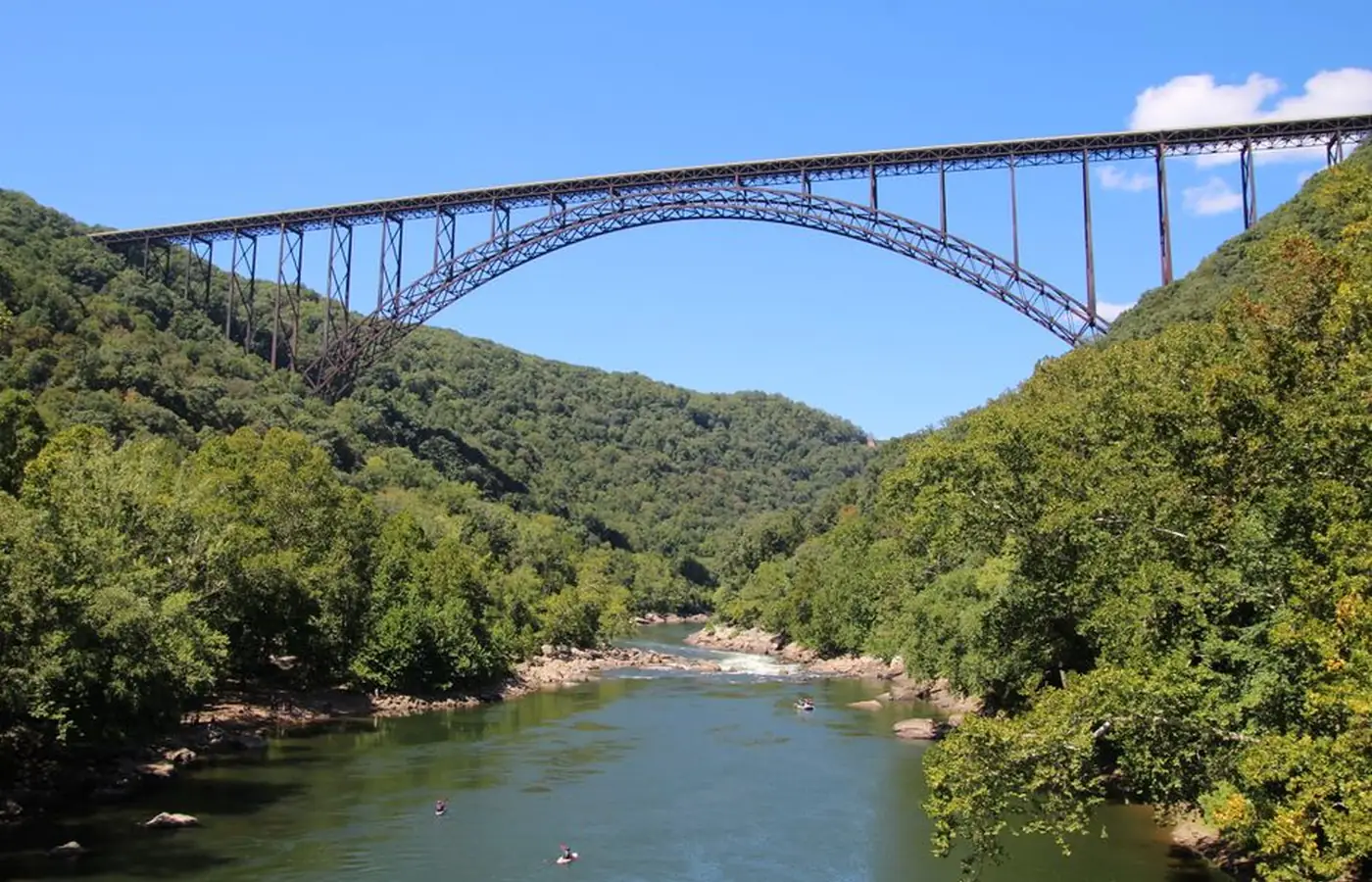
The New River Gorge Bridge, a single steel arch carrying a road high above a green river gorge, with forested slopes falling away on both sides and rafters on the water below
The southern half of the state is steep, forested and a long way between towns, and the buyer pools reflect it.

Charleston and the Kanawha Valley

Kanawha and Putnam Counties

The capital, state government, chemicals and healthcare, with South Charleston, St. Albans, Cross Lanes and Nitro strung along the river. Redfin has Charleston sale prices down 10.5% on the year while the state as a whole is up, so a statewide figure is the wrong number to plan against here.

Sell Your House in Charleston and the Kanawha Valley →

Teays Valley and Putnam County

Putnam County

The suburban stretch between Charleston and Huntington, and the most competitive market in the state by Redfin's own list. Newer stock, a commuting buyer pool drawing on both cities, and the one part of the Kanawha region that does not move with the capital.

Sell Your House in Teays Valley and Putnam County →

Huntington

Cabell County

The river city at the corner where three states meet, on Marshall University, healthcare and the port. Sale prices up 11.6% on the year, the second strongest in the state, on a housing stock that is largely pre-war and priced well below the national median.

Sell Your House in Huntington →

Morgantown

Monongalia County

The university town in the north, with a student-rental market layered over an ordinary one and a buyer pool that reaches well across the state line. Cheat Lake sits just east of it on a different kind of property entirely.

Sell Your House in Morgantown →

Martinsburg and the Eastern Panhandle

Berkeley County

Nothing else in West Virginia behaves like this. Priced by Washington and Baltimore commuters rather than by anything in the state, with Charles Town up 21.5% and Martinsburg up 5.8% on the year while the capital falls.

Sell Your House in Martinsburg and the Eastern Panhandle →

Parkersburg and Vienna

Wood County

Mid-Ohio Valley, on chemicals, plastics and the river trade, with Marietta sitting directly across the water in Ohio. Prices close to flat at +0.7% on the year, which is about as steady as this state gets.

Sell Your House in Parkersburg and Vienna →

Wheeling and the Northern Panhandle

Ohio and Hancock Counties

Wheeling and Weirton, an hour from Pittsburgh and closer to it in character than to Charleston. Heavy Victorian stock in Wheeling, steel-town housing in Weirton, and prices up 6.9% on the year.

Sell Your House in Wheeling and the Northern Panhandle →

Fairmont and Clarksburg

Marion and Harrison Counties

North-central, on federal employment, energy and the interstate. Two county seats twenty minutes apart with quite different housing and a shared dependence on what happens in Morgantown.

Sell Your House in Fairmont and Clarksburg →

Beckley and the Southern Coalfields

Raleigh County

The largest market in the south, on healthcare, the New River Gorge and what remains of coal. Thin buyer pools, long distances between towns, and a great deal of property that has been in one family a long time.

Sell Your House in Beckley and the Southern Coalfields →

West Virginia Counties We Cover

From Hancock and Ohio in the Northern Panhandle down to Raleigh in the coalfields, and from Berkeley in the east across to Cabell and Wood on the Ohio River, our city pages span the state, and we evaluate property anywhere in West Virginia. Being inside the footprint is not the same as an offer. Location, property type, condition, marketability, title and our current buying criteria all decide whether we can make one.

Berkeley County
Cabell County
Hancock County
Harrison County
Kanawha County
Marion County
Monongalia County
Ohio County
Putnam County
Raleigh County
Wood County
Do not see your town on the list?We evaluate property in all 55 West Virginia counties, not only the cities with their own page.
Get My Cash Offer or call (833) 330-1625

West Virginia Cities We Serve

Communities from the Potomac to the Big Sandy. Our busiest West Virginia markets are Charleston, Huntington, Morgantown, Parkersburg, Wheeling, Martinsburg, Beckley, Fairmont, Clarksburg and Teays Valley. Select your city for local detail.

Charleston area
Huntington area
Parkersburg area
Morgantown area
Other West Virginia communities

What a cash sale in West Virginia actually costs you

A cash offer comes in below what a prepared house would fetch on the open market. You are trading price for speed, an as-is sale and a much shorter list of things that can go wrong. Whether that trade makes sense depends on the condition of the house and what waiting is costing you.

Below is the honest comparison. Read the last two rows as carefully as the first ones.

 Listing with an agentEagle Cash OfferEagle Retail Max
Typical timelineAbout 56 days on market, then 30 to 45 days to closeRoughly 21 to 42 daysLonger than a cash offer, and driven by the end buyer
Agent commission 5% to 6% of $256,183About $12,800 to $15,400 from your proceedsNone from youNone from you. Eagle covers applicable commissions
Closing costs other than transfer taxSeller pays a shareEagle pays themEagle pays them
Excise tax, mortgage payoff, prorated property taxes, recording feesYoursYours, except the recording fees, which Eagle paysEagle pays the excise tax and the recording fees. The rest is yours
Repairs before saleOptional, but selling as-is usually narrows the buyer pool and the priceNone. Sold as-isNone from you. Eagle covers approved repair and concession costs
ShowingsOngoing, on the buyer's scheduleProperty review and inspection onlyRequired. Normally scheduled 24 hours ahead when occupied
Financing riskA buyer’s loan can fail on underwriting, appraisal or property conditionNo lender on our sideDepends on the end buyer
Likely proceedsHighest, if the house is market ready and you can waitLowest of the threeBetween the two

Commission figure uses the West Virginia median sale price of $256,183 as of August 2026 and a typical 5% to 6% rate (it varies by market), for illustration only. Your numbers will differ. On the excise tax, the statute sets a state rate of $1.10 for each $500 of value plus a county rate starting at 55 cents for each $500 that a county may raise to as much as $1.65, plus a $20 fee for the Affordable Housing Fund, so the total is set county by county and there is no single statewide figure. The same statute says the tax is paid by the grantor unless the grantee accepts the document without it having been paid, in which case the grantee pays. Everything else at closing is set by your purchase contract rather than by statute, which makes it negotiable, so read yours before you compare two offers. Which structure fits depends on the property, your equity and your timing, and the written agreement controls in every case.

Two things decide this, and they are worth separating: whether you have the time to wait a sale out, and whether you have the money to put the house right before it goes on. Where you have both, list it with a good local agent. We would rather say that up front than spend three weeks getting to the same answer. Where one of them is missing, a cash sale is not the consolation prize. It is often the better outcome and sometimes the only one that closes: a house that needs work you cannot fund, a tangled title, a real deadline, or a situation that takes the listing route off the table.

Charles Town and Charleston are not the same market.One is up more than twenty percent on the year and the other is down more than ten. We price against sales in your own county.
Get My Cash Offer or call (833) 330-1625

West Virginia Seller Situations: Foreclosure, Mountain Property, Heir Property, Rentals and Divorce

These are the situations we run into most often in West Virginia, and what we can and cannot do about each one.

⚠ Facing a West Virginia ForeclosureCheck where the letters are being sent

The first thing to do in West Virginia is not to read the letter. It is to work out where the letters are going.

West Virginia sends the notice of a trustee's sale to the address written on your deed of trust, and treats it as delivered the day it is mailed even if it comes back marked undeliverable. People who have moved, who are staying with family, or who own the house as a rental are the ones this catches. The only way to change it is to put a new address to your lender in writing.

Then the timing. The published warning is short, so a West Virginia trustee's sale can be closer than a first letter makes it sound. And if a sale has already happened, there is generally a limited time to raise a failure in how it was run. The laws section on this page sets out the detail.

Send us the papers and we will tell you honestly whether a sale before the auction is realistic for your timeline. We cannot promise to stop a foreclosure or to protect your credit, because that depends on your lender, the timing and whether a closing actually happens.

Related guide: How to Sell Your House Fast Before Foreclosure

🏔 Coalfield, Hollow and Mountain PropertyAccess, mineral rights and what an insurer will cover

Outside the river cities, what holds up a West Virginia sale is rarely the kitchen.

It is whether the access was ever recorded, or whether the road to the house has been used by agreement for sixty years and written down nowhere. It is the well and the septic. It is whether the mineral rights were severed generations ago, which is ordinary here and unremarkable to a local buyer but a genuine question for an out-of-state lender. It is slips and subsidence on a hillside lot, and whether any insurer will write a policy on a property in a hollow that has flooded.

A buyer's lender will ask about every one of these, and each can cost weeks. Tell us about the land at the same time as the house and we will be straight with you about whether it fits what we buy.

Related guide: How to Sell a House As Is

🏠 Inherited Property and Heir PropertyWho has authority to sign

West Virginia has a great deal of property that has passed down through a family without the paperwork ever catching up, sometimes across three generations, and it is one of the most common reasons a sale here cannot close on the timetable anyone expected.

The practical question is always the same: who currently has authority to sign a deed. Where an estate has been opened and a personal representative appointed, that is usually straightforward. Where nobody opened one, or where a dozen cousins each hold a fractional interest, ownership generally has to be established before any buyer can buy at any price.

We are not able to give legal advice on this and we will not pretend the problem is smaller than it is. Tell us what you know about how the property came to you, and we will tell you what would have to be true for a sale to work. Where probate or a title action is needed first, we will say so.

Related guide: How to Sell an Inherited House

🔑 Rentals and Out-of-State OwnersThe address problem, twice over

A lot of West Virginia housing is owned by people who no longer live in West Virginia, and the rental stock in Huntington, Morgantown and the Northern Panhandle is a large part of it.

Two things bite. The first is the notice rule above, because a deed of trust signed when you lived at the property will still carry that address, and a certified letter to a house your tenants occupy generally counts as delivered to you. The second is the ordinary difficulty of selling a tenanted property: a lease runs with the house, and a buyer who wants to live there and a buyer who wants the income want different things.

We buy tenanted property in many cases, which removes the need to empty it first. Tell us what the leases say, whether the deposits are held, and whether anyone is behind, and we will price it as it stands.

Related guide: Selling a Rental Property With Tenants

💵 Divorce and Co-Owned PropertyBoth signatures, or we cannot proceed

A house is often the last asset to be settled and the one that keeps two people tied together after everything else is done.

The practical constraint is authority: both owners on title normally have to agree to a sale, and we cannot proceed on one signature where two are required. Where attorneys are involved we are happy to work through them, and where a decree already specifies what happens to the house, send it across and we will work to what it says.

One West Virginia point is worth raising early. If a foreclosure is running in the background, the notice goes to the address on the deed of trust and counts as delivered when mailed. Where one of you has moved out, it is worth making sure the person who has moved is getting a copy of everything, in writing, from the lender.

We are not a party to the dispute and will not take a side in it. Our job is to give both of you the same number in writing so you can decide what to do with it.

Related guide: Selling a House During Divorce

Asked in West Virginia

Are home prices dropping in WV?

Statewide, no. In Charleston, yes, and by a lot.

Across West Virginia in August 2026 the median sale price was $256,183, up 0.5% on the year, with 1,190 homes sold, 5,696 for sale, 20.7% selling above list and a sale-to-list ratio of 97.0%. But Redfin's own metro figures for the same month show Charles Town up 21.5%, Huntington up 11.6%, Wheeling up 6.9%, Martinsburg up 5.8%, Parkersburg up 0.7% and Charleston down 10.5%. That is a spread of more than thirty points inside one state. The statewide number describes almost nobody's house, and if you are in the Kanawha Valley it is the wrong number to plan against.

Wherever you are in the state, a house in good repair can be listed, and will usually net more. Mountain and hollow property with access or water questions, heir property, or a house owned from out of state is where we fit.

Is the lender still writing to your old address?In West Virginia the foreclosure notice counts as delivered the day it is mailed to the address on your deed of trust. Fixing that is a letter.
Get My Cash Offer or call (833) 330-1625

What Actually Happens on the First Call

People put off calling a company like ours because they do not know what they are walking into. Here is a real call, with the details that could identify anyone removed. We are not saying it was a West Virginia seller, because we do not attach cases to states they did not come from.

From our own call records

A man called about his wife’s house. She had sent the inquiry, he was out running errands, and he thought he would get things started. Our acquisition manager noticed the inquiry was in her name, asked whether she was unable to take part, and when the answer was no, she simply asked me to call, he stopped the conversation there. Not for a signature. We talk to the owner. They booked a three-way call for once he was home, around his drive rather than our calendar.

What that first call is for, in his words: it is pretty basic, really more for us to find out about the property and the condition it is in. No offer on the spot, no paperwork, no pressure.

Anonymised from a recorded call. No names, no location, no property details, because the record holds none and we do not invent them. This account ends where the record ends, with a follow-up scheduled.

West Virginia Real Estate Laws Every Seller Should Know

West Virginia foreclosures generally run through a trustee rather than through a court, and that makes them quick. The whole of your warning is a newspaper advertisement and a letter, and the letter counts as delivered the day it is posted. Here is what generally applies before you sell, in plain language.

Before Any State Clock Starts: the Federal 120-Day Rule

Every state timeline on this page sits behind a federal one, and it is the single most useful thing to know if you have missed payments. Under Regulation X, 12 CFR 1024.41(f)(1), a mortgage servicer generally “shall not make the first notice or filing” required for a judicial or non-judicial foreclosure unless the borrower's mortgage loan obligation is more than 120 days delinquent.

That is roughly four months of missed payments before the state process is even allowed to begin. It is why a state sequence that looks alarmingly short on paper is usually longer in practice than the statute alone suggests.

The exceptions, because they are real. The rule does not apply where the foreclosure is based on a violation of a due-on-sale clause, or where the servicer is joining the action of a superior or subordinate lienholder. Small servicers are not exempt from this particular prohibition. Loan types and servicing arrangements vary, and some loans are outside Regulation X altogether.

So treat 120 days as the general floor rather than a guarantee, and work from the dates on your own paperwork. If a notice has arrived and you do not believe you are past that point, that is a question worth putting to a HUD-approved housing counselor or an attorney before you do anything else.

The Notice Counts The Day It Is Mailed, Not The Day You Read It

West Virginia foreclosures generally run through a trustee's sale rather than through a court, and the whole of your warning is built out of two things: a newspaper advertisement and a letter.

The advertisement. Section 38-1-4 requires the trustee to publish notice of the sale as a “Class II legal advertisement” in the county where the property sits. Section 59-3-2 says what that means: “a Class II legal advertisement shall be published once a week for two successive weeks”. Two weeks. It has to show the time and place of sale, the names of the parties to the deed, the date of the deed, the office and book where it is recorded, a description of the property and the terms of sale.

The letter, and this is the part worth acting on today. A copy of that notice has to be served on you by certified mail, return receipt requested, sent to “the address shown by the grantors on the deed of trust or such other address given to the beneficiary ... in writing” afterwards. And then the sentence that catches people: “notice shall be deemed complete when such notice is mailed to the aforesaid address, notwithstanding the fact that such mail may be returned as refused or undeliverable”.

So the notice generally counts as given the day it is posted, to whatever address is written on a document you may have signed years ago, whether or not it ever reaches you. If you have moved, are staying elsewhere, or the property is a rental you no longer live at, the fix is to give your lender a new address in writing. That is a letter, and it is worth sending this week rather than next.

Official source: W. Va. Code §38-1-4 and §59-3-2

One Year To Challenge How The Sale Was Run

If a trustee's sale has already happened and something about how it was run looks wrong, West Virginia puts a clock on saying so, and it is shorter than people expect.

Section 38-1-4a reads: “Provided the grantor on the deed of trust ... is provided notice as required by section four of this article, no action or proceeding to set aside a trustee's sale due to the failure to follow any notice, service, process or other procedural requirement relating to a sale of property under a trust deed shall be filed or commenced more than one year from the date of the sale”.

Both halves matter. The year runs from the date of the sale, not from the day you found out about it, and the sale is the event that generally starts it. But the limit is written as a proviso: it applies where notice under section 38-1-4 was given. Given that section 38-1-4 treats notice as complete the moment it is mailed, that proviso is usually satisfied long before anyone has read anything.

We are not telling you that you have a claim. We are telling you there is a deadline, that it is generally one year, and that a West Virginia attorney is the person to look at it while the year is still running. It is a short window.

Official source: W. Va. Code §38-1-4a

The Surplus, The Shortfall, And What The Transfer Costs

Anything left over is yours. Section 38-1-7(a) has the trustee pay the expenses of the sale first, including a commission of five percent on the first $300 and two percent on the rest, then the secured debts pro rata or in the order of priority prescribed by the trust deed, so any junior lien behind your first mortgage is paid ahead of you, and only then “shall pay the surplus, if any, to the grantor, his, her or its heirs, personal representatives, successors or assigns”. If the house sells for more than is owed, that money is generally meant to reach you, and it is worth asking where it went.

And the half that runs against you, which we would rather you heard here. Section 38-1-7(b) says a borrower sued for a shortfall after the sale “may not assert as a defense that the fair market value of the secured real property was not obtained” at a sale conducted in accordance with the article. Several states give a seller some protection on this point. West Virginia wrote down the opposite: where the sale was run properly, “it went for far less than it was worth” is generally not an answer. We are making no claim about whether a shortfall can be pursued against you at all, only about the defence this section removes.

What the transfer itself costs. Section 11-22-2 puts an excise tax on the privilege of transferring title, at $1.10 for each $500 of value, plus a county excise that starts at 55 cents for each $500 and that a county may raise to as much as $1.65 for each $500, plus a $20 fee collected by the county clerk for the Affordable Housing Fund. Because the county sets its own share, there is no single statewide number, and your closing agent will confirm the one that applies to you. On who pays, the section is unusually direct: “the tax shall be paid by the grantor therein unless the grantee accepts the document without such tax having been paid, in which event such tax shall be paid by the grantee”. The seller by default, the buyer in that one named case, and your purchase contract can allocate it differently.

Two things we could not establish, and would rather say so. We did not find a section giving a homeowner a right to buy the property back after a trustee's sale. That is not the same as saying none exists, and it is a question for a West Virginia attorney. Separately, the chapter dealing with delinquent property taxes and tax-lien sales is a different process from everything on this page, and we have not read it, so we make no claim about it. If your problem is unpaid property tax rather than a mortgage, that is the conversation to have.

Official source: W. Va. Code §38-1-7 and §11-22-2

General information, not advice. This section describes West Virginia practice in general terms and was checked in September 2026 against the West Virginia Code as published by FindLaw, whose text for these sections is stamped current as of 1 January 2024. We say so because it is older than this page, and because on this occasion the Legislature's own website could not be reached from our machine at all. Laws, timelines and local procedures change, and how any of it applies to your property depends on facts we have not seen. It is not legal, tax or financial advice, and it is no substitute for talking to a West Virginia attorney, accountant or HUD-approved housing counselor about your own situation.
Has a trustee's sale already happened?If something about how it was run was wrong, there is a deadline to raise it, and it counts from the date of the sale. Ask a West Virginia attorney now.
Get My Cash Offer or call (833) 330-1625

West Virginia Housing Market Snapshot

West Virginia is one of the most affordable states we buy in, and this year it has two housing markets rather than one. Figures below are Redfin statewide data for August 2026.

$256,183Median sale priceRedfin, August 2026
56 daysMedian days on marketRedfin, August 2026
+0.5%Year-over-year price changeRedfin, August 2026
5,696Homes for sale, down 6.4%Redfin, August 2026
20.7%Homes selling above list priceRedfin, August 2026
97.0%Sale-to-list price ratioRedfin, August 2026
An aerial view at sunset over wooded hills in full autumn colour around a still lake, with a town and the river valley visible along the horizon on the right
Nitro, in the Kanawha Valley, with the river industry on the horizon. One of the most competitive markets in the state, twenty minutes from one of the weakest.

The statewide number describes almost nobody's house

Across West Virginia in August 2026 the median sale price was $256,183, up 0.5% on the year, with 1,190 homes sold, 5,696 homes for sale, four months of supply, 20.7% of homes selling above list and a sale-to-list ratio of 97.0%. Those last two figures sit oddly together. A fifth of homes going above asking is towards the competitive end, while 97.0% of list is a soft ratio. They do not describe one market because there is not one.

Redfin's own metro figures for the same month show it plainly. Charles Town is up 21.5% on the year and Martinsburg 5.8%, both of them in the Eastern Panhandle and both of them priced by people who work in Washington and Baltimore. Huntington is up 11.6%, Wheeling 6.9%, Parkersburg 0.7%. And Charleston, the state capital, is down 10.5%. That is a spread of more than thirty points inside one state in a single month. If you are selling in the Kanawha Valley, the statewide plus-half-a-percent is the wrong number to plan against, and we would rather tell you that than quote you a figure that flatters the page.

Two things decide whether listing is better for you: the time to wait a sale out, and the money to put the house right first. Where you have both, list it, and we can usually say so. Be realistic about the first, because 56 days is the median just to go under contract and that is before closing, and about the second, because at 97.0% of list West Virginia buyers negotiate. Where one of those two is missing, a cash sale is usually the better answer and often the only one that closes.

Selling Just Over the West Virginia Line?

West Virginia touches five states, and plenty of people here own a second property, an inherited house or a former rental across one of those lines. The rules change the moment you cross. We evaluate property in all five.

Ohio

West across the river, and Wheeling, Parkersburg and Huntington all trade people and jobs with it daily. Ohio runs foreclosures through the court and the sheriff rather than through a trustee, which makes them a good deal slower than a West Virginia trustee's sale and puts a judge in the middle of the process. See Marietta or Steubenville or Athens.

Pennsylvania

North, and the Morgantown and Northern Panhandle markets look to Pittsburgh more than to Charleston. Pennsylvania foreclosures are judicial and carry a written notice of intention to foreclose with a stated cure period, so the timeline there starts far earlier than the published notice described on this page. See Pittsburgh or Washington, PA or Erie.

Maryland

East, and Berkeley and Jefferson County sellers are often buying or selling on the other side of it. Maryland's process is run through the circuit court with its own notice requirements and a ratification step after the sale, none of which has an equivalent here. See Hagerstown or Cumberland or Frederick.

Virginia

South and east, and the two states share a deed-of-trust tradition and most of a history. The machinery is similar rather than identical, and the notice periods and the rules about challenging a sale afterwards are not the same, so do not carry an answer from one across the line. See Winchester or Harrisonburg or Roanoke.

Kentucky

South-west, and Huntington sits close enough that plenty of families own on both sides. Kentucky foreclosures run through the court rather than through a trustee, and both the timeline and the rights that attach to a sale there are different from the ones described on this page. See Ashland or Lexington or Louisville.

What Sellers Say About Working With Us

Jakquese MingoRated 5 out of 5
Allan was very helpful and the process was fast and easy. I highly recommend.
Daniel KlingshirnRated 5 out of 5
After talking with several other cash buyers and real estate agents I talked with Alex and he really worked with me and got me the best deal. Down to earth and straight with facts.

4.5 from 40 reviews on Google · read them all

2019

Founded, and headquartered in Columbus, Ohio.

1,000+

Transactions since 2019 across a 43-state footprint. Coverage does not mean every property qualifies.

A+

Eagle Cash Buyers, LLC is BBB Accredited with an A+ rating. Accreditation is not an endorsement. See the profile.

Ready to See What a West Virginia Cash Sale Looks Like?

Sold as-is. No agent commission. Most transactions close in roughly 21 to 42 days.

Get My Free Cash Offer

Or call us: (833) 330-1625

West Virginia Home Selling Questions, Answered Straight

Real answers about West Virginia law, timelines and how the process actually works here.

How fast can you close on a West Virginia home?

Most Eagle transactions close in roughly 21 to 42 days. The timeline depends on title readiness, liens, payoffs and the property review. On rural and hollow property, the access, the well and whether the mineral rights were severed decide more of that timeline than the condition of the house does, so tell us about the land early.

What's the fastest I can sell my house?

To a buyer who does not need a mortgage, does not need the house repaired first and can work to a title company's timetable, it is usually 21 to 42 days. What it is not is same-day or 24 hours, and we would be wary of anyone promising that. Title work, existing liens, mortgage payoffs and the property review all take real time and none of them can be skipped. With a listed West Virginia home taking a median of 56 days just to go under contract, three to six weeks to a completed sale is a genuine difference.

Where does the foreclosure notice get sent?

To the address written on your deed of trust, or to another address you have given the lender in writing since, and that catches more people here than anything else. The notice counts as delivered the day it is mailed there, even if it comes back refused or undeliverable. If you have moved, put a new address to your lender in writing and keep proof that you did, because a phone call or a change of address with the post office is not what the statute describes. The laws section on this page has the detail.

How much warning does a West Virginia trustee's sale give?

The published part is two weeks: the notice runs in a local newspaper once a week for two successive weeks. We did not find a stated minimum number of days between the mailed notice to the homeowner and the sale, and we are not going to invent one. Treat a West Virginia sale date as closer than it looks and ask an attorney about your own timeline.

A sale has already happened. Is it too late to say something was wrong?

There is a deadline and it is generally one year from the date of the sale, not from the day you learned about it. We are not telling you that you have a claim, only that the window is short and that a West Virginia attorney should look at it while it is open. The laws section on this page has the detail.

Can I buy the house back after the trustee's sale?

We do not know, and we are not going to guess. We read the sections of the West Virginia Code that govern trustee's sales and none of them gave a homeowner a right to redeem the property afterwards. That is not the same as saying no such right exists anywhere in the code, and it is exactly the kind of question a West Virginia attorney can answer in one conversation. If your problem is unpaid property tax rather than a mortgage, that is a different process again and we have not read it, so we make no claim about it at all.

Who pays the transfer tax in West Virginia?

The seller, by default, and the statute says so out loud. It imposes an excise tax on the privilege of transferring title and then provides that the tax shall be paid by the grantor unless the grantee accepts the document without the tax having been paid, in which event it is paid by the grantee. On rate, there is no single statewide number: the statute sets a state excise of $1.10 for each $500 of value and a county excise starting at 55 cents for each $500 that a county may raise to as much as $1.65 for each $500, plus a $20 fee collected by the county clerk for the Affordable Housing Fund. Your closing agent will confirm the figure for your county, and your purchase contract can allocate it differently.

Why do the Eastern Panhandle and the rest of the state behave so differently?

Because they have different buyers. Berkeley and Jefferson County are inside commuting distance of Washington and Baltimore, and are priced by people earning money there, which is why Charles Town and Martinsburg show the strongest growth in the state. Charleston, Beckley and the coalfields are priced by the local economy and by thin buyer pools, where a handful of sales moves the figures. Both are West Virginia and neither tells you much about the other.

What is the hardest month to sell a home?

In a state like this one, the deep winter months are the difficult stretch, and the reason is practical rather than mysterious: fewer buyers are looking, daylight is short, the photographs are worse, and on a mountain or hollow property an access road in bad weather can put people off a viewing entirely. Spring and early summer bring the most buyers out. We are not going to put a statistic on that, because we have not verified one for West Virginia. The more useful point is that the seasonal effect is a matter of weeks of extra time on market, so it matters if you are choosing when to list and it matters very little if you are working to a deadline you cannot move.

What can I do to get my house to sell faster?

Price and photographs first, as everywhere. After that, West Virginia has its own list, and it is mostly paperwork rather than paint. Find the deed and check whether the access to the property was ever recorded. Find out whether the mineral rights were severed, because a local buyer will shrug and an out-of-state lender will not. Have the well and septic records ready. Get a straight answer on insurability if the property has ever flooded or if there is any history of slips on the slope. Then the building: the roof, the foundation on a hillside lot, and anything with knob-and-tube or a fuse box still in it. Every one of those can cost weeks with a buyer's lender. If you are on this page because a sale has to happen by a date, most of that advice costs money and time you do not have, and the lever is the buyer rather than the house.

Should I just list it instead?

It turns on two things: whether you have the time to wait a sale out, and whether you have the money to put the house right before it goes on. Where both are true, list it, and we can usually say so. Be realistic about the first, because 56 days to go under contract is the statewide median and that is before closing, and about the second, because at a 97.0% sale-to-list ratio West Virginia buyers negotiate. Where one of those two conditions is missing, a cash sale becomes the better answer and often the only one that closes: a trustee's sale already advertised, an inherited or heir property where ownership has to be established first, unrecorded access, a hillside or flood problem no insurer will cover, a property your tenants are still in, or a title issue that has to be cleared before anyone can buy at any price.

Oren Sofrin

Reviewed by Oren Sofrin, Founder and CEO of Eagle Cash Buyers

Oren has more than ten years in real estate, and he and the Eagle team have completed over 1,000 transactions. His market commentary has been quoted by MSN, Yahoo Finance, GOBankingRates and BiggerPockets. Last reviewed October 2026.

See How We Calculate Your West Virginia Cash Offer

Get My Cash Offer →