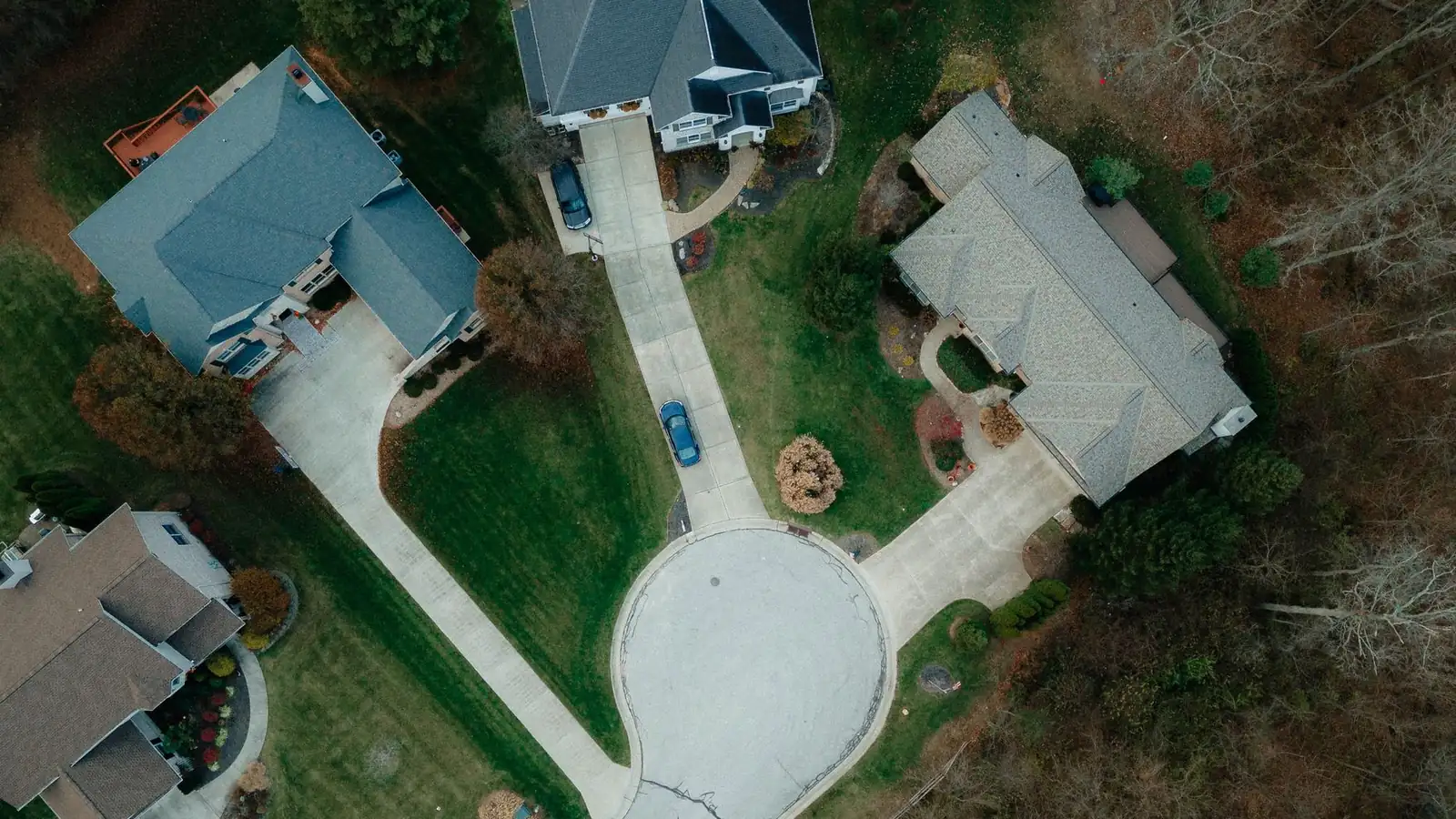



Aerial view of a suburban Ohio neighborhood of single-family homes
Questions? Call us: (833) 330-1625

Sell My House Fast in Ohio: We Buy Houses for Cash, As-Is, Any Condition

Any condition, any county. Tell us the address and we will put a real number in writing, free, with nothing to sign.

Sold as-is, no repairs to fund Free, no-obligation offer No agent commission to pay All 88 Ohio counties

Eagle Cash Buyers is based in Columbus. Homeowners in 43 states can request a written cash offer from Eagle. In Ohio that includes homeowners in all 88 counties from Cleveland and Cincinnati to Toledo, Dayton, Akron and Youngstown. Tell us about the house and we will explain what a cash sale would actually look like for you, and whether something else would serve you better.

Question 1 of a few

What is the Ohio address?

We price against sales in your own county, and Cuyahoga prices nothing like Delaware, so this is where we have to start. The next few questions cover condition, ownership and your timing.

Free, and nothing to sign. If a traditional listing would leave you with more, we will tell you.

Next: condition of the house, who is on the title, and the date you would like to close by.
Google Reviews BBB Accredited
  • A+BBB rating
  • 4.5from 40 Google reviews
  • 1,000+transactions completed
  • 43states we buy in

Oren Sofrin, as quoted inMSNYahoo FinanceGOBankingRatesBiggerPockets

Finding your cash offer...

How to Sell Your House Fast in Ohio for Cash

Send us the address and enough detail about the property to work with. During business hours an initial no-obligation offer is often possible within minutes to a few hours, though plenty of houses need research, photographs or a walkthrough first. If you accept, we open title with a licensed Ohio title agency. Most Eagle transactions close in roughly 21 to 42 days, depending on title readiness, liens, payoffs and the property review. See how our sell my house process works, from your first call to closing.

1

Tell us about the house

The address on this page, or a call to (833) 330-1625. We ask about condition, who is on the title, what is owed and when you want to be out. Not your credit.

2

We underwrite, then put it in writing

Comparable sales in your county, what the repairs will cost us, and the resale risk. The written agreement states the price, the closing target and the contingencies.

3

Property review, title, closing

We inspect the house and open title. Payoffs, liens and ownership get verified. The title agency records the deed and disburses your proceeds.

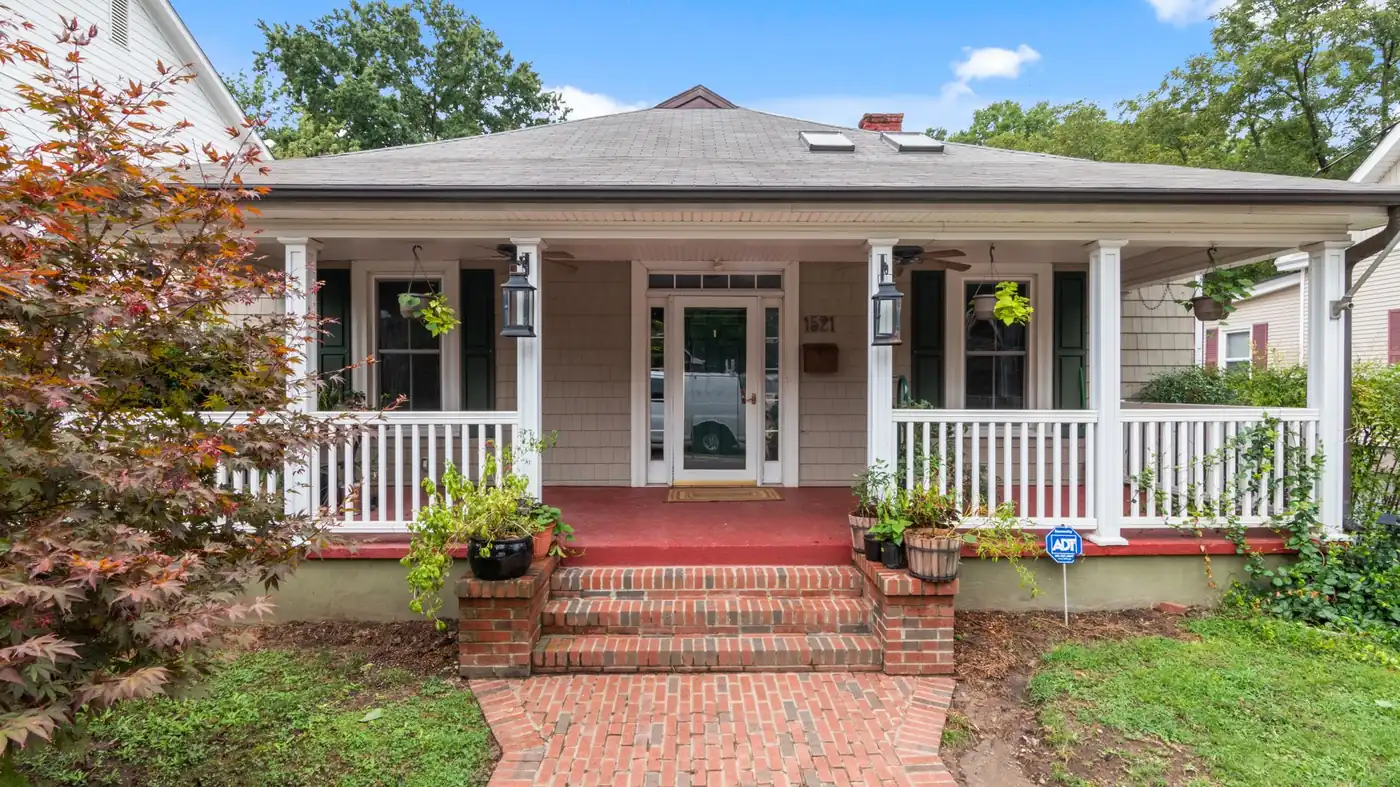
Older Ohio home with a covered front porch and brick walkway in autumn
Much of Ohio's housing stock predates 1970, and condition is the usual obstacle to a financed sale.

What a cash sale in Ohio actually costs you

A cash offer comes in below what a prepared house would fetch on the open market. You are trading price for speed, an as-is sale and a much shorter list of things that can go wrong. Whether that trade makes sense depends on the condition of the house and what waiting is costing you.

Below is the honest comparison. Read the last two rows as carefully as the first ones.

 Listing with an agentEagle Cash OfferEagle Retail Max
Typical timelineAbout 44 days on market, then 30 to 45 days to closeRoughly 21 to 42 daysLonger than a cash offer, and driven by the end buyer
Agent commission 5% to 6% of $274,855About $13,700 to $16,500 from your proceedsNone from youNone from you. Eagle covers applicable commissions
Closing costs other than transfer taxSeller pays a shareEagle pays themEagle pays them
Mortgage payoff, prorated taxes, conveyance feeYoursYoursPayoff and prorated taxes are yours. Eagle pays the conveyance fee
Repairs before saleOptional, but selling as-is usually narrows the buyer pool and the priceNone. Sold as-isNone from you. Eagle covers approved repair and concession costs
ShowingsOngoing, on the buyer's scheduleProperty review and inspection onlyRequired. Normally scheduled 24 hours ahead when occupied
Financing riskA buyer’s loan can fail on underwriting, appraisal or property conditionNo lender on our sideDepends on the end buyer
Likely proceedsHighest, if the house is market ready and you can waitLowest of the threeBetween the two

Commission figure uses Ohio's median sale price of $274,855 as of August 2026 and a typical 5% to 6% rate (it varies by market), for illustration only. Your numbers will differ. Which structure fits depends on the property, your equity and your timing, and the written agreement controls in every case.

Two things decide this, and they are worth separating: whether you have the time to wait a sale out, and whether you have the money to put the house right before it goes on. Where you have both, list it with a good local agent. We would rather say that up front than spend three weeks getting to the same answer. Where one of them is missing, a cash sale is not the consolation prize. It is often the better outcome and sometimes the only one that closes: a house that needs work you cannot fund, a tangled title, a real deadline, or a situation that takes the listing route off the table.

Want to see the number before you decide anything?Tell us the address. The offer is free, there is nothing to sign, and if listing would net you more we can usually say so.
Get My Cash Offer or call (833) 330-1625

We Buy Houses Across Ohio

Select a city to learn more

Cash Home Buyers Across Columbus, Cleveland, Cincinnati and Every Ohio Metro

Ohio is not a single-market state. Columbus and its suburbs are among the fastest growing in the Midwest, while Youngstown, Canton and parts of Cleveland are price-sensitive legacy markets with very different economics. We operate across all of them.

Downtown Columbus skyline across the Scioto River in autumn
Columbus is Ohio's fastest-growing metro and the city Eagle Cash Buyers is based in.

Columbus Metro

Franklin, Delaware, Fairfield, Licking

Columbus is Ohio's fastest-growing metro, with Delaware County among the state's most in-demand suburban markets, and it is the city we are based in. Even in a competitive seller's environment, homeowners facing a foreclosure filing, a probate delay or deferred maintenance often prefer the certainty of a cash close to the uncertainty of a listing cycle that currently runs about 44 days before a contract.

Sell Your House in Columbus →

Cleveland Metro

Cuyahoga, Lake, Lorain, Medina

Greater Cleveland includes some of Ohio's most investor-active zip codes. Inner-ring suburbs such as Garfield Heights, Maple Heights and East Cleveland carry older housing stock that is difficult to finance conventionally, which is precisely why a financed buyer walks away and we do not. Cuyahoga County consistently ranks among Ohio's highest for foreclosure filings.

Sell Your House in Cleveland →

Cincinnati Metro

Hamilton, Butler, Warren, Clermont

Cincinnati's exurban counties, especially Warren and Clermont, have seen strong price appreciation and behave much like the Columbus ring. Hamilton County's urban core is a different market, with a large share of older homes where condition and repair cost are the main obstacle to a traditional sale. We buy from Mason to Norwood to Price Hill.

Sell Your House in Cincinnati →

Dayton Metro

Montgomery, Greene, Miami, Preble

Dayton spans a wide range of price points, from newer suburban stock in Beavercreek and Centerville to the older, more affordable neighborhoods of Trotwood and Riverside. Montgomery County has seen elevated foreclosure activity, and inherited properties in the region often sit vacant for months while families decide what to do.

Sell Your House in Dayton →

Toledo Metro

Lucas, Wood, Ottawa, Sandusky

Toledo and the surrounding counties offer some of Ohio's most affordable housing, which also means a higher share of older, repair-intensive homes. Lucas County's foreclosure rate has historically run above the state average. Sellers in Perrysburg, Oregon and Sylvania face different dynamics from those in Toledo proper, but the process is the same across all four counties.

Sell Your House in Toledo →

Akron Metro

Summit, Portage, Stark, Wayne

The Akron metro blends Summit County's urban core with Portage County's suburban growth and Stark County's legacy industrial character. Canton, Massillon and Alliance attract investors looking for rental income at low entry prices. We evaluate properties throughout the Akron-Canton corridor, including homes with deferred maintenance, tenants or title complications. Whether we can proceed depends on the property, title and marketability.

Sell Your House in Akron →

Youngstown Metro

Mahoning, Trumbull, Columbiana

Youngstown and the Mahoning Valley are among Ohio's most price-sensitive legacy markets. Investor activity is high, vacancy in some neighborhoods is elevated, and a great many homeowners here are dealing with property inherited from a previous generation. Warren and Niles in Trumbull County and the Columbiana County towns round out a region where a cash sale is often the most practical exit.

Sell Your House in Youngstown →

Springfield Metro

Clark, Champaign, Greene

Springfield and the wider Clark County market sit between Dayton and Columbus, with affordable entry prices and a high share of deferred-maintenance homes. Much of the stock dates from the middle of the last century and needs real work before a financed buyer can get a loan on it. We buy as-is, with no updates required.

Sell Your House in Springfield →
Do not see your town on the list?We evaluate property in all 88 Ohio counties, not only the cities with their own page.
Get My Cash Offer or call (833) 330-1625
Asked in Ohio

Selling an Ohio House With No Credit Check

This is the single most repeated search attached to selling a house fast in Ohio, so it is worth answering properly rather than in one line.

We do not run your credit, and it has no bearing on the offer. A cash purchase is not a loan to you. There is no application, no score threshold and no underwriting of you as a borrower. We are buying a property, so what we underwrite is the property and the title.

That distinction matters because it is the reason a cash sale can work when a conventional sale cannot. In a financed sale the buyer has to qualify, and the house itself has to satisfy the buyer's lender and appraiser. Older Ohio housing stock frequently fails that test on the roof, the electrical service, the foundation or the mechanicals, which is why a house can sit on the market in Youngstown or East Cleveland while a comparable house in Dublin sells in two weeks.

What we do look at instead

  • Title. A county title search shows liens, judgments, unpaid taxes and anything else recorded against the property. This is where credit problems can surface, not as a score but as a recorded judgment that has to be paid out of the proceeds at closing.
  • Who has authority to sell. Everyone on the deed, or an executor with letters of authority from the probate court if the owner has died.
  • Condition. We buy as-is, and we still look, because condition is most of the number.
  • Occupancy. Whether the house is empty, owner-occupied or has a tenant with a lease that runs past closing.

If you owe more than the house is worth

This is the honest limit of what a cash sale can do, and it is the part most companies skip. If your mortgage payoff is larger than a fair cash price, the sale cannot close on its own, because the lender has to be paid in full to release the lien. There are three real paths from there, and none of them is us simply paying more than the house is worth.

  • You bring the difference to closing.
  • Your lender agrees to a short sale, meaning it accepts less than the full payoff. That is the lender's decision, it takes time, and it is not something any buyer can promise you.
  • Listing nets you more than a cash sale would, which is generally the case where you have the time to wait the sale out and the money to put the house right first. Where you have both, we will tell you to list.

If we look at your numbers and a cash sale does not clear the payoff, we can usually say so on the first call rather than tying up your house while you run out of time.

Does a foreclosure filing on my record stop me selling? No. You can sell at any point before the sale is confirmed by the court. A pending foreclosure does need to be disclosed to the title company so the payoff and any court costs are calculated correctly, and moving early gives everyone more room.

Every County in Ohio

From Hamilton County in the south west to Ashtabula on the Lake Erie shore, we evaluate property in all 88 Ohio counties. Being inside the footprint is not the same as an offer. Location, property type, condition, marketability, title and our current buying criteria all decide whether we can make one.

Allen County
Ashland County
Ashtabula County
Athens County
Butler County
Champaign County
Clark County
Clermont County
Clinton County
Columbiana County
Coshocton County
Crawford County
Cuyahoga County
Darke County
Defiance County
Delaware County
Erie County
Fairfield County
Fayette County
Franklin County
Greene County
Guernsey County
Hamilton County
Hancock County
Huron County
Jefferson County
Knox County
Lake County
Lawrence County
Licking County
Logan County
Lorain County
Lucas County
Madison County
Mahoning County
Marion County
Medina County
Mercer County
Miami County
Montgomery County
Muskingum County
Pickaway County
Portage County
Richland County
Ross County
Sandusky County
Scioto County
Seneca County
Shelby County
Stark County
Summit County
Trumbull County
Tuscarawas County
Union County
Van Wert County
Warren County
Washington County
Wayne County
Wood County
Every metro prices differently. So does every street.Send the address and we will look at what has actually sold near you.
Get My Cash Offer or call (833) 330-1625

Ohio Cities We Serve

Communities from the Lake Erie shore to the Ohio River. Our busiest Ohio markets are Columbus, Cleveland, Cincinnati, Toledo, Akron, Dayton, Canton, Youngstown, Parma and Springfield. Select your city for local detail.

Cleveland area
Columbus area
Cincinnati area
Dayton area
Akron area
Toledo area
Youngstown area
Canton area
Northern Ohio
Western Ohio
Northwest Ohio
Central Ohio
Southern Ohio
Eastern Ohio
Other Ohio communities

Ohio Seller Situations: Foreclosure, Probate, Rentals and Vacant Property

These are the situations we run into most often in Ohio, and what we can and cannot do about each one.

⚖ Facing Foreclosure in OhioOhio is a judicial foreclosure state. The countdown and the one deadline that decides your options.

Ohio foreclosures go through the courts. Your lender cannot take the house by advertising a sale. It has to file a complaint in the county court of common pleas. For most covered residential mortgages, federal servicing rules generally prevent that first filing until the borrower is more than 120 days delinquent, though limited exceptions can apply.

The deadline that matters is the one to file an answer once you are served. It is short, and missing it lets the case move forward without your side being heard. The laws section on this page sets out the detail. Start to finish, an Ohio foreclosure generally runs anywhere from six months to two years.

That length is the opportunity. A sale that closes and pays off the mortgage before the sheriff sale ends the case. We cannot promise to stop a foreclosure or protect your credit, because that depends on your lender, the timing and whether a closing actually happens. What we can do is look at your dates and tell you quickly whether it is realistic. Source: Ohio Legal Help.

If you are further along, read selling before foreclosure, selling during foreclosure and how foreclosure auctions work.

💰 After the Sheriff Sale: Redemption and Money You May Be OwedOhio redemption ends at confirmation, and there may be excess funds nobody told you about.

Two things about the Ohio sheriff sale that most sellers are never told.

Your right to redeem ends when the court confirms the sale, not months later. Ohio does not give you a fixed post-sale window. Until confirmation you can redeem by paying the full judgment plus costs and interest. After confirmation it is over. The confirmation date varies from case to case, so do not treat the window as a set number of days. The laws section on this page sets out the detail.

If money is left after the judgment, court costs, taxes and other valid liens are paid, that surplus generally belongs to you. At the first auction the minimum bid is generally two thirds of appraised value, so a surplus is not unusual, though a second auction can go below that if the property does not sell first time. The clerk holds the balance and pays it to the former owner on demand. Make sure the clerk has your current address.

None of that is legal advice and we are not attorneys. If you are anywhere near a sale date, talk to an Ohio attorney or a HUD-approved housing counselor as well as to us.

Related guide: How to Sell Your House Fast Before Foreclosure

📄 Inherited Property and Ohio ProbateCourt timelines, who signs, and the disclosure exemption most heirs do not know about.

When an Ohio owner dies and the property was in their name alone, the estate generally passes through the probate court of the county where the property sits before the house can be sold. An executor or administrator is appointed and signs the deed, and depending on the estate the court may need to approve the sale. We work with executors and probate attorneys across Ohio and can write an offer that fits the court's timetable rather than fighting it.

Here is the part that saves heirs real trouble. Ohio's disclosure statute exempts a seller who has not lived in the property as a personal residence within the year before the transfer and who acquired it by inheritance or devise. An heir selling a parent's house they never lived in is very often exempt from the Residential Property Disclosure Form altogether. Transfers ordered by a probate court during estate administration, and transfers by a fiduciary administering an estate or trust, are exempt too.

Whether your sale falls inside an exemption is a question for your attorney, not for us. Background reading: how to sell an inherited house, selling during probate and how long probate takes.

🏠 Major Repairs and Deferred MaintenancePre-1970 stock across the industrial belt. We price the work, you do not fund it.

Ohio's older cities carry a lot of housing built before 1970. Cleveland's inner-ring suburbs, Youngstown, Canton, Dayton and Toledo all have neighborhoods where aging roofs, old electrical panels, original plumbing and foundation movement are ordinary rather than exceptional. Those houses are hard to finance conventionally, which is exactly why a financed buyer walks and a cash buyer does not.

On our side, we send general contractors to price the work. You do not pay for that assessment and you do not arrange it, and the repair cost is already inside the number we give you.

We do still inspect. If the property review turns up something material that nobody knew about, we will explain it and tell you whether the transaction can proceed as agreed, needs restructuring or cannot close. That is a straight answer, not a renegotiation tactic. See selling a house as-is and what we look at when the roof is the problem.

🔑 Tired Landlords and Tenant-Occupied RentalsCleveland, Youngstown and Dayton rental stock, with or without tenants in place.

Ohio has a deep single-family rental market, and a lot of it is old. Landlords in Cuyahoga, Mahoning, Montgomery and Lucas counties reach a point where maintenance, vacancy, code enforcement and management cost more than the rent justifies. Selling a tenant-occupied house on the open market is awkward, because financed buyers want vacant and move-in ready and lenders scrutinize investment property condition.

We buy rentals as-is and can often evaluate one with the tenant still in place. Bring us the lease and we will tell you what is workable. Start with selling a rental property with tenants.

📋 Divorce, Relocation and DownsizingA fixed number both sides can split, and a date built around the move.

When an Ohio marriage ends and a jointly owned house has to be divided, a known number both parties can split is worth a great deal. A traditional listing needs agreement on repairs, staging, showings and every counteroffer, during a period when agreement is hard. We work with both parties, their attorneys and the title agency, and we do not take sides. Every owner whose signature is required has to be part of the conversation, which is worth sorting out early rather than at the closing table. A transfer between spouses under a divorce or dissolution decree is also exempt from the disclosure form. More in selling a house during divorce.

For a job move, you do not have to be in Ohio for the sale. A mobile notary comes to you and handles the documents wherever you are, and if a relative is covering access we work around their schedule, by appointment and with notice. See selling before a job relocation.

For a downsize, we buy homes with the contents still in them and build the closing date around the move rather than the other way round. Where the closing date and the move-out date cannot be made to line up, staying on for a short period after closing is sometimes possible, commonly a week or two, with a negotiated amount held in escrow until you have moved out. It is considered case by case rather than offered as standard, so raise it early.

📦 Vacant and Abandoned PropertiesAn empty Ohio house costs money every month and attracts the wrong attention.

A vacant house in Ohio is not free to keep. Insurance gets more expensive or lapses entirely, utilities still run, taxes accrue, and cities from Cleveland to Dayton enforce nuisance and blight rules that turn a quiet problem into a citation. Damage compounds because nobody is there to notice it.

We buy vacant property as-is, including houses with contents still inside, and you do not need to clear it out first. Take what matters and leave the rest. If there are liens or back taxes attached, those come out of the proceeds at closing rather than out of your pocket beforehand. Read selling a vacant house for cash and selling a home with liens or back taxes.

💵 Financial PressureExactly what comes out of your side at an Ohio closing.

Behind on payments, carrying a tax lien or HOA arrears, or simply unable to fund the repairs the open market would demand. We buy properties with liens, back taxes and deferred maintenance, and you do not need to clear any of it before we make an offer.

Here is the money part, stated exactly. We pay the closing costs, except your share of any transfer tax, and there is no agent commission on a direct sale to us. You do not pay us a fee. What still comes from your side is your mortgage payoff, prorated property taxes, the Ohio conveyance fee, and anything else attached to the title such as judgment liens, delinquent taxes or HOA balances. Any buyer who leaves out that second sentence is not giving you the full picture. On a Retail Max sale, we also pay the Ohio conveyance fee. Detail in what closing costs sellers actually pay.

And we would rather you checked our number than took it on faith. Have your own realtor or attorney read the agreement, get a second offer, take the time you need. If selling to us is not the right answer for your situation, we can usually say so.

Recognize your situation above?Most of what we do is untangling the awkward ones. Send the address and we will tell you what is possible.
Get My Cash Offer or call (833) 330-1625

What Actually Happens on the First Call

People put off calling a company like ours because they do not know what they are walking into. Here is a real call, with the details that could identify anyone removed. We are not saying it was an Ohio seller, because we do not attach cases to states they did not come from.

From our own call records

A man called about his wife’s house. She had sent the inquiry, he was out running errands, and he thought he would get things started. Our acquisition manager noticed the inquiry was in her name, asked whether she was unable to take part, and when the answer was no, she simply asked me to call, he stopped the conversation there. Not for a signature. We talk to the owner. They booked a three-way call for once he was home, around his drive rather than our calendar.

What that first call is for, in his words: it is pretty basic, really more for us to find out about the property and the condition it is in. No offer on the spot, no paperwork, no pressure.

Anonymised from a recorded call. No names, no location, no property details, because the record holds none and we do not invent them. This account ends where the record ends, with a follow-up scheduled.

Asked in Ohio

If You Need to Sell Urgently, Here Is What Actually Controls the Clock

"I want to sell my house urgently" is a common Ohio search, and the useful answer is not a number. It is knowing which parts of the process you can compress and which you cannot.

Our normal range is 21 to 42 days from agreement to closing. We aim to be quicker and sometimes are. What decides where you land is rarely us.

  • Title work. The county has to be searched and any defect cleared. A clean title is quick. An old lien, a boundary problem or a mis-recorded deed is not, and no buyer can make the county move faster.
  • Probate. If the owner has died, the executor needs authority from the probate court before anything can be signed. This is usually the longest single item.
  • Liens and payoffs. Every lienholder has to produce a written payoff figure. Most are prompt, some are not.
  • Occupancy. A tenant with a lease running past closing changes what is possible and has to be handled properly.
  • How many people are on the deed. Every owner has to sign, and co-owners in different states take longer to coordinate.

If you are facing a sheriff sale date, the date on the court paperwork is the real deadline and it is worth telling us on the first call. You can sell at any point before the court confirms the sale, but the closer it gets the fewer options everyone has.

What we can tell you quickly is the number. Send the address and we will usually come back the same day, occasionally within a few hours, and sometimes we need longer if the property needs real research. That part is free and there is nothing to sign.

Those are statewide averages. Your house is not an average.We price against sales in your own county and put the number in writing.
Get My Cash Offer or call (833) 330-1625

Ohio Real Estate Laws Every Seller Should Know

Ohio law differs from its neighbors in ways that matter if you are under pressure. Here is what applies before you sell, in plain language.

Generally not until more than 120 days delinquent

Before Any State Clock Starts: the Federal 120-Day Rule

Every state timeline on this page sits behind a federal one, and it is the single most useful thing to know if you have missed payments. Under Regulation X, 12 CFR 1024.41(f)(1), a mortgage servicer generally “shall not make the first notice or filing” required for a judicial or non-judicial foreclosure unless the borrower's mortgage loan obligation is more than 120 days delinquent.

That is roughly four months of missed payments before the state process is even allowed to begin. It is why a state sequence that looks alarmingly short on paper is usually longer in practice than the statute alone suggests.

The exceptions, because they are real. The rule does not apply where the foreclosure is based on a violation of a due-on-sale clause, or where the servicer is joining the action of a superior or subordinate lienholder. Small servicers are not exempt from this particular prohibition. Loan types and servicing arrangements vary, and some loans are outside Regulation X altogether.

So treat 120 days as the general floor rather than a guarantee, and work from the dates on your own paperwork. If a notice has arrived and you do not believe you are past that point, that is a question worth putting to a HUD-approved housing counselor or an attorney before you do anything else.

28 days to answer, from the day you are served

Foreclosure Goes Through a Court, and the Date That Matters Is the Answer

Ohio forecloses through the courts. Your lender files a complaint, you are served, and from that point there is a deadline that is genuinely yours to miss: 28 days to file an answer under the Ohio Rules of Civil Procedure. Miss it and the case moves forward without your side of it having been heard.

That is the single date worth putting in a calendar. Everything else in an Ohio foreclosure is slower and less predictable than people fear, because the court controls the pace. Filing to sheriff sale is commonly measured in months rather than weeks, and it varies by county.

Free HUD-approved housing counseling is available before you commit to anything, including to us, and an Ohio attorney is the right person to read your actual complaint.

Official source: Ohio Revised Code Chapter 2329, judicial sale of property

Up to the moment the court confirms the sale

After the Sale: Redemption Ends at Confirmation, and Surplus Is Not Simply Yours

Ohio does not give you a fixed post-sale redemption window. Your right to redeem generally runs up to the moment the court confirms the sale, not for months afterwards as in some states. Confirmation is therefore the deadline, and the date lives in the court file rather than on any website.

If the sale brings in more than the debt, that surplus does not pass to you untouched. It is what remains after the judgment, court costs, taxes and other valid liens are paid, and second mortgages and judgment liens are generally paid ahead of the former owner. Where a balance is left, ORC 2329.44 sets out how the clerk handles notice and how a claim is made, and there are time limits attached to it.

Two practical points. The minimum bid rule that protects value applies to the first auction only, and a second auction can go below it. And whether anything actually reaches you depends on figures we cannot see from here, so treat a surplus as a possibility rather than a number to plan around.

Official source: ORC 2329.44, distribution of surplus

What a Sale Costs You, and What You Have to Disclose

The conveyance fee. Ohio charges a state conveyance fee of $1.00 per $1,000 of value, and a county may add a permissive fee of up to $3.00 per $1,000, set locally. So the combined figure depends on your county. It is customarily the seller's, and like every other closing cost it is negotiable and the purchase contract controls, so do not assume it is fixed because a website said so.

The disclosure form, and who does not have to give one. Ohio generally requires a Residential Property Disclosure Form, and the exemptions matter more than the rule for most people reading this page. Transfers by a fiduciary administering an estate, transfers by court order and foreclosure transfers are among those excluded, which covers a great deal of probate and foreclosure activity. Exempt is not permission to conceal a known problem, and whether your transfer qualifies is a question for an Ohio attorney looking at your paperwork.

Closing. Ohio does not require an attorney at a residential closing. A title company handles it as ordinary practice, which is one reason a clean Ohio file can close toward the shorter end of our range. Plenty of sellers still use their own attorney, and that is a sensible choice rather than an unusual one.

Official source: ORC 5302.30, property disclosure form and exemptions

General information, not advice. This section describes Ohio practice in general terms and was checked against the sources cited in September 2026. Laws, timelines and local procedures change, and how any of it applies to your property depends on facts we have not seen. It is not legal, tax or financial advice, and it is no substitute for talking to an Ohio attorney, accountant or HUD-approved housing counselor about your own situation.

Ohio Housing Market Snapshot

Ohio is affordable by national standards and slower-moving than its northern neighbor. Figures below are Redfin statewide data for August 2026.

Ohio statewide figures, Redfin, August 2026. Recheck before relying on them.
MeasureLatestSource
Median sale price$274,855Redfin, August 2026
Median days on market44 daysRedfin, August 2026
Year-over-year price change+4.1%Redfin, August 2026
Homes for sale, up 7.9%44,393Redfin, August 2026
Listings taking a price cut19.2%Redfin, August 2026
Sale-to-list price ratio98.6%Redfin, August 2026
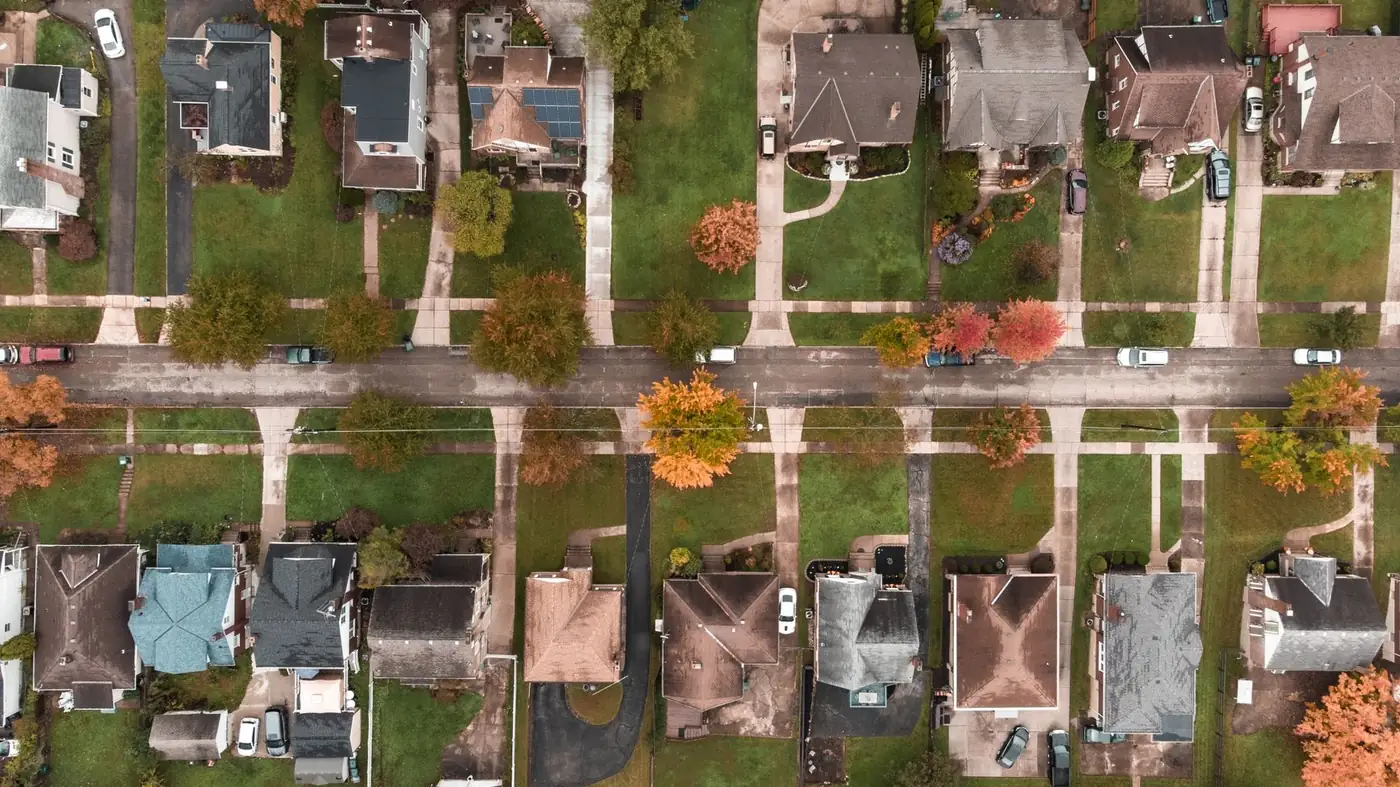
Overhead view of an Ohio residential street lined with autumn trees
Ohio homes sat a median of 44 days on market in August 2026.

Two Ohios, and they behave differently

Columbus and its ring of suburbs in Franklin and Delaware counties are among the fastest-growing markets in the Midwest, with genuine competition for well-kept homes. Cincinnati's exurbs in Warren and Clermont have seen similar appreciation. In those markets a listing is often the right answer, and we can usually tell you so.

The other Ohio is different. Youngstown and the Mahoning Valley, Canton, Dayton's older neighborhoods and Cleveland's inner-ring suburbs carry a lot of pre-1970 housing that financed buyers cannot easily get a loan on. Cuyahoga County consistently ranks among Ohio's highest for foreclosure filings. In those markets condition, not price, is usually what decides whether a house sells at all.

Statewide, the median sale price was $274,855 in August 2026, up 4.1% on the year, with 44,393 homes on the market and about one listing in five taking a price cut. Figures are as of the date shown and worth rechecking before you rely on them.

Selling Just Over the Ohio Line?

Plenty of Ohio sellers own a second property, an inherited house or a former rental across a border, and the rules change the moment you cross it. Ohio runs foreclosures through the courts. Michigan does not. We evaluate property in all of these.

Michigan

Toledo sits on the line, and Michigan runs foreclosures by advertisement rather than through the courts. See Detroit.

Indiana

Judicial like Ohio, with its own timetable. See Indianapolis or Fort Wayne.

Kentucky

Just over the river from Cincinnati. See Covington or Louisville.

Pennsylvania

East of Youngstown, with a different closing custom. See Pittsburgh or Erie.

What Sellers Say About Working With Us

Jairo RodriguezRated 5 out of 5
I had an inherited house in Westerville, OH that needed major repairs. Eagle Cash Buyers gave me a fair cash offer the same day I called and we closed in just 12 days, as-is with zero realtor commissions. Oren's team handled everything and kept me in the loop the whole time.
Jana OdellRated 5 out of 5
Eagle Cash Buyers were the best company that I have worked with. The process took about 6 weeks and was closed. Everything was upfront and I was told what was being done every step of the way. This company is highly recommended.

One of these describes a closing faster than our normal range. We move as fast as the title work allows, but most transactions close in roughly 21 to 42 days.

4.5 from 40 reviews on Google · read them all

2019

Founded, and headquartered in Columbus, Ohio.

1,000+

Transactions since 2019 across a 43-state footprint. Coverage does not mean every property qualifies.

A+

Eagle Cash Buyers, LLC is BBB Accredited with an A+ rating. Accreditation is not an endorsement. See the profile.

Ready to See What an Ohio Cash Sale Looks Like?

Sold as-is. No agent commission. Most transactions close in roughly 21 to 42 days.

Get My Free Cash Offer

Or call us: (833) 330-1625

Ohio Home Selling Questions, Answered Straight

Real answers about Ohio law, timelines and how the process actually works here.

How fast can you close on an Ohio home?

Most Eagle transactions close in roughly 21 to 42 days. The timeline depends on title readiness, liens, mortgage payoffs, the property review and the closing provider, and those are almost always the limiting factors rather than anything either side is doing slowly. Faster is sometimes possible when the title is clean and there is nothing to untangle, but it is an exception rather than something to plan around. If you have a hard date, tell us early and we will say honestly whether it is realistic.

How quickly can I get an offer?

During business hours an initial no-obligation offer is often possible within minutes to a few hours once we have enough information about the property. Some houses need research, photographs or a walkthrough before we can put a number in writing. We would rather take an extra day and give you a figure we can actually perform on.

How does Ohio foreclosure work, and can a cash sale stop it before the sheriff sale?

Ohio forecloses through the courts. Your lender files a complaint, and once you are served you generally have 28 days to file an answer, which is the deadline that matters most. A sale that closes and pays off the mortgage before the sheriff sale ends the case, but only if it closes in time and the proceeds cover what is owed. We cannot promise to stop a foreclosure or protect your credit, because that depends on your lender, the timing and whether a closing actually happens. The laws section on this page has the detail. If you have been served, call us at (833) 330-1625 and speak to an Ohio attorney or a HUD-approved housing counselor as well.

Is there a redemption period after an Ohio sheriff sale?

Not a fixed one. You may redeem at any time before the court confirms the sale, by paying the full judgment plus costs and interest, and once the court confirms the sale that right is gone. Because the confirmation date varies, do not treat the window as a guaranteed number of days. The laws section on this page has the detail.

My house sold at a sheriff sale for more than I owed. Can I get the difference?

Often yes, and a lot of people never claim it. If proceeds remain after the foreclosure judgment, court costs, taxes and other valid liens are paid, the remaining surplus generally belongs to the former owner. The clerk pays it on demand, though you may first have to cover the cost of the notice. Make sure the clerk has your current address.

Do I have to fill out the Ohio Residential Property Disclosure Form if I sell as-is for cash?

In an ordinary sale, yes. Ohio requires most sellers of residential property with one to four dwelling units to complete the form and give it to the buyer as soon as practicable, and selling as-is or for cash does not remove that duty. The statute does exempt a long list of transfers though, and several are common here: a transfer ordered by a probate court during administration of an estate, a transfer by a fiduciary administering an estate or trust, a foreclosure sale or deed in lieu, one co-owner to another, a transfer to a spouse or lineal relative, a transfer between spouses under a divorce decree, and a seller who has not lived in the property within the year before the transfer and acquired it by inheritance. That last one covers a great many heirs selling a parent's house. Whether your sale is exempt is a question for your attorney.

What is the Ohio conveyance fee and who pays it?

Ohio charges a state conveyance fee of $1.00 for every $1,000 of value, written in the statute as ten cents per hundred dollars. A county may add a permissive real property transfer tax of up to 30 cents per $100, which is $3.00 per $1,000, set by resolution of the county commissioners. Where a county levies the maximum the combined figure is about 0.4 per cent of the price. Not every county levies the full amount, so your county auditor has the exact figure. The statute says the tax is levied upon the grantor and paid by the grantor, which means the seller, unless the purchase contract shifts it.

Do I need an attorney to sell my house in Ohio?

We close through a licensed Ohio title agency, which confirms clear title, coordinates the payoff of your existing mortgage, prepares the deed for recording with the county recorder and disburses your proceeds. You are free to have your own attorney review the agreement at any point, and on a tangled title or an estate it is often worth it. We would rather you did than not.

What if I inherited an Ohio property and it is still in probate?

Ohio real estate titled solely in a deceased owner's name generally has to pass through the probate court of the county where the property sits before it can be sold, unless it was held jointly, in a trust or under another non-probate structure. An executor or administrator is appointed and normally signs the deed, and depending on the estate the court may need to approve the sale. We work with executors and probate attorneys across Ohio and can write an offer that fits the court's timetable. It takes longer, but it is manageable. We are not attorneys and this is not legal advice.

Can I sell a tenant-occupied rental in Ohio?

Often yes. We buy rentals as-is and can frequently evaluate one with the tenant still in place, which is usually the sticking point on the open market because financed buyers want vacant and move-in ready. Bring us the lease and we will tell you what is workable, including whether the tenancy carries over or needs handling before closing.

Who pays closing costs, and is there anything left for me to pay?

Eagle pays the closing costs, except your share of any transfer tax, and there is no agent commission on a direct sale to us. You do not pay us a fee. What still comes from your side of the settlement is your mortgage payoff, prorated property taxes, the Ohio conveyance fee, and anything else attached to the title such as judgment liens, delinquent taxes or HOA balances. Those are seller obligations rather than closing costs and they are not interchangeable. The title report and the written agreement set out exactly what applies to your property.

Will Eagle always purchase the property directly?

Not necessarily. Eagle may purchase the property itself or, if the purchase agreement permits, assign its contractual rights to another investor or purchasing entity. The written agreement explains the rights and obligations that apply. What matters is that the structure is disclosed to you, the agreed terms are honored and the buyer is positioned to actually perform.

How do you calculate the cash offer on an Ohio home?

We look at the location, the current condition and what comparable homes in the same Ohio market have sold for recently. Then we factor in what the repairs or updates will cost, the carrying costs while we hold or rehab the property, and the transaction costs we are covering. We will show you the math if you want it. We do not try to win a contract by quoting the highest number and reducing it later, because an offer we cannot perform on is worth nothing to you.

My Ohio home needs a lot of work. Will you still make an offer?

In most cases, yes. Ohio's older cities carry a great deal of pre-1970 housing, and aging roofs, older mechanical systems, foundation movement and deferred maintenance are the situations we buy in. You do not need to fix anything or clean the property out first. We do still inspect the house, and if the review turns up something material we did not know about, we will explain it and tell you whether the transaction can proceed as agreed, needs restructuring or cannot close.

Can I back out after accepting a cash offer?

The purchase agreement specifies the contingencies and cancellation terms, and we keep our contracts straightforward. If your situation changes before closing, talk to us directly. We would rather work through it than hold someone to a deal that no longer makes sense for them.

Oren Sofrin

Reviewed by Oren Sofrin, Founder and CEO of Eagle Cash Buyers

Oren has more than ten years in real estate, and he and the Eagle team have completed over 1,000 transactions. His market commentary has been quoted by MSN, Yahoo Finance, GOBankingRates and BiggerPockets. Last reviewed October 2026.

See How We Calculate Your Ohio Cash Offer

Get My Cash Offer →